GPT-5.5, Gemini 3.5 and Claude Opus 4.8: the AI model race accelerates as big tech pours billions into infrastructure
The leading AI labs traded new benchmark records this month even as Microsoft, NVIDIA and JPMorgan signalled that artificial intelligence has graduated from experiment to core infrastructure.
Rajan Mehta
Writer ·
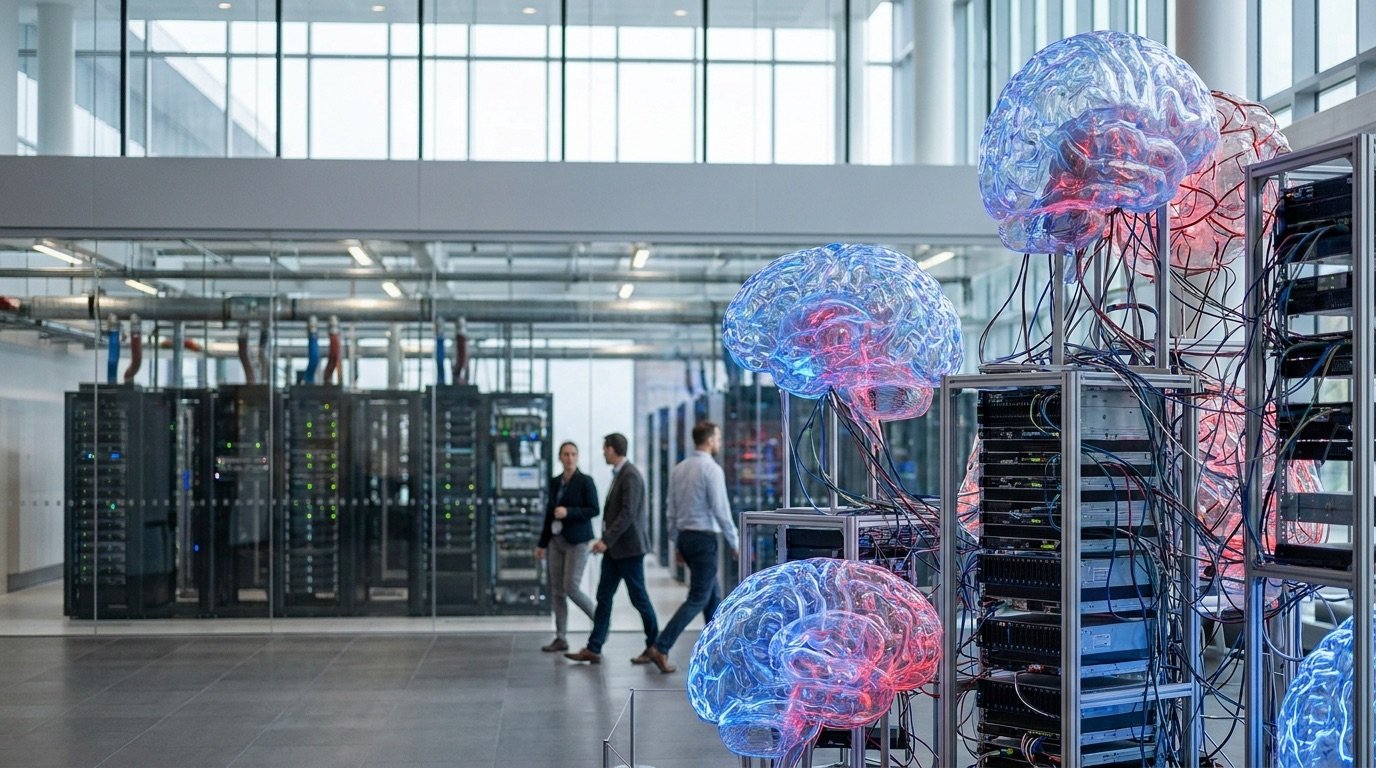
The frontier of artificial intelligence rarely sits still, but June 2026 has been unusually busy. The three leading labs have each pushed out faster, sharper models, with OpenAI's GPT-5.5 Instant, Google's Gemini 3.5 Flash and Anthropic's Claude Opus 4.8 trading new performance benchmarks and edging the field forward yet again.
Behind the model announcements lies a more consequential shift in how the rest of the corporate world treats this technology. The defining theme of the month was not any single launch but the scale of money and commitment now flowing into AI infrastructure, as some of the largest companies on Earth reclassified it from a speculative bet into the foundation of how they intend to operate.
Together, the two trends tell a coherent story. The models are getting good enough, and cheap enough to run, that AI is moving out of the chat window and into the plumbing of research, coding, customer support, legal work, payments and commerce.
The labs trade benchmark crowns
The latest releases reflect a notable change in emphasis. Where earlier generations chased raw capability, this round is increasingly about speed and cost. Names like GPT-5.5 Instant and Gemini 3.5 Flash signal a focus on lightweight, responsive models that can be deployed cheaply at enormous scale rather than reserved for one-off heavy queries.
Google also widened the creative toolkit, making its Imagen image models more broadly available, including a capability to use video files as prompts to generate context-aware images. The broader direction across all three labs is the same: from chat toward task completion, with assistants that can actually carry out multi-step work rather than merely answer questions.
“The race has quietly shifted from who has the smartest model to who can run a very good model fast and cheap enough to embed it everywhere. That is a different kind of competition, and it favours whoever controls the infrastructure.”
— an industry analyst
Big tech commits at industrial scale
The infrastructure side of the story was where the truly large numbers appeared. NVIDIA and the memory maker SK hynix announced a multiyear partnership to co-develop next-generation memory aligned with NVIDIA's AI hardware roadmap, a sign of how tightly the AI supply chain is now being coordinated.
Microsoft, meanwhile, announced a four-year, $10 billion investment in Japan spanning 2026 to 2029, expanding AI data-centre capacity in partnership with SoftBank and Sakura Internet. The geographic spread matters: building capacity outside the United States reflects both surging demand and the geopolitics of where AI compute is allowed to live.
- OpenAI's GPT-5.5 Instant, Google's Gemini 3.5 Flash and Anthropic's Claude Opus 4.8 setting new benchmarks
- Google's Imagen models expanded, including using video as a prompt for image generation
- NVIDIA and SK hynix partnering on next-generation AI memory
- Microsoft committing $10 billion to AI data centres in Japan from 2026 to 2029
- JPMorgan Chase reclassifying AI as core infrastructure with a roughly $19.8 billion 2026 technology budget
Perhaps the clearest signal of AI's mainstreaming came from finance. JPMorgan Chase formally reclassified its AI investments from experimental research and development into core infrastructure, backing the shift with a 2026 technology budget of roughly $19.8 billion and some 2,000 staff dedicated to AI development. When a conservative global bank treats AI as plumbing rather than a science project, the experiment phase is effectively over.
“Reclassifying AI from R&D to core infrastructure is more than an accounting change. It is a statement that the technology is now load-bearing for the business, and that there is no going back.”
— a researcher
Background
The modern AI boom began in earnest with the arrival of capable large language models earlier this decade, triggering an arms race among OpenAI, Google and Anthropic and an enormous build-out of the specialised chips and data centres needed to train and run them. The current phase is defined less by spectacular demos and more by the unglamorous work of making the technology cheap, fast and reliable enough for everyday business use.
What happens next: the immediate battleground is deployment, getting fast, affordable models embedded into real workflows where they can complete tasks rather than just chat. The constraints are increasingly physical, namely chips, memory, energy and data-centre capacity, which is why the partnerships and multibillion-dollar commitments announced this month may ultimately matter more than the benchmark scores. The labs are racing on capability, but the war is being fought over infrastructure.
Sources: reporting by Crescendo AI.
The NE Times is an independent news and analysis publisher. Our articles combine factual reporting with clearly-written, impartial analysis. Content is for general information and does not constitute professional advice. Disclaimer.
You may also like to read
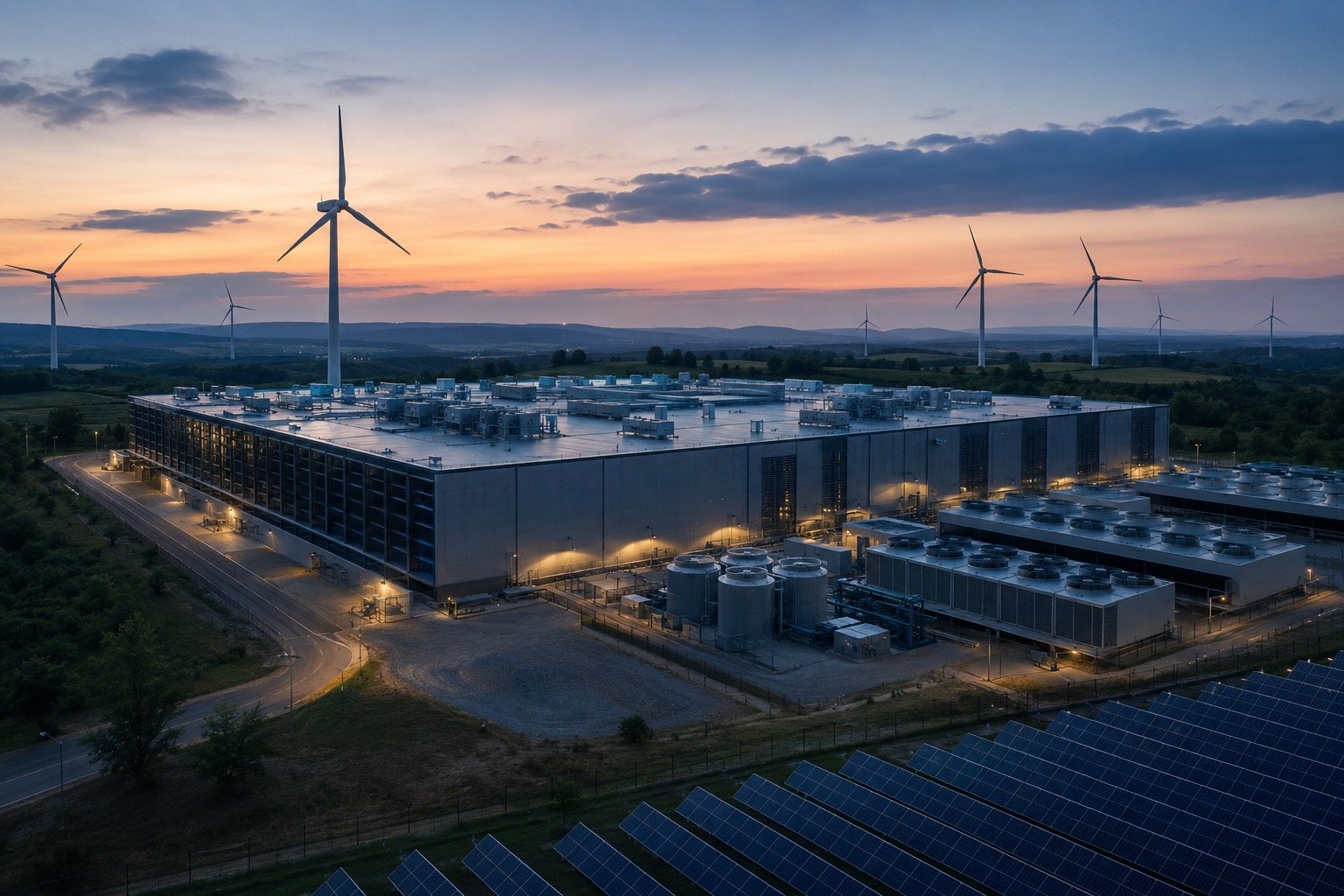
UN presses AI companies to disclose environmental impact and go renewable by 2030
Secretary-general Antonio Guterres calls on artificial intelligence firms to reveal data-centre energy and water use, putting AI's climate footprint under fresh scrutiny.

Forty mayors sign data centre pact — and turn AI infrastructure into a city problem
A C40-linked pact signed during London Climate Action Week gives city halls a formal voice on where AI data centres are built, powered and cooled.

Google PriceRunner ruling raises the stakes for search antitrust
A Stockholm court ordered Google to pay about 250 million dollars to PriceRunner, giving a familiar competition argument a concrete price and a new legal precedent.

RAISE US launches with $500m to retrain workers for the AI economy
A bipartisan nonprofit founded by Gina Raimondo and Eric Holcomb plans to work with states and employers on education and retraining.