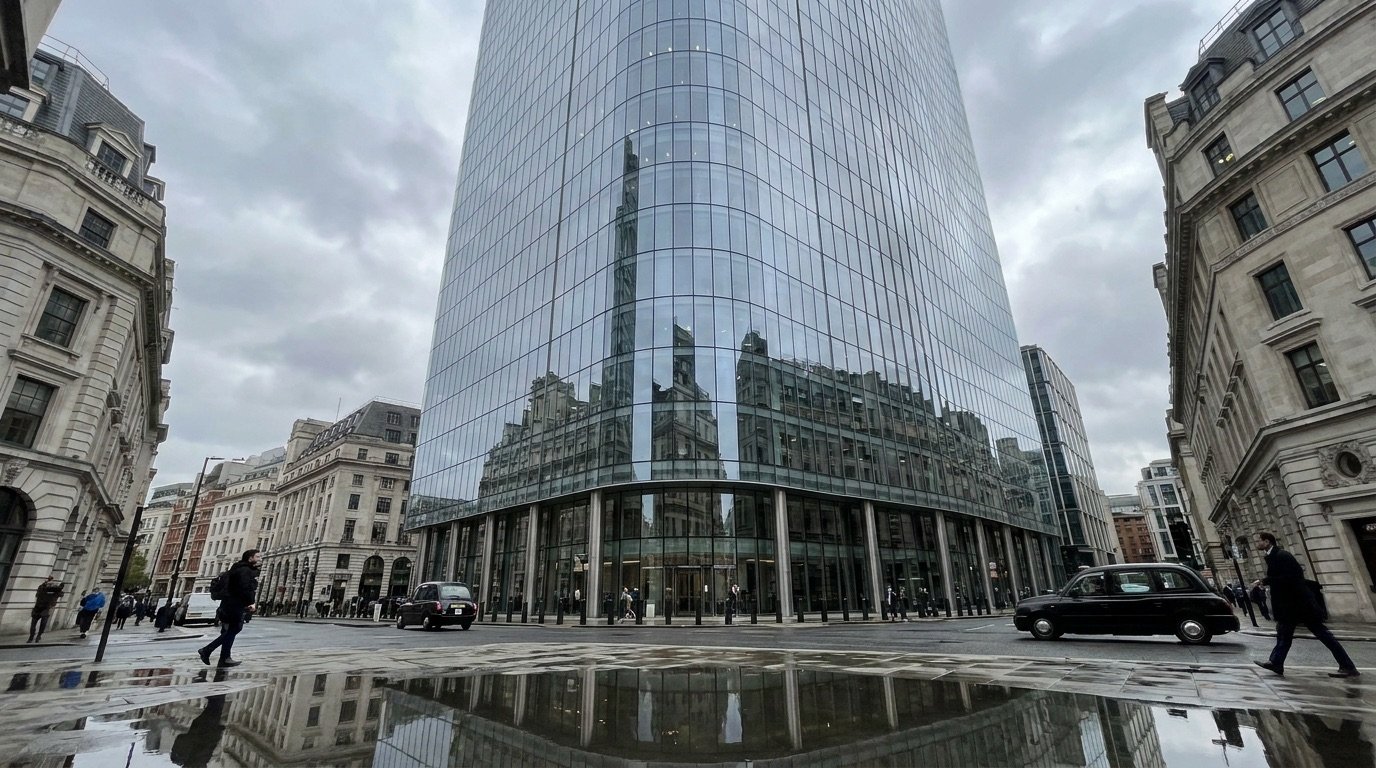
The FTSE 100 smashed through 10,000 points for the first time in January and has spent the year setting fresh records, yet many ordinary investors and pension savers are only dimly aware that British shares are having their best run in a generation.
Economists are virtually unanimous that the Monetary Policy Committee will leave borrowing costs unchanged on Thursday, with a Middle East oil-price spike forcing rate-setters into a holding pattern just as households had begun to hope for relief.
Youth unemployment has climbed to 14.7%, its highest level in more than a decade, as the broader labour market loses momentum and payrolled employment falls. Economists warn that a generation risks being scarred by a downturn that has crept up almost unnoticed.
The Scottish fashion chain is closing its remaining stores by the end of June after a second collapse into administration in under a year, with around 500 jobs lost and other names following it off the high street.
Halifax says the typical home now costs just under £299,000 with annual growth of 0.5%, but the headline masks a stark split between a buoyant north and a weakening south.
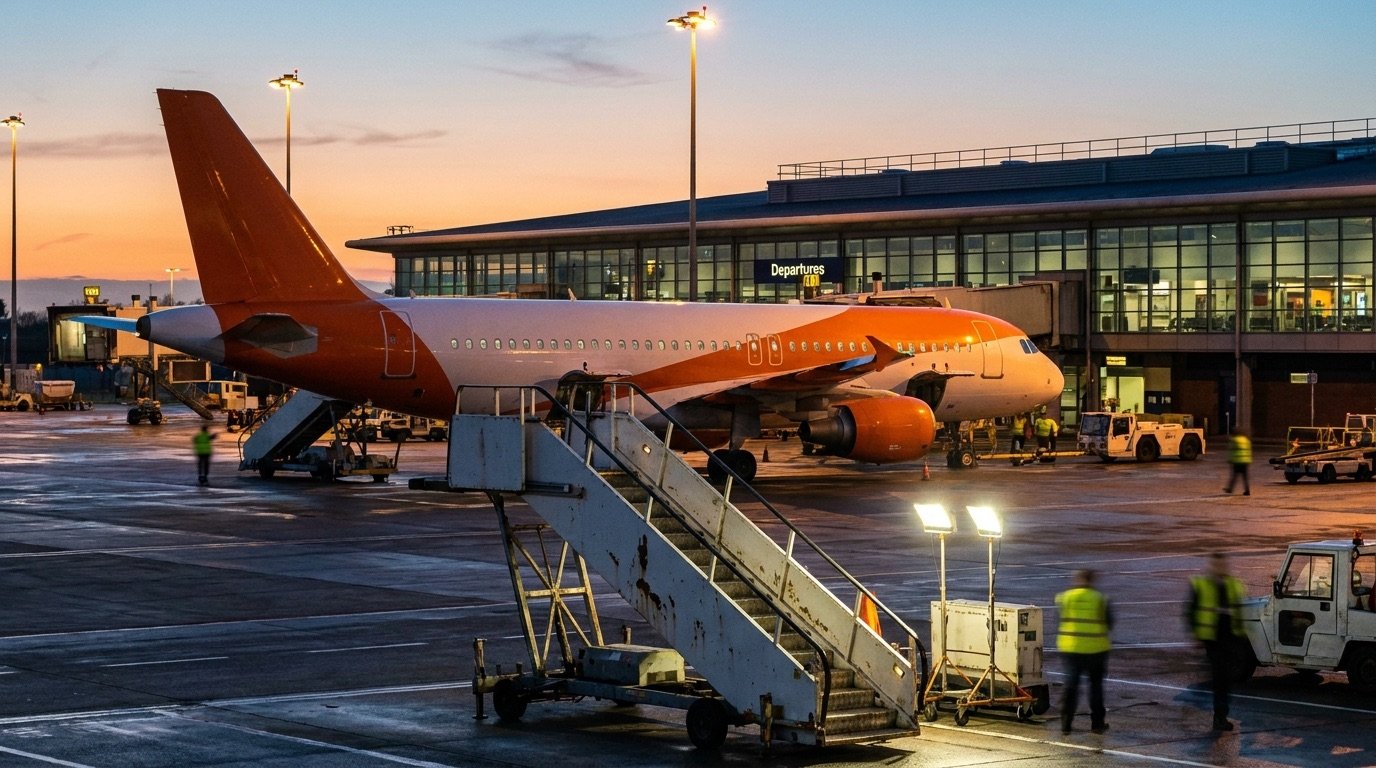
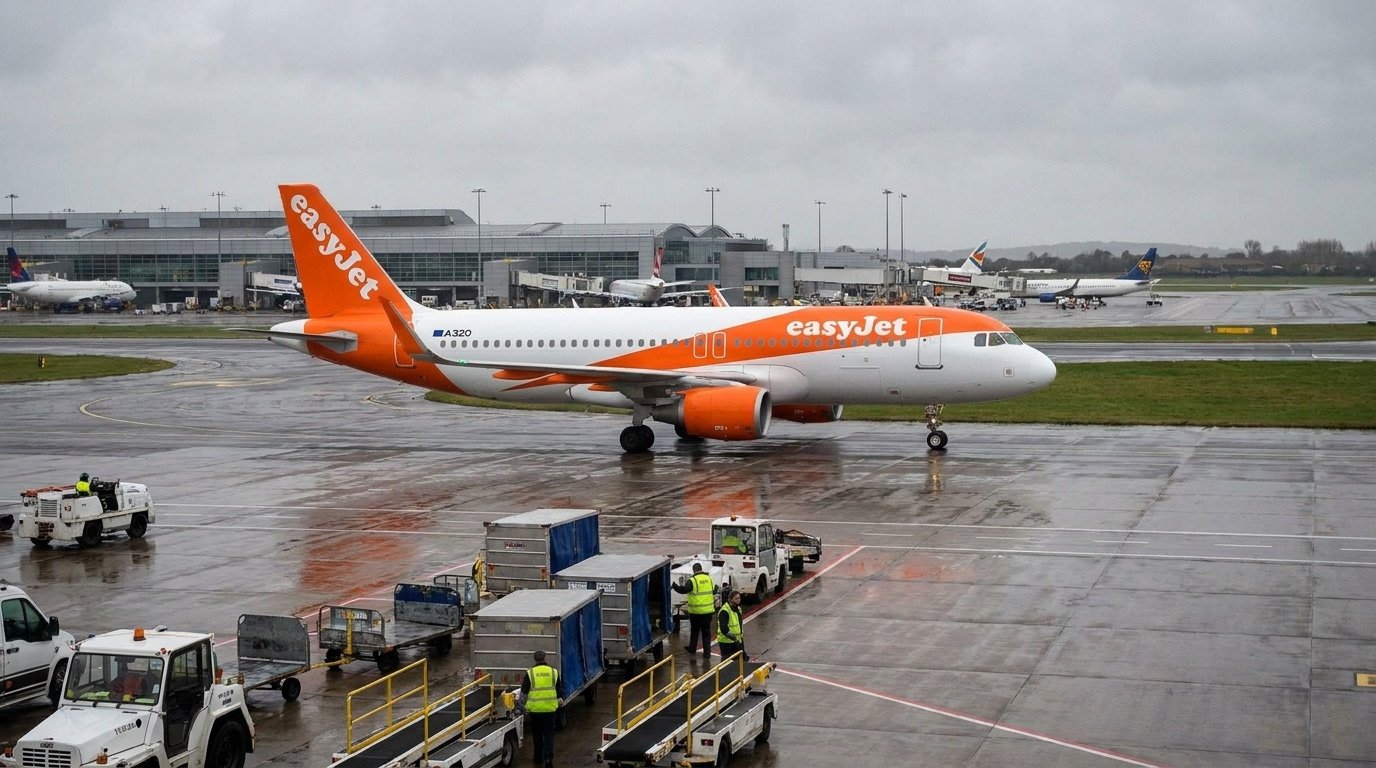
The budget airline has rebuffed early-stage approach talk from the US investment firm, with a Takeover Code deadline of 26 June forcing Castlelake to bid or back off.
The agreed takeover of one of the City's grandest names by America's Nuveen has become the defining symbol of a 2026 bid frenzy, as overseas predators and private equity hunt out the UK's persistently undervalued listed companies.
The Swedish private equity group's indicative £60-a-share offer for the testing giant is the latest in a takeover wave that has put more than £22bn of UK companies in play this year.
Multi-billion-pound pledges and fresh fintech deals dominated this year's gathering, but founders warn Britain is still playing catch-up on the scale of capital its AI sector needs.
The Monetary Policy Committee is widely expected to keep Bank Rate unchanged on 18 June, balancing softer inflation against the threat of higher energy costs from Middle East tensions.
Official figures show output fell 0.1% in April, the first monthly decline since last summer, with businesses blaming disruption from the conflict in the Middle East.
A conflict in the Middle East has sent crude prices soaring, lifting petrol prices, threatening higher household energy bills from July and reviving the cost-of-living squeeze just as Britain thought the worst was behind it.
The British retail empire behind Sports Direct has made a cash offer to buy out the German fashion house, capping years of stake-building in the brand.
NatWest, Barclays, Santander and others have trimmed fixed deals in a fresh wave of reductions, offering relief to borrowers even as the housing market cools.
One in seven young people are now looking for work, with the youth jobless rate climbing to 14.7 per cent and vacancies falling to their lowest level since 2021.
A distribution pact bringing Spotify Studios and Ringer video shows to Netflix marks the clearest sign yet that the podcast and television businesses are converging.
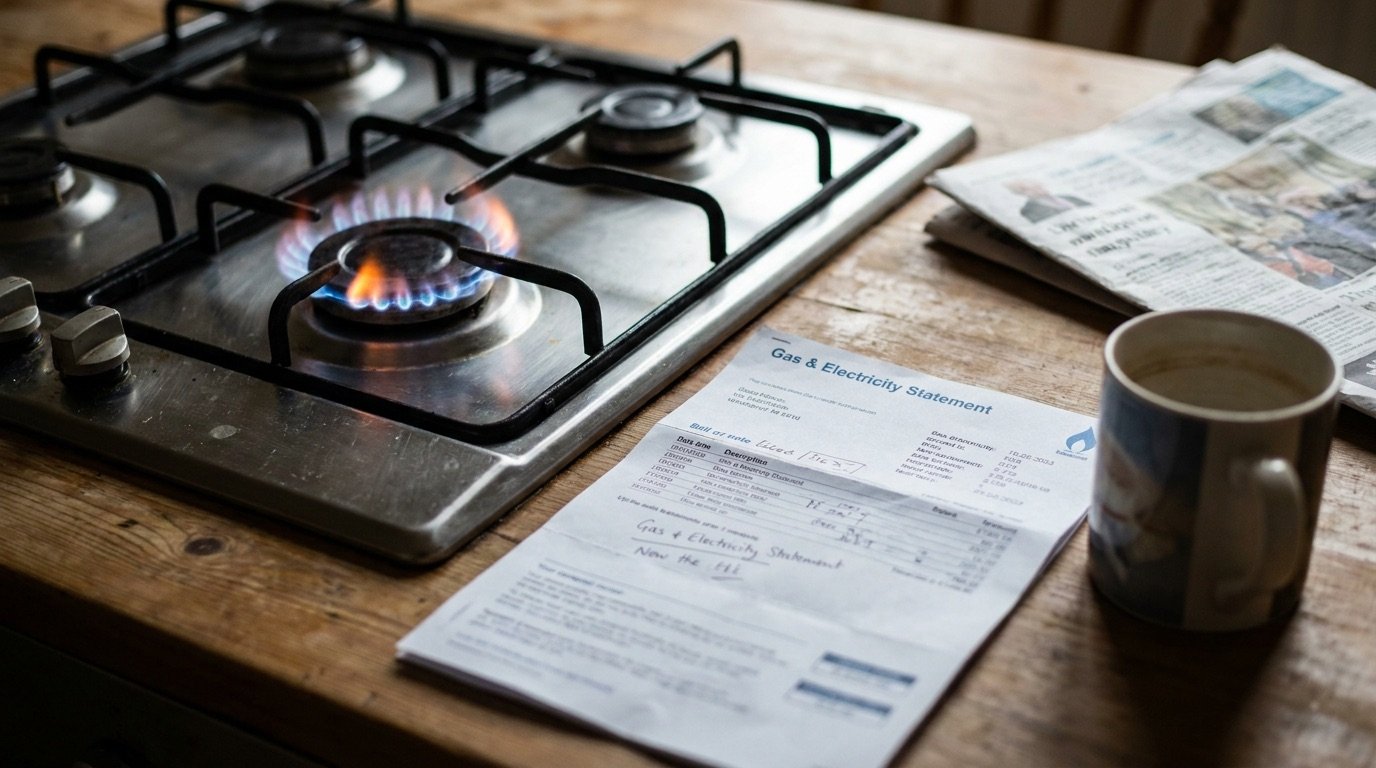
The regulator has blamed higher wholesale gas prices, driven by the conflict in the Middle East, for an unwelcome £221 rise in the typical annual household bill.
The British pharmaceutical group has agreed to buy US biotech Nuvalent for $10.6 billion, doubling down on cancer treatment as it races to replace revenue from its blockbuster HIV franchise before patents expire.
The consultancy expects the economy to expand by just 0.8 per cent this year, warning that disruption to energy markets from the Iran conflict could push up inflation and weigh on output.
The closely watched Report on Jobs shows employers leaning on temporary staff while delaying permanent appointments amid an uncertain economic backdrop.
London's blue-chip index closed marginally higher at the start of June, shrugging off a sharp slide on US technology shares thanks to strength in banks and miners.
The motor industry body expects production to climb back towards 800,000 units this year, helped by new electric models and a multi-billion-pound investment drive.
The first quarterly results under chief executive Josh D'Amaro showed direct-to-consumer operating income up 88 per cent, with the company guiding to accelerating growth in the second half.
The employers' group says firms are being treated as a cash tap and cannot drive growth while shouldering record tax costs, led by higher employer National Insurance.
The IT reseller blamed delayed corporate spending and changes to Microsoft's enterprise programme as it cautioned that first-half profit would fall short.