Sir Keir Starmer has agreed with European Council President Antonio Costa to hold a second UK-EU summit in Brussels on 22 July, with a youth mobility scheme expected to be among the headline outcomes.
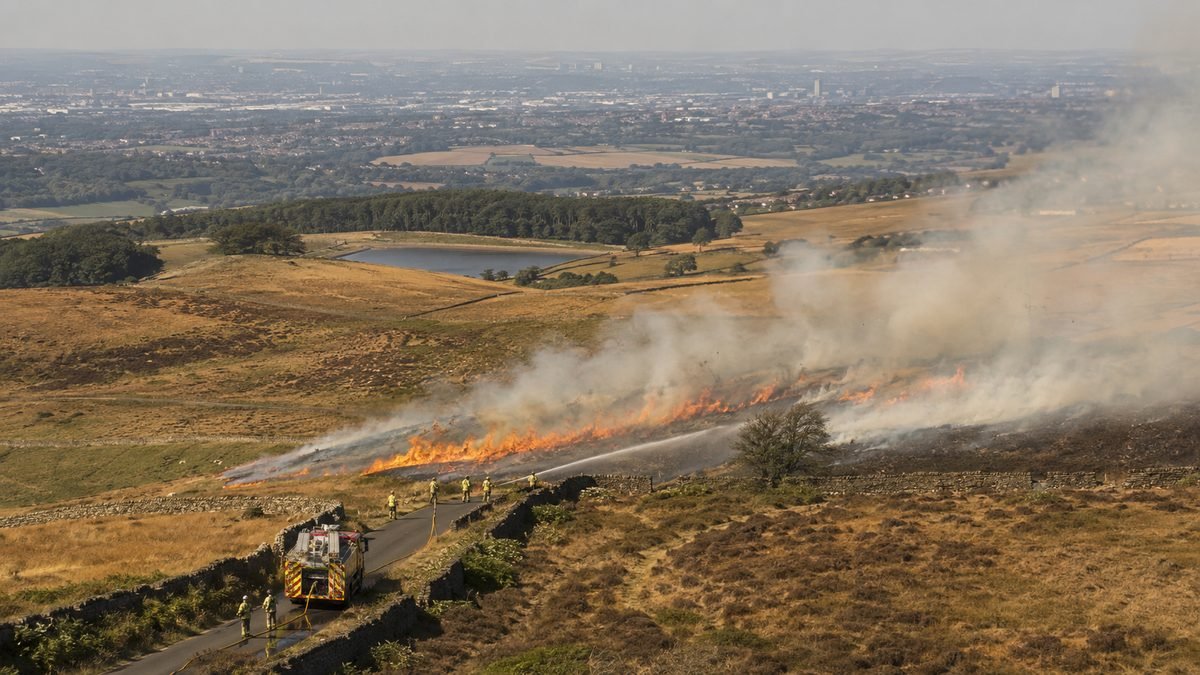
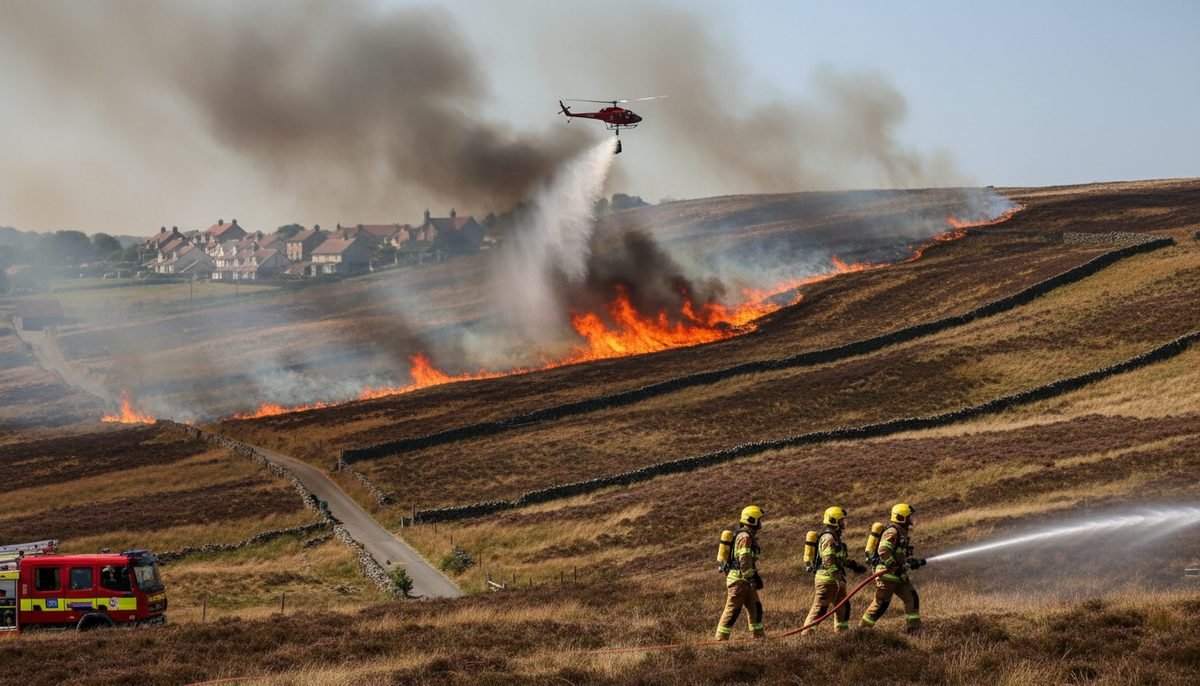
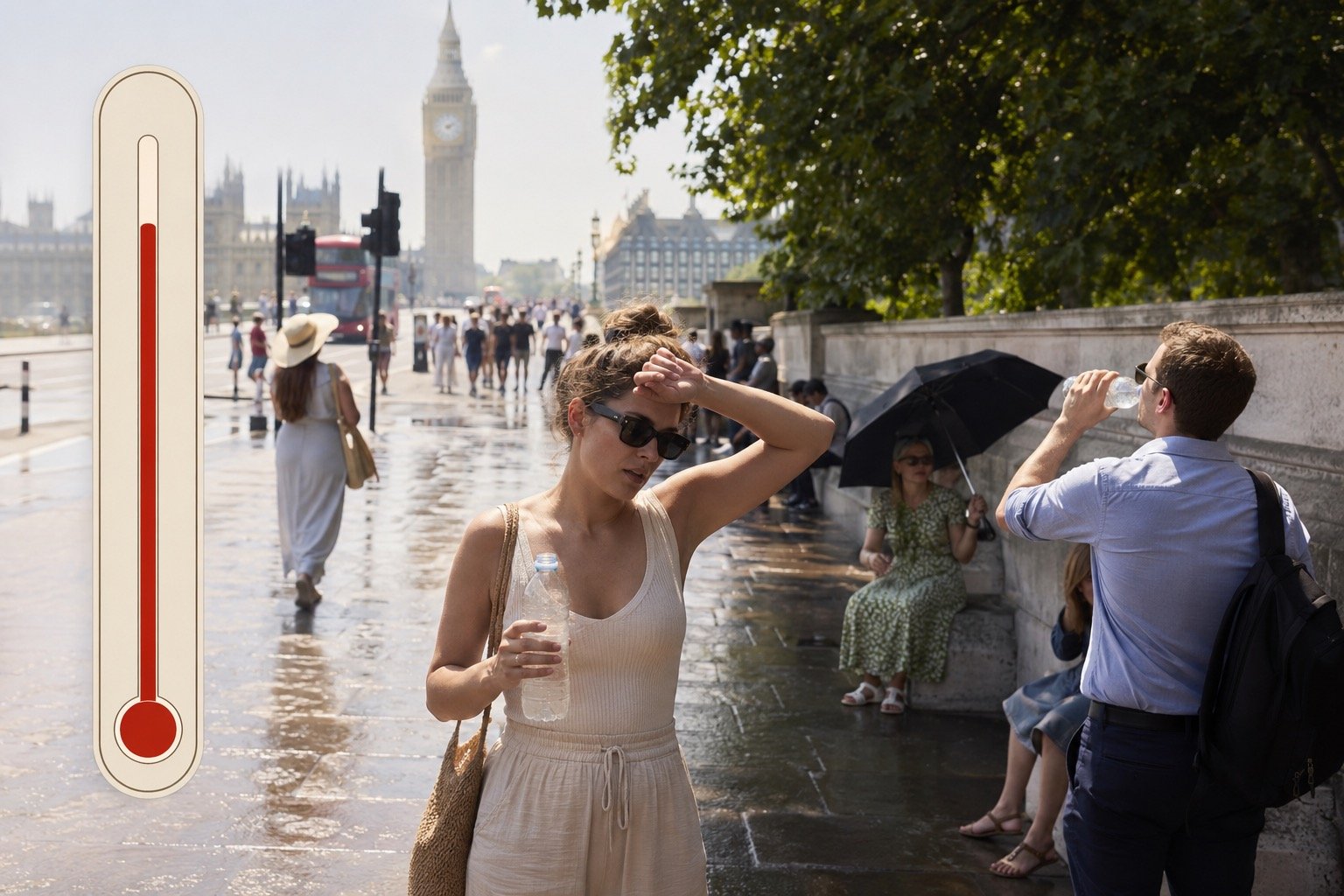
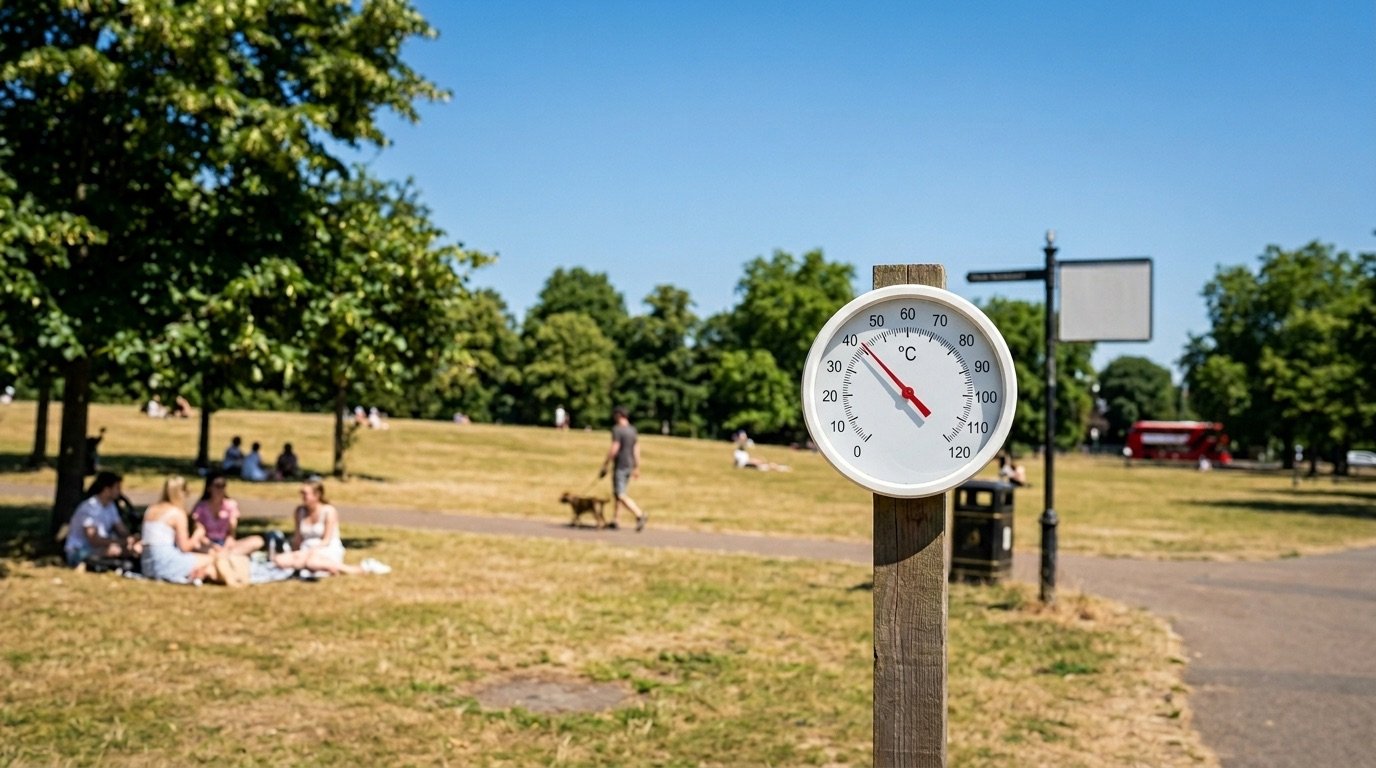
Health officials have issued amber alerts for much of England as a fresh heatwave brings temperatures of up to 30C, with fire services warning of wildfire risk and the chance of sudden thunderstorms.
The Bank of England's Monetary Policy Committee is widely expected to keep interest rates at 3.75% on 18 June, with energy-driven inflation risks dividing the panel and dampening hopes of cuts later this year.
After a record-breaking May, forecasters warn of another surge of warm air pushing into southern Britain, with temperatures expected to climb into the low thirties before a sharp drop later in the week.
Planned strikes by resident doctors in England have been suspended after a last-minute government offer including an average 6.6% pay rise and thousands of new training places, which will now go to a membership referendum.
The Health and Social Care Secretary has set out plans to accelerate the digitisation of the NHS, telling the ConfedExpo conference that the service cannot manage its way out of pressure but must reform through technology.
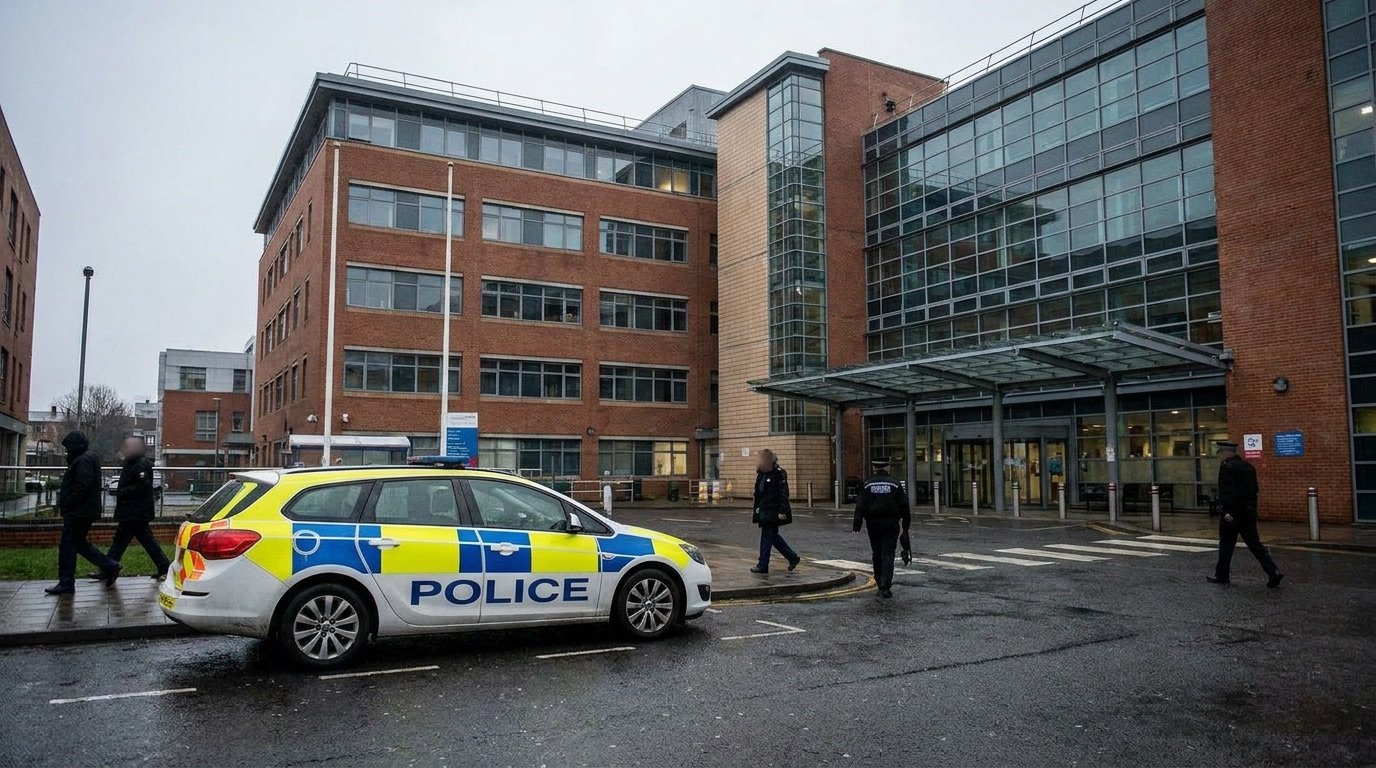
Several nights of violence that left families homeless and dozens of officers injured have prompted soul-searching across Northern Ireland, with politicians condemning attacks that spread from Belfast to other towns.
The monarch travelled by carriage once again for the annual parade as the Royal Family appeared in coordinating uniforms and outfits on Horse Guards Parade.
London Underground services faced disruption after RMT members walked out over Transport for London's proposed four-day working week, with the union citing fatigue and safety fears and no lasting agreement yet reached.
Members of the British Medical Association are set to walk out from 15 to 19 June after talks over pay restoration failed to produce an improved offer.
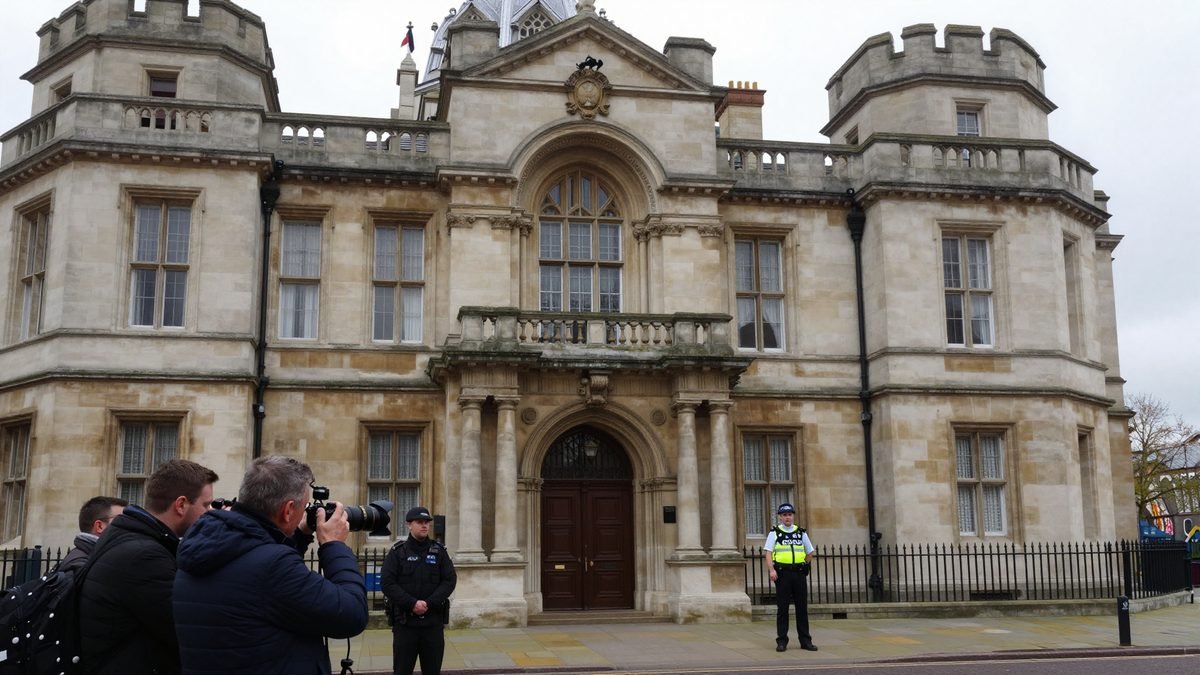
The Crime and Policing Act 2026 comes into force on 29 June, introducing one of the most significant changes to UK corporate criminal liability in decades alongside new powers for police.
John Healey resigned as Defence Secretary on 11 June, warning that the government's spending plan would leave Britain less safe, with armed forces minister Al Carns walking out hours later.
NHS England has announced that eligible men with early prostate cancer will be offered SABR, a targeted treatment that cuts the number of sessions from at least 20 to five.
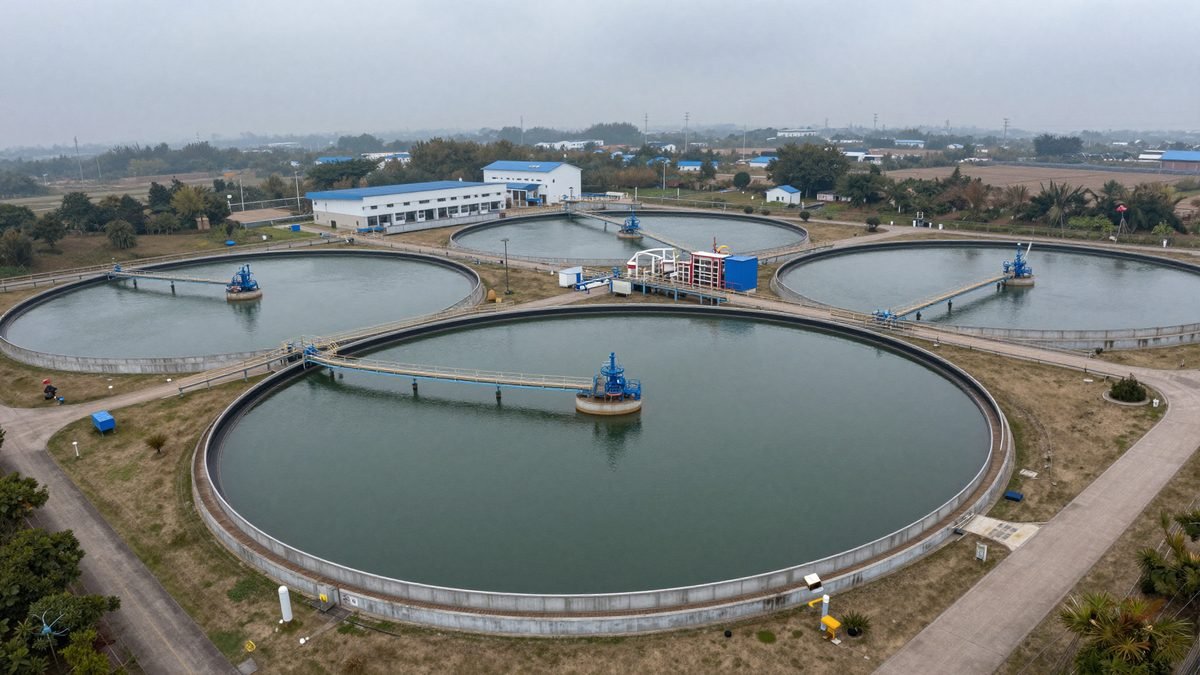
The typical water and wastewater bill in England and Wales is climbing again in 2026-27, with regulators and companies clashing over whether the increases are fixing a fragile system or punishing customers.
Average bills in England and Wales are set to climb by around £33 in 2026-27, a smaller rise than last year but one that comes amid continued anger over sewage spills.
From April 2026 a new crisis and resilience fund replaces the long-running Household Support Fund, offering essentials and cash payments of up to £300 to struggling households.
A surprise monthly drop reported by Nationwide has confirmed a cooling property market, with prices sliding in the south while northern regions and the devolved nations continue to climb.
Head teachers say behaviour and concentration have improved since phone-free school days became the norm, though unions caution the real test is consistent enforcement.
London Underground was thrown into chaos at the start of June as RMT members staged two strikes over a compressed working week, with Tube usage falling sharply on the worst-hit days.
The murder of 18-year-old Henry Nowak has reignited a charged debate over policing after body-worn footage showed officers handcuffing the dying teenager.
Official figures show around 36,000 people arrived by small boat in the year to May 2026, down 13 per cent, as net migration drops close to pre-pandemic levels.
A six-month trial of permanent live facial recognition cameras on Croydon High Street produced 173 arrests, but civil-liberties campaigners remain uneasy about the spread of the technology.
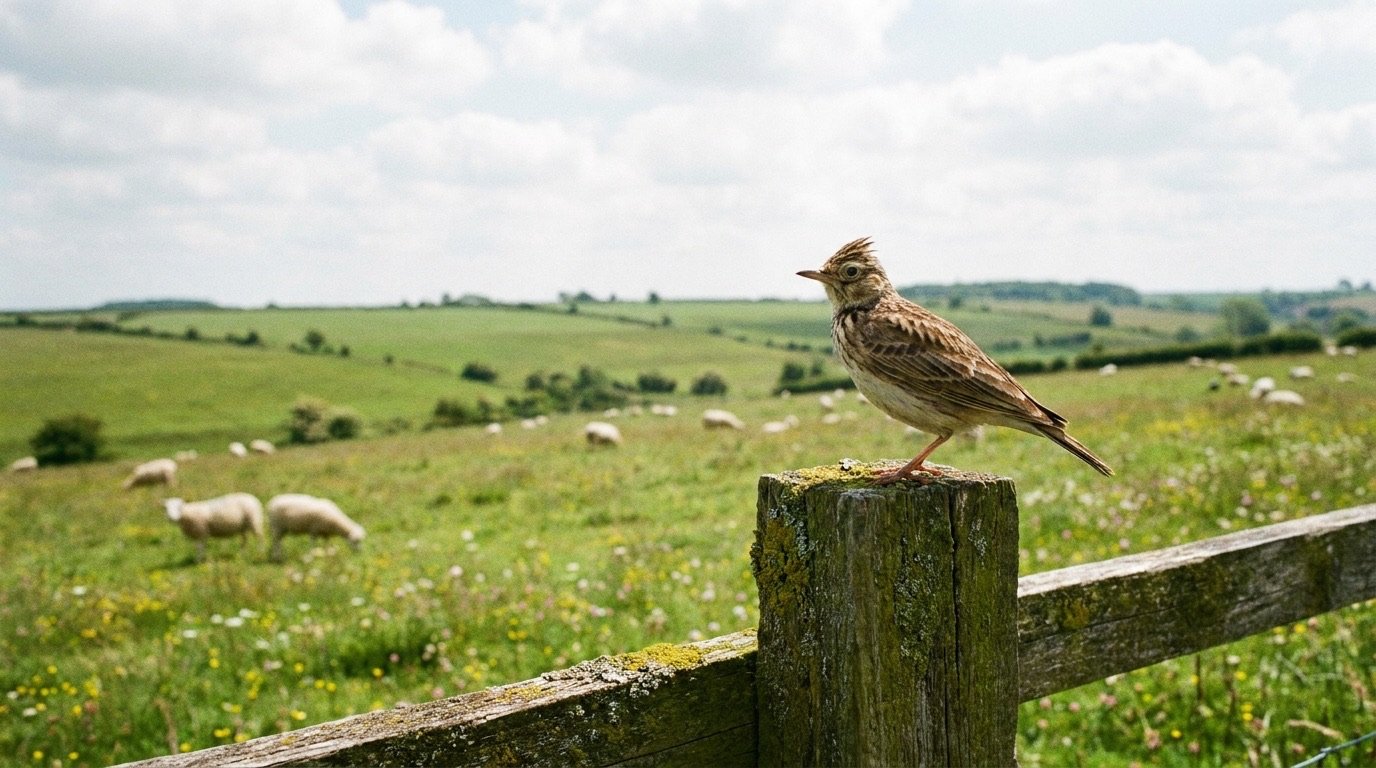
Wildflower meadows, wetlands and native woodlands are set to be created across national parks and national landscapes under a new three-year scheme delivered with farmers.