Colombia braces for a polarising runoff as Cepeda and de la Espriella battle for the presidency
A leftist heir to Gustavo Petro faces a self-styled hardline outsider in a 21 June second round that could reset Bogotá's ties with Washington and its approach to security.
Marcus Reeve
Writer ·
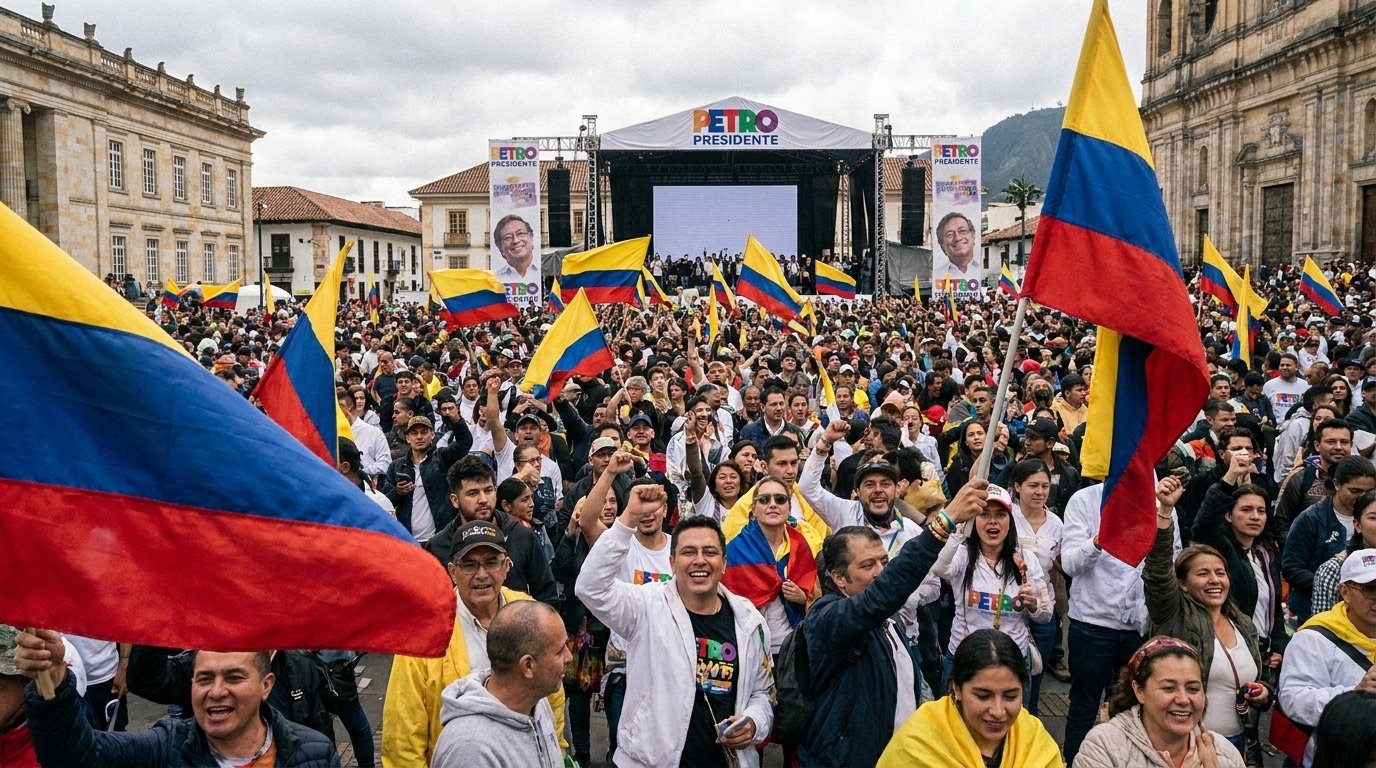
Colombia is heading into one of the most polarised presidential contests in its recent democratic history, with leftist lawmaker Iván Cepeda set to face the combative, self-styled outsider Abelardo de la Espriella in a runoff on 21 June. The two men emerged from a crowded first round on 31 May at opposite ends of the political spectrum, leaving voters to choose between continuity with the outgoing administration of President Gustavo Petro and a sharp rightward turn promising mano dura security policies.
De la Espriella, a flamboyant lawyer who has cultivated a hardline image and openly admires Donald Trump and El Salvador's Nayib Bukele, finished first with 43.7% of the vote. Cepeda, a veteran human-rights campaigner and senator who casts himself as the candidate of social continuity, took 40.9%. The result stunned pollsters who had expected the conservative establishment to perform far better, and it scrambled the traditional right after candidate Paloma Valencia trailed with under 7%.
The narrow gap means the second round is genuinely open, and both campaigns are now scrambling for the support of voters whose preferred candidates were eliminated. With Colombia's relationship with the United States, its anti-narcotics strategy and the future of Petro's social agenda all on the ballot, the outcome carries weight well beyond the country's borders.
Two visions of Colombia
The candidates offer starkly different prospectuses. De la Espriella has built his campaign around security, pledging an iron-fisted crackdown on armed groups and organised crime, the construction of high-security megaprisons and a tougher line on the drug trade. He has leaned into his outsider status, portraying himself as a break from a discredited political class rather than a creature of the old conservative machine.
Cepeda, by contrast, frames the election as a chance to consolidate the social and economic shifts begun under Petro, Colombia's first leftist president. He emphasises development for long-neglected coastal and border regions, the continuation of land and health reforms, and a negotiated approach to the country's lingering internal conflicts. Where de la Espriella speaks of order, Cepeda speaks of inclusion.
Analysts say the contest has crystallised a deeper divide in Colombian society between those who see Petro's term as a long-overdue correction and those who view it as a costly experiment in need of reversal. The runoff effectively asks voters to render a verdict on that record.
“He succeeded by portraying himself and the people he represents as the outsiders against a political class that has governed for generations.”
— Miguel Silva, Colombian political analyst
What is at stake for Washington
The runoff could redefine Colombia's relationship with the United States, historically its closest partner in the region. De la Espriella has signalled a warmer posture towards Washington and a return to a more confrontational counter-narcotics strategy, a stance likely to appeal to a US administration that has clashed repeatedly with Petro over coca eradication and migration.
Cepeda, meanwhile, would be expected to continue Petro's more independent foreign policy, including efforts to rethink the decades-old, US-backed war on drugs that critics say has failed to curb either supply or violence. The choice between the two carries direct implications for cooperation on security, trade and the management of regional migration flows.
- First round (31 May): de la Espriella 43.7%, Cepeda 40.9%, Valencia under 7%
- Runoff scheduled for 21 June 2026 between the top two finishers
- De la Espriella: hardline security, megaprisons, closer ties to Washington
- Cepeda: continuity with Petro's social agenda, independent foreign policy
- Outcome seen as a referendum on the Petro presidency
A bruising and contested campaign
The first round was marked by sharp rhetoric and, in its aftermath, by claims and counter-claims. Cepeda's camp initially questioned aspects of the count before acknowledging there was no evidence of fraud, while de la Espriella's supporters celebrated a result they cast as a popular rebuke of the establishment. Both sides now face the task of broadening their appeal without alienating their core bases.
Turnout and the behaviour of undecided and centrist voters are expected to be decisive. Many Colombians remain wary of both polarisation and the prospect of either an unbroken continuation of the current course or a dramatic swing in the opposite direction.
Background
Colombia emerged from more than half a century of internal armed conflict with the 2016 peace accord between the government and the FARC rebels, but violence involving smaller armed groups and drug-trafficking networks has persisted. Petro's 2022 election as the country's first leftist president marked a historic shift, and his single four-year term — Colombian presidents cannot immediately seek re-election — has been defined by ambitious but contested reforms.
The 2026 race forms part of a wider cycle of Latin American elections being watched for signs of whether the region's recent leftward drift is reversing. Colombia's result, alongside contests elsewhere in the Americas, will help answer that question.
What happens next
Both campaigns will spend the final stretch courting the roughly one in six voters who backed eliminated candidates, with the conservative bloc's choices likely to prove pivotal. The winner on 21 June will inherit a country grappling with insecurity, fiscal pressures and deep political division, and will immediately face decisions on drug policy and relations with Washington. Whichever way Colombians vote, the result will reverberate across a region still defining its political direction.
Sources: reporting by Al Jazeera.
The NE Times is an independent news and analysis publisher. Our articles combine factual reporting with clearly-written, impartial analysis. Content is for general information and does not constitute professional advice. Disclaimer.
You may also like to read
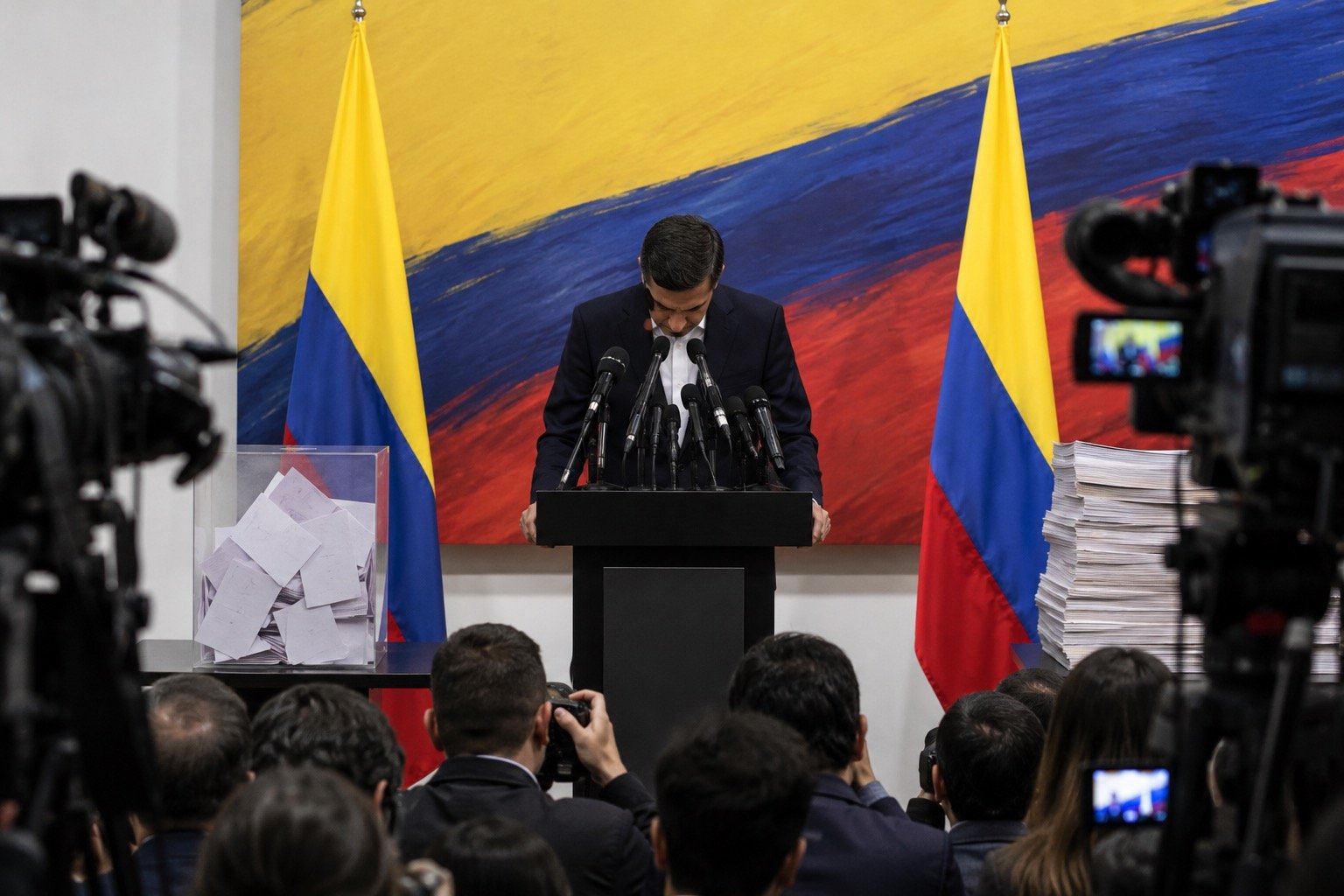
Colombia's progressive candidate concedes presidential election
Ivan Cepeda concedes to Trump-endorsed outsider Abelardo de la Espriella after a runoff signalling a sharp political shift.
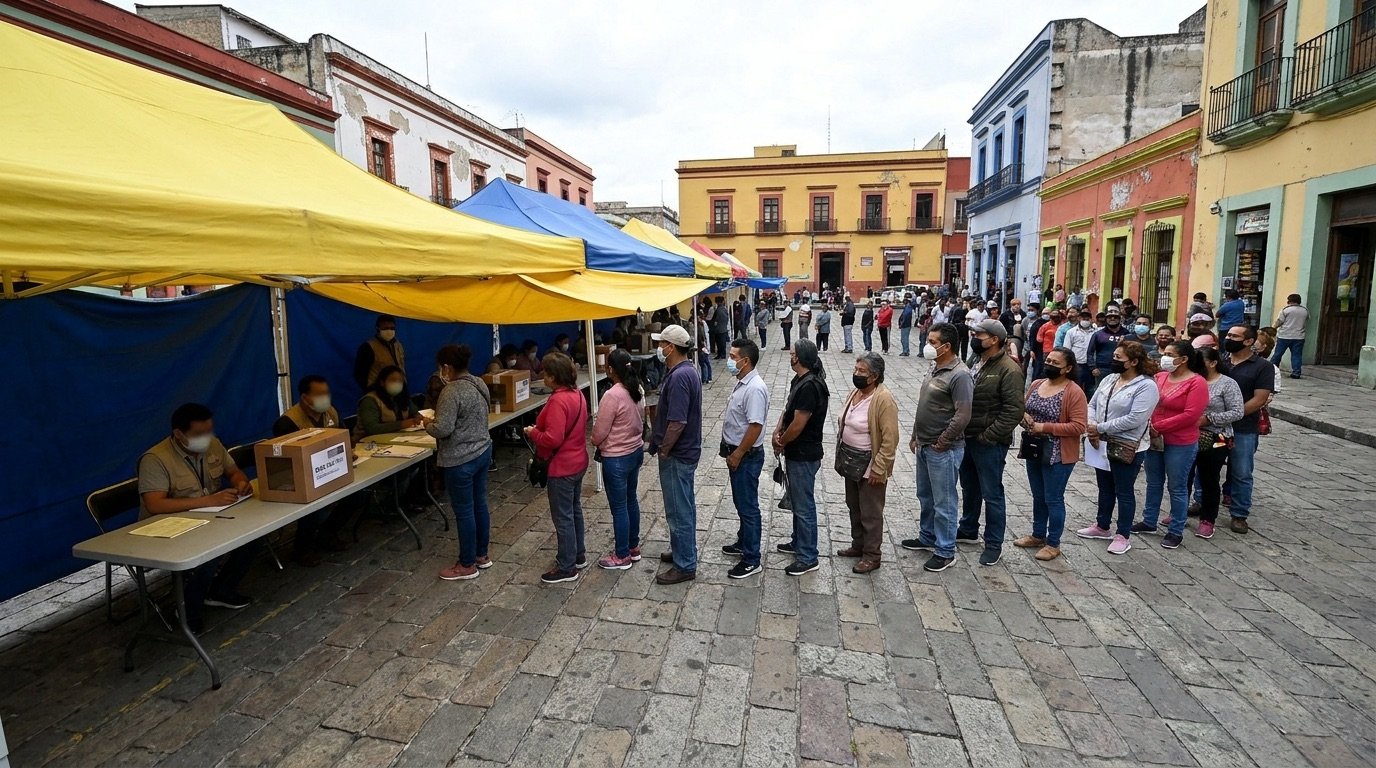
Colombia Election Result Signals Sharp Rightward Turn
Far-right lawyer Abelardo de la Espriella has emerged narrowly ahead in Colombia's presidential runoff, a result his leftwing rival has vowed to challenge in the courts.
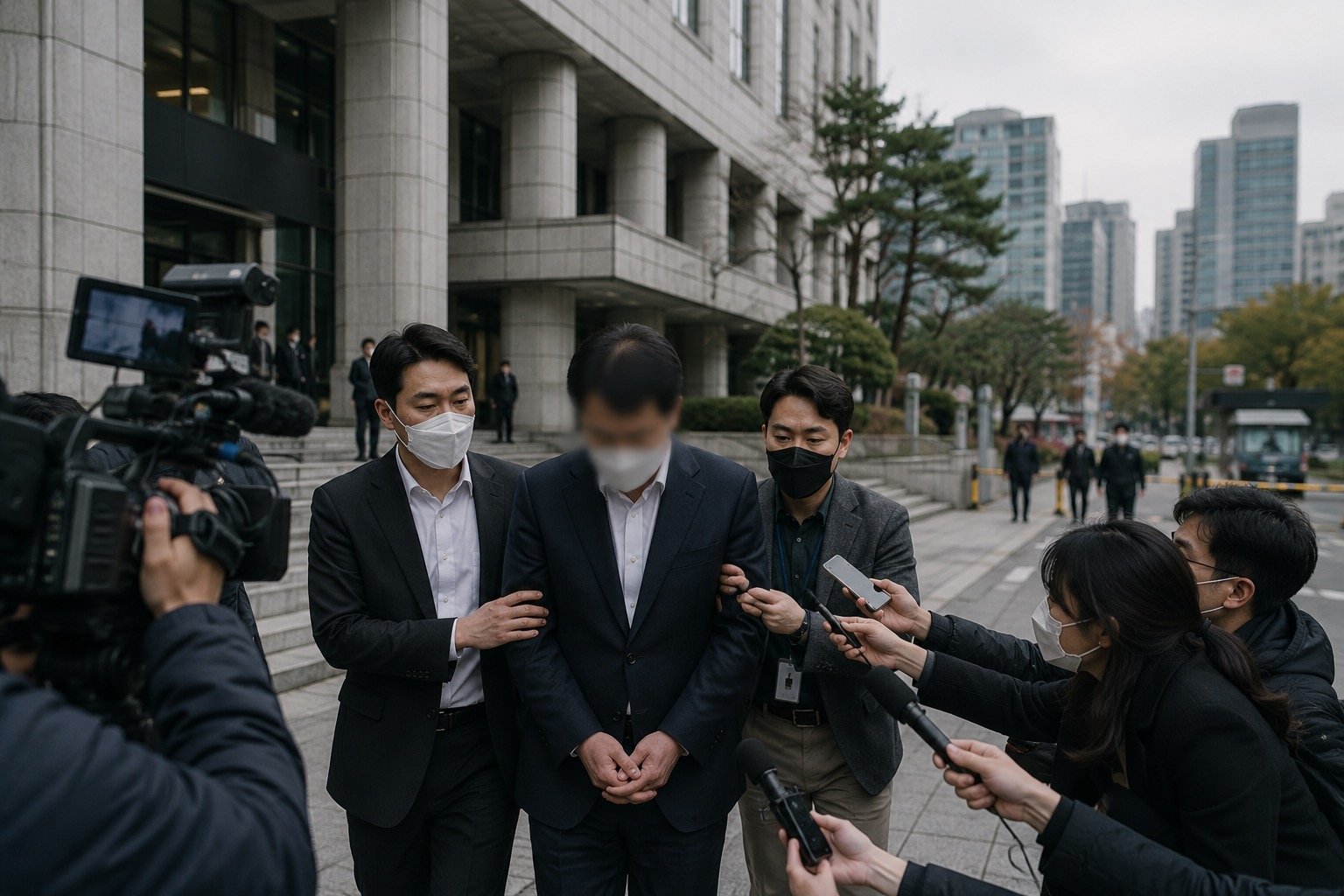
Shincheonji Church Leader Lee Man-hee Arrested in South Korea Election Probe
The 95-year-old founder was detained as authorities investigate claims that followers were recruited into a political party to sway elections.
Bolivia Reopens Roads Under Emergency Powers as Patrol Plane Crash Kills Six
President Rodrigo Paz's state of emergency has eased crippling blockades, but a fatal air force crash and unresolved tensions in Evo Morales's heartland keep the country on edge.