Europe's record heatwave becomes a public-safety emergency as drownings mount and red alerts spread
Extreme temperatures across the continent have moved beyond a weather story into a wider safety crisis, with dozens of heat-related deaths, school closures and warnings that Britain could see record June heat.
Marcus Reeve
Writer ·

A punishing heatwave gripping much of Europe has hardened from a story about uncomfortable temperatures into a full public-safety emergency, with authorities across several countries issuing red alerts, shutting schools and warning the public that the heat itself is now killing people.
Among the most alarming consequences has been a sharp rise in drownings, with around 40 deaths reported in France as people sought relief in rivers, lakes and coastal waters that can be deceptively dangerous. The pattern illustrates how extreme heat creates a chain of secondary hazards that reach far beyond the simple discomfort of a hot afternoon.
Britain has not been spared the warnings, with forecasters suggesting the country could approach record June temperatures before the spell breaks. The result is a continent-wide test of how prepared modern societies are for heat that arrives earlier, lasts longer and bites harder than the historical norm.
Why the heat is so dangerous
The danger of a severe heatwave lies in its breadth. It is not only the headline temperature that matters but the cascade of risks that follows, from impulsive swimming in cold open water to strain on transport networks, energy grids and health services already operating close to capacity.
- Roughly 40 heat-related drownings have been reported in France during the current spell.
- Schools have closed and red alerts have been issued across several European countries.
- Britain faces the prospect of record June temperatures before conditions ease.
- Transport, energy demand and emergency services all come under added pressure during prolonged heat.
A test of preparedness
Public-health officials have repeatedly stressed that heatwaves are among the deadliest weather events precisely because their impact is diffuse and easy to underestimate. Vulnerable groups, including older people and those with existing conditions, are most at risk, but the surge in drownings shows how quickly otherwise healthy people can be caught out.
“Extreme heat is no longer an inconvenience to be endured. It is a hazard that demands the same seriousness we give to floods and storms.”
Background
Europe has experienced a run of increasingly intense summers, with climate scientists noting that heatwaves are becoming more frequent, more severe and arriving earlier in the calendar. Red warnings, once rare, have become a recurring feature of June and July across the Mediterranean and increasingly further north.
The combination of high daytime temperatures and warm nights, which give the body little chance to recover, makes prolonged hot spells particularly hazardous. Authorities now routinely couple weather warnings with public guidance on hydration, shade and the risks of open-water swimming.
What happens next: governments are expected to keep alert levels under constant review as the heat persists, while the toll already recorded is likely to sharpen debate over long-term adaptation, from cooler public spaces to clearer warnings about the hidden dangers of swimming during a heatwave.
Sources: reporting by The Guardian.
The NE Times is an independent news and analysis publisher. Our articles combine factual reporting with clearly-written, impartial analysis. Content is for general information and does not constitute professional advice. Disclaimer.
You may also like to read

What is a heat dome? The high-pressure system behind Europe's scorching spell
As temperatures climb well above seasonal norms across the continent, meteorologists point to a heat dome trapping hot air and straining health services, transport and energy networks.
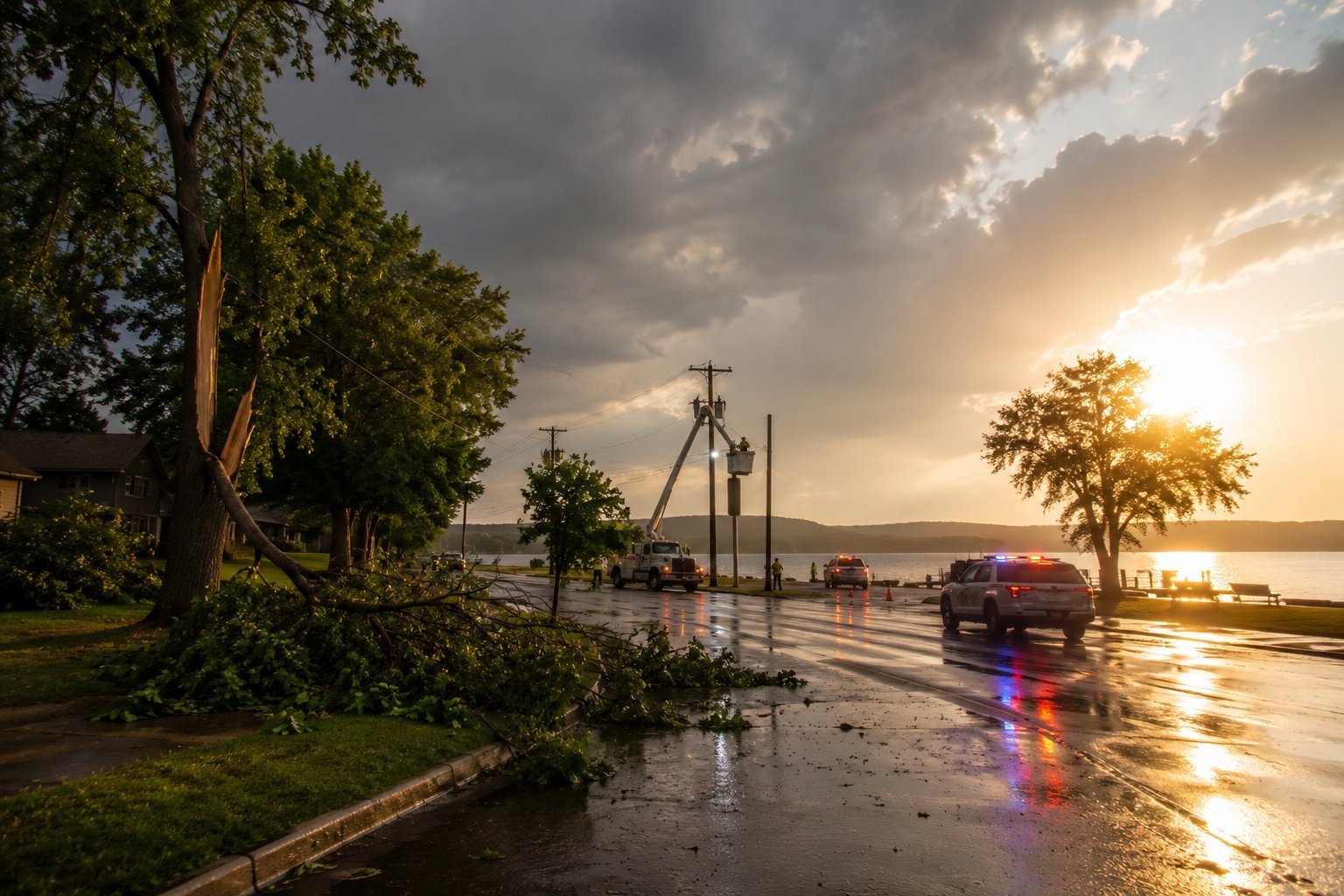
America's holiday weekend showed how summer risks now compound
Three children died when a storm capsized a boat on Geneva Lake, and nearly a million lost power as heat returned — a case study in overlapping summer hazards.

Europe heatwave smashes records as health and infrastructure buckle
Britain logs its hottest June day and France its hottest day on record, with temperatures near or above 40C triggering red alerts across western Europe.

Heat-health alert issued as second heatwave grips southern England
The UK Health Security Agency has warned of health risks across London, the South East and parts of eastern and central England as temperatures climb, with older and unwell people most at risk.