H5N1 Detection on Australian Mainland Forces WA Poultry Farms Into Lockdown
Poultry farms in Western Australia have entered lockdown after deadly H5N1 bird flu was found in wild birds on the Australian mainland, prompting the country's largest producer to act before the strain can reach commercial flocks.
Sophie Bennett
Writer ·
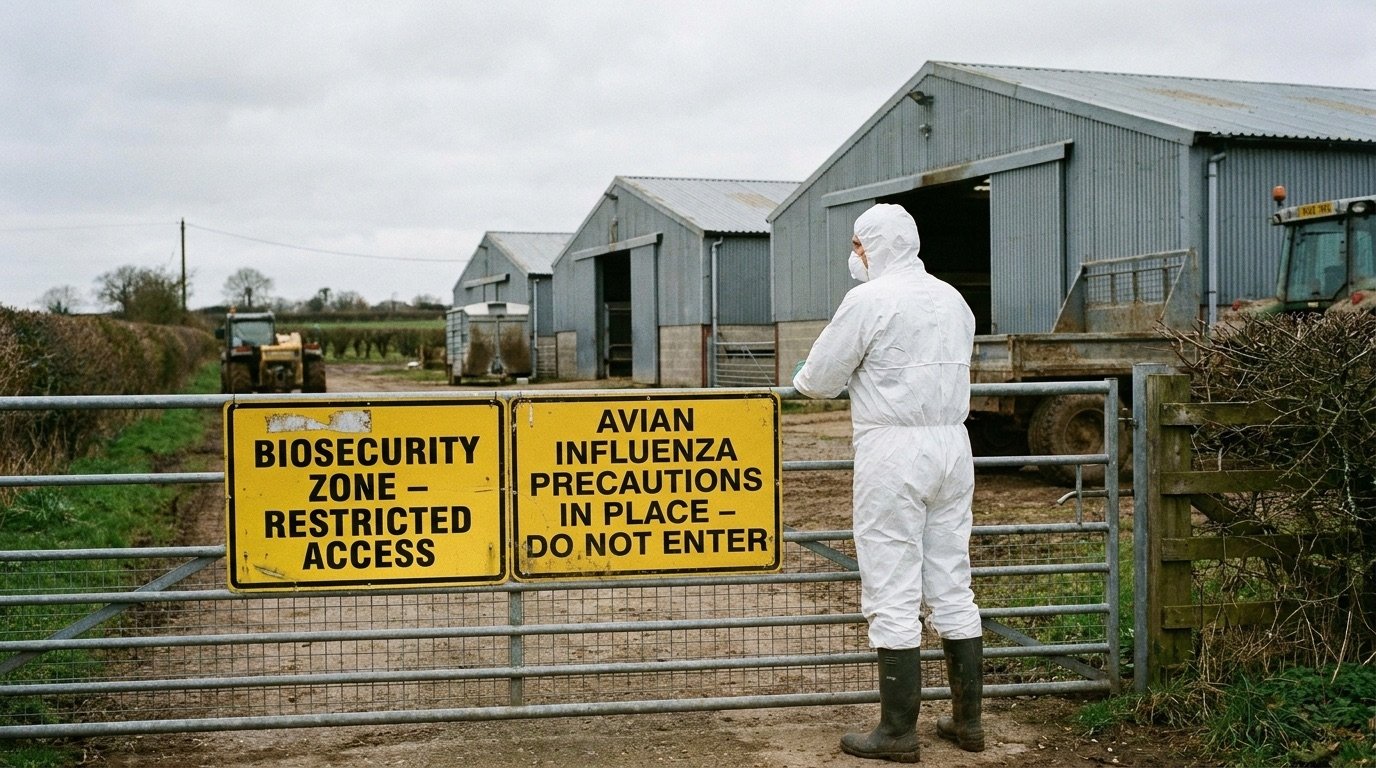
Poultry farms across Western Australia have moved into lockdown after deadly H5N1 bird flu was detected in wild birds on the Australian mainland. The measure marks a significant moment for a country that had, until now, kept the strain off its mainland.
The alert escalated after testing confirmed that a second wild bird was carrying the virus. In response, Ingham's Group, Australia's largest poultry producer, announced a complete lockdown in Western Australia, even though there had been no commercial detection at the time of the announcement.
A precaution rooted in risk
The decision to act ahead of any farm-level outbreak reflects the seriousness of H5N1. The virus can spread rapidly through bird populations and cause severe disruption to food supply chains, making early, decisive action the preferred defence.
Australia's previous success in avoiding the strain on the mainland only heightens the significance of the detection, turning it into a major biosecurity test for the country's surveillance and response systems.
What lockdown involves
The measures are designed to reduce contact between commercial poultry and wild birds, limit the risks posed by movement, and buy authorities time to monitor for any further spread. Producers are expected to respond with tighter controls across their operations.
In practice, that means a familiar set of defensive steps:
- Tightening hygiene protocols across sheds and equipment
- Restricting access to farms and flocks
- Watching closely for early signs of illness in birds
A challenge that crosses boundaries
The discovery also poses difficult questions for conservation and public health officials. Wild-bird detections are notoriously hard to contain, because migratory movement pays no heed to farm boundaries. That reality makes early surveillance and rapid reporting essential.
“For consumers, the immediate message from officials and industry is caution rather than panic.”
The overriding concern is preventing the virus from reaching commercial flocks. Should it do so, culling, supply disruption and price pressure could follow. Western Australia's strategy is therefore plainly defensive: act hard now, before H5N1 gains a foothold on the farms.
Sources: reporting by The Guardian.
The NE Times is an independent news and analysis publisher. Our articles combine factual reporting with clearly-written, impartial analysis. Content is for general information and does not constitute professional advice. Disclaimer.
You may also like to read

H5N1 bird flu turns Australian biosecurity into a household question
H5N1 has reached the Australian mainland, prompting warnings for pet owners even as experts stress the immediate risk to common household pets remains low.

France's heatwave death surge turns climate adaptation into a public health test
Deaths rose 29.1% — 2,025 excess deaths — in France's record June heatwave week, exposing how homes, health systems and cities fail in extreme heat.

Rising child drownings turn summer water safety into a public health priority
Child drowning deaths have climbed since the pandemic, and doctors say the lesson travels: prevention depends on layers of protection, not one glance.

Hospitals Keep Improvising Through Heatwaves — the Plan Has to Come First
Europe's latest extreme heat shows health systems built for an older climate cannot keep writing heatwave plans after the wards are already hot.