Harvey Weinstein sentenced to 15 years in New York criminal sexual act case
A New York judge sentenced the former Miramax head over a first-degree criminal sexual act against former production assistant Miriam Haley.
Culture & Features Editor ·
Why it's trending
"Harvey Weinstein" is among the day's fastest-rising UK searches after a New York judge handed down a 15-year sentence.
Harvey Weinstein was sentenced to 15 years in prison by a New York judge on Wednesday 23 September 2026 for a first-degree criminal sexual act against Miriam Haley. The sentencing follows Weinstein's June 2025 conviction at a retrial and brings the latest New York proceedings in a legal process spanning more than six years to a close.
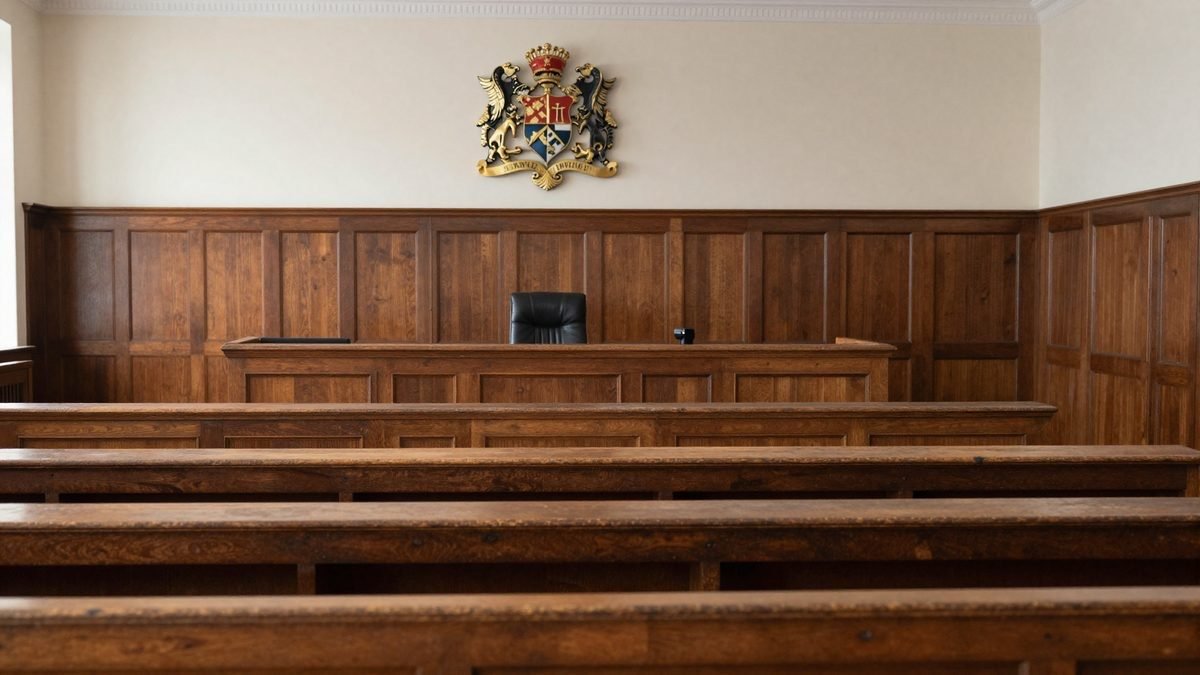
Weinstein, the former head of Miramax, appeared in the downtown Manhattan courtroom in a wheelchair, with his hands cuffed to his seat. The BBC and The Guardian were among the outlets reporting on the sentencing.
- Sentence: 15 years in prison.
- Charge: First-degree criminal sexual act against Miriam Haley.
- Retrial verdict: Weinstein was found guilty in June 2025.
- Earlier sentence: He received a 23-year sentence after his first conviction in 2020.
- Prosecution request: Prosecutors had sought a 20-year sentence.
- Next legal step: Weinstein faces resentencing in California.
Harvey Weinstein sentenced to 15 years: what the judge decided
The 15-year sentence relates to Weinstein's conviction for a first-degree criminal sexual act against Haley, a former production assistant on Project Runway. Haley testified that Weinstein forcibly performed oral sex on her at his New York City apartment in 2006.
A jury found Weinstein guilty of that charge at his retrial in June 2025. Prosecutors had asked for a 20-year sentence, while Weinstein's defence argued for a substantially shorter term and cited the time he had already served.
Variety and Deadline reported on the sentencing, which came after a lengthy sequence of proceedings in New York. Weinstein offered a limited apology in court but continued to deny the specific allegations against him.
The sentence is lower than the 23-year term imposed after Weinstein's first conviction in 2020. That earlier conviction did not ultimately stand, however, after New York's highest court intervened four years later and ordered a new trial.
What Miriam Haley said in her victim impact statement
Haley addressed the consequences of Weinstein's conduct in a victim impact statement that was read aloud in court. She said Weinstein had “abused his position and power” and that his actions had had a “devastating effect on my life and security”.
Her testimony was central to the first-degree criminal sexual act charge on which Weinstein was convicted at the 2025 retrial. Haley had described an incident at Weinstein's New York City apartment in 2006, when she said he forcibly performed oral sex on her.
Wednesday's sentencing therefore followed the jury's guilty verdict on the same allegation. NBC News and ABC News also reported on the court proceedings as Weinstein returned to a Manhattan courtroom for sentencing.
Why Harvey Weinstein faced a retrial in New York
The 2025 retrial became necessary after New York's highest court erased Weinstein's original conviction in 2024 and ordered that he be tried again. The court concluded that Weinstein had been prejudiced by testimony from other women whose allegations were not part of the case being tried.
That ruling overturned the result that had led to Weinstein's 2020 conviction and 23-year sentence. It did not end the New York prosecution: instead, it returned the case for a new trial, which produced the June 2025 guilty verdict on the first-degree criminal sexual act charge involving Haley.
The New York proceedings have consequently stretched across more than six years, moving from the first conviction and sentence through the 2024 ruling, the 2025 retrial and Wednesday's new sentence. The New York Times was also among the outlets covering the latest stage of the case.
Timeline of the Harvey Weinstein New York case
| Year | What happened |
|---|---|
| 2006 | Miriam Haley said Weinstein forcibly performed oral sex on her at his New York City apartment. |
| 2020 | Weinstein was first convicted and sentenced to 23 years. |
| 2024 | New York's highest court erased the conviction and ordered a new trial. |
| June 2025 | Weinstein was found guilty at his retrial of a first-degree criminal sexual act against Haley. |
| 23 September 2026 | A New York judge sentenced Weinstein to 15 years in prison. |
The sequence explains why Wednesday's hearing represents a definitive closing point for the New York case after years of changing legal outcomes. The retrial was not a continuation of the original conviction but followed the decision by the state's highest court to erase that conviction and require the case to be heard again.
Why the Weinstein case has particular significance in Britain
Weinstein's case has significance beyond the New York courtroom because the allegations against him that emerged in 2017 are widely regarded as the origin point of the #MeToo movement. The resulting reckoning spread across the film industry, including in Britain.
The UK connection is also commercial. Weinstein's companies were long-standing buyers and financiers of British film, giving the story a direct connection to an industry in which his businesses had operated for years.
For the British film sector, Wednesday's New York sentence therefore marks the definitive close of the case at the centre of a wider reckoning that reached well beyond the United States. Weinstein's former role at the head of Miramax had placed him at the centre of the international film business before the allegations that became public in 2017.
What happens next for Harvey Weinstein
Wednesday's New York sentence does not end Weinstein's legal proceedings elsewhere. His next stated legal step is resentencing in California.
That California case concerns the rape and sexual assault of Italian model and actor Evgeniya Chernyshova at a Los Angeles hotel in 2013. The resentencing will follow separately from the New York proceedings concluded by Wednesday's 15-year sentence.
For now, the New York case has reached its sentencing stage after the original 2020 conviction, its erasure in 2024 and the retrial verdict delivered in June 2025. The next court development identified in Weinstein's legal proceedings is in California.
Frequently asked questions
Why was Harvey Weinstein sentenced to 15 years?
Harvey Weinstein was sentenced to 15 years in prison after being found guilty at a June 2025 retrial of a first-degree criminal sexual act against Miriam Haley. Haley testified that Weinstein forcibly performed oral sex on her at his New York City apartment in 2006. Prosecutors had sought a 20-year sentence.
Why did Harvey Weinstein have a retrial?
New York's highest court erased Weinstein's original conviction in 2024 and ordered a new trial. The court found that he had been prejudiced by testimony from other women whose allegations were not part of the case. The retrial ended in June 2025 with a guilty verdict on the charge involving Miriam Haley.
What did Miriam Haley say about Harvey Weinstein in court?
In a victim impact statement read aloud in court, Miriam Haley said Weinstein had “abused his position and power” and caused a “devastating effect on my life and security”. Haley, a former production assistant on Project Runway, had testified about an incident at Weinstein's New York City apartment in 2006.
What happens next in Harvey Weinstein's legal cases?
Weinstein next faces resentencing in California. That case concerns the rape and sexual assault of Italian model and actor Evgeniya Chernyshova at a Los Angeles hotel in 2013. The California proceeding is separate from the New York case in which Weinstein was sentenced to 15 years on 23 September 2026.
Sources: reporting by BBC, The Guardian, NBC News, Variety, Deadline, ABC News and The New York Times.
Filed under Entertainment · Written by Daniel Fletcher