The ICC's Calendar Review Is Really a Question About What Cricket Is For
Fixed format windows, a T20 World Club Championship and shorter ODIs are all on the table as the ICC reviews cricket's crowded global calendar.
Daniel Fletcher
Writer ·
What happened
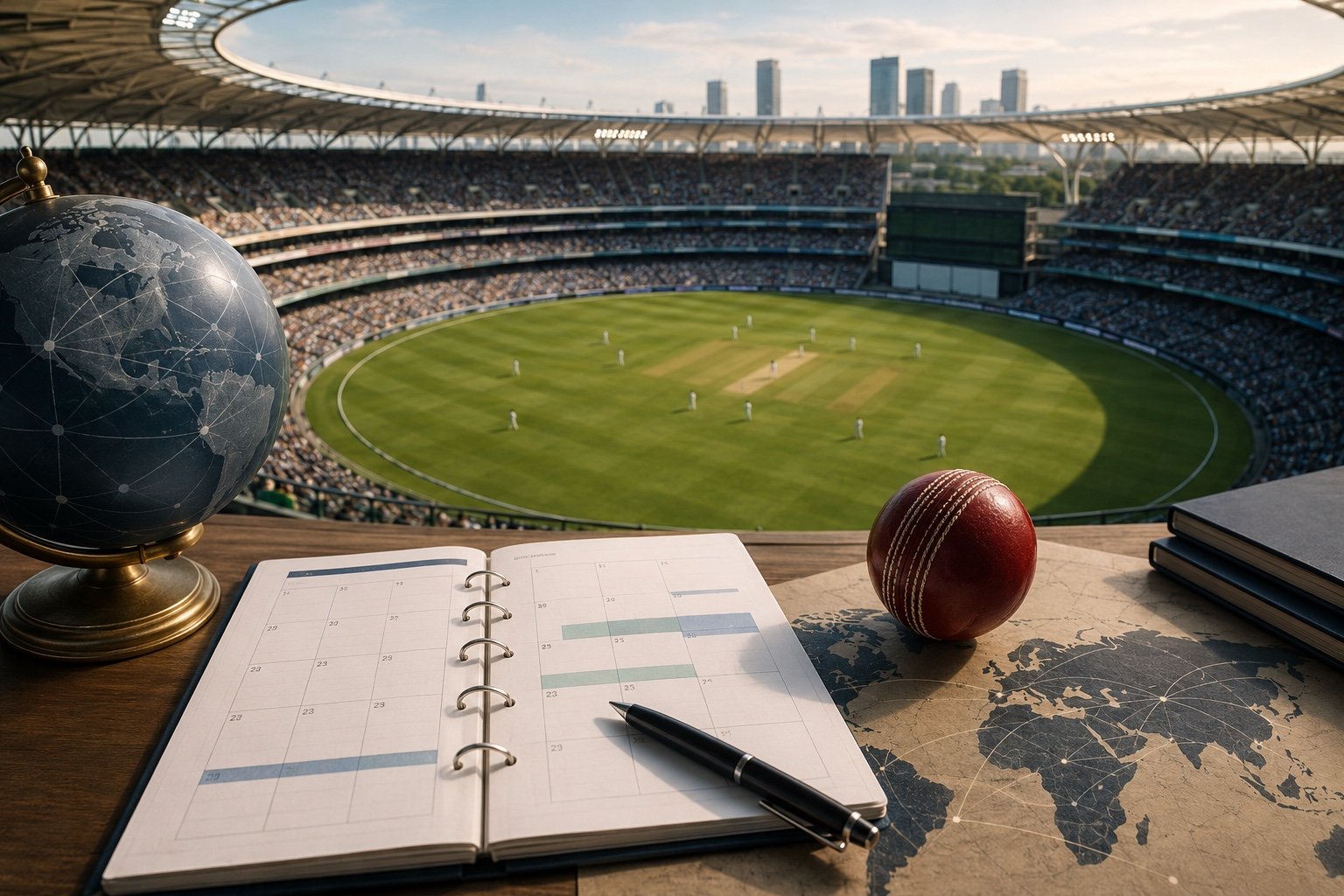
The Guardian reported on 5 July that the International Cricket Council is exploring a sweeping set of ideas as part of a strategic review of the global game: fixed windows for each format, multilateral series, continental championships, a possible World Club Championship for T20 franchises, and even changes to the length of one-day internationals. Talks among the 12 full members are expected at the ICC's annual general meeting in Edinburgh, with the review managed by McKinsey. Crucially, existing commitments — including World Cups — run through 2031, so this is a debate about the next cycle, not an overnight revolution.
Why it matters
Cricket's calendar has never really been a system; it is an accumulation of bilateral deals, global tournaments, domestic leagues and commercial exceptions. The result asks supporters to treat almost every match as simultaneously urgent and disposable, while players shuttle between formats and continents without meaningful rest. Fixed windows are the most sensible idea on the table: viewers would know what kind of cricket they are watching and why, broadcasters could plan around coherent storylines, and workloads would become more predictable. The World Cricketers' Association has already called for exactly this.
The ODI question is the most revealing. Outside World Cups, the 50-over game struggles for identity, and one reported idea would concentrate ODIs in the 18 months before each World Cup. That need not diminish the format — it could make it purposeful, part of a visible World Cup arc rather than isolated bilateral inventory.
The counter-view
There are two serious objections. First, calendar engineering can create the problem it solves: continental championships and a franchise World Club Championship could simply add layers to an already saturated schedule — and the precedent is not encouraging, since the Champions League T20 folded after six seasons for lack of appeal. Second, the politics are formidable. England, India and Australia have powerful commercial interests in controlling their own fixtures, and the Guardian reported that any ICC move to take charge of bilateral series would likely meet resistance from precisely those boards. Cricket's imbalance is economic, not merely sporting, and the biggest boards have little incentive to surrender control.
What happens next
The Edinburgh AGM will show whether this is a genuine redesign or a consultants' slide deck. The test for any reform is blunt: what is each event for? If the review produces a framework that gives formats defined roles, players breathing space and more countries meaningful context, it will be remembered as a necessary correction. If it merely stacks new competitions on top of old ones, it will confirm the problem it set out to fix. Cricket does not need more dates; it needs better reasons for the dates it already has.
Sources: reporting by The Guardian.
The NE Times is an independent news and analysis publisher. Our articles combine factual reporting with clearly-written, impartial analysis. Content is for general information and does not constitute professional advice. Disclaimer.
You may also like to read
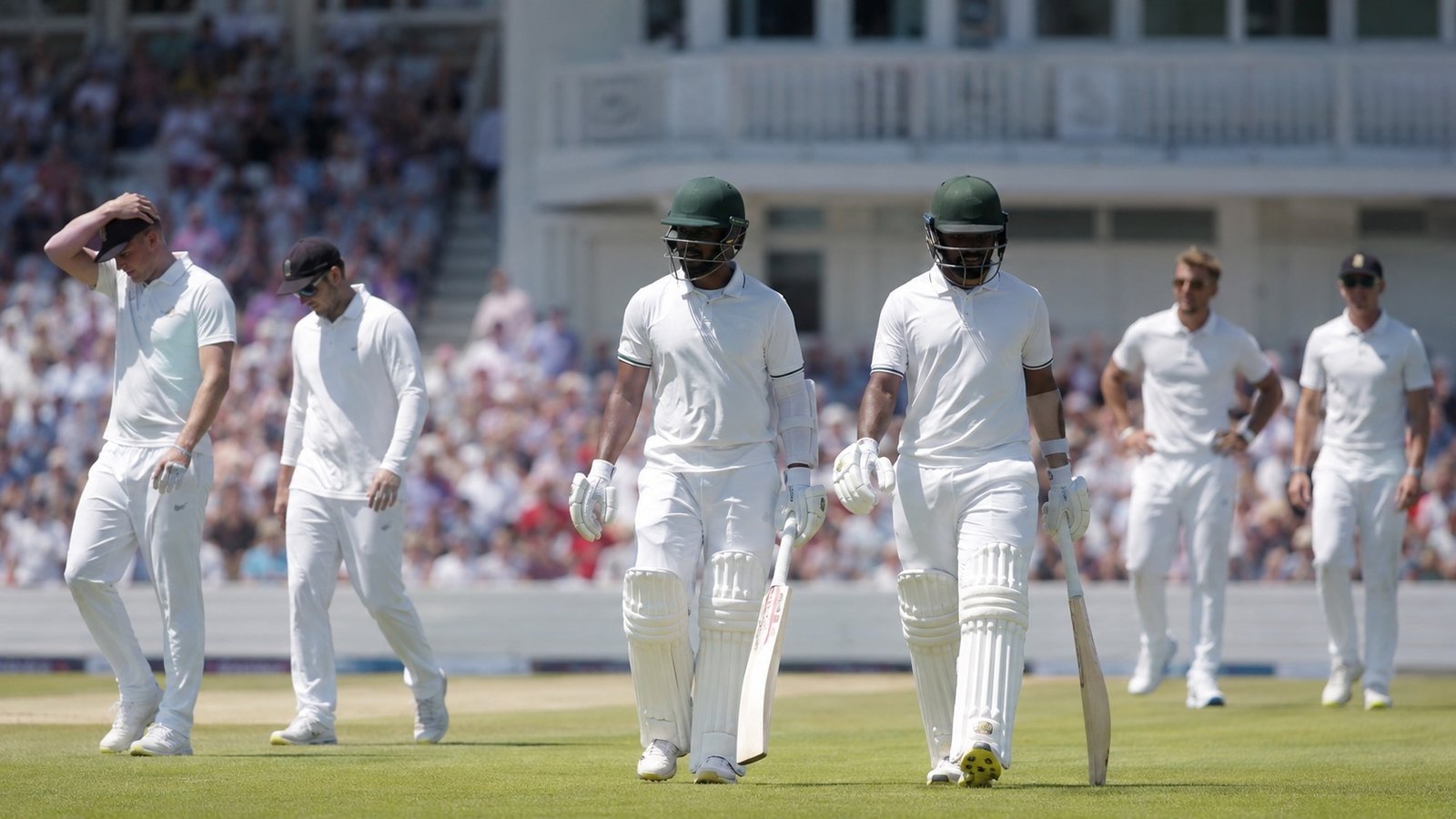
New Zealand Openers Latham and Conway Pile Pressure on England at Trent Bridge
Tom Latham and Devon Conway shared a record 317 opening stand in searing heat as the third Test swung the tourists' way on day one.
Scotland knocked out as New Zealand keep Women's T20 World Cup hopes alive in Bristol
New Zealand beat Scotland by six wickets in Bristol to keep their title defence alive and end the Scots' campaign, reaching their target with 10 balls to spare.
England drop Robinson and recall Stokes and Atkinson for series-deciding Test
Selectors leave out a bowler fresh from a seven-wicket haul as the captain and his fast-bowling partner return from suspension, turning the Trent Bridge decider into a referendum on England's judgement.
Stokes and McCullum clear the air before England's New Zealand decider
Captain returns to a stronger XI after a frank conversation with the head coach, drawing a line under a disciplinary episode that followed a heavy defeat at the Oval.