ITV to axe 200 jobs in restructure as linear advertising squeeze bites
Chief executive Dame Carolyn McCall has told staff the broadcaster will cut around 200 roles across its media and entertainment, commercial and technology divisions in a drive to save £50m a year.
Sophie Bennett
Writer ·
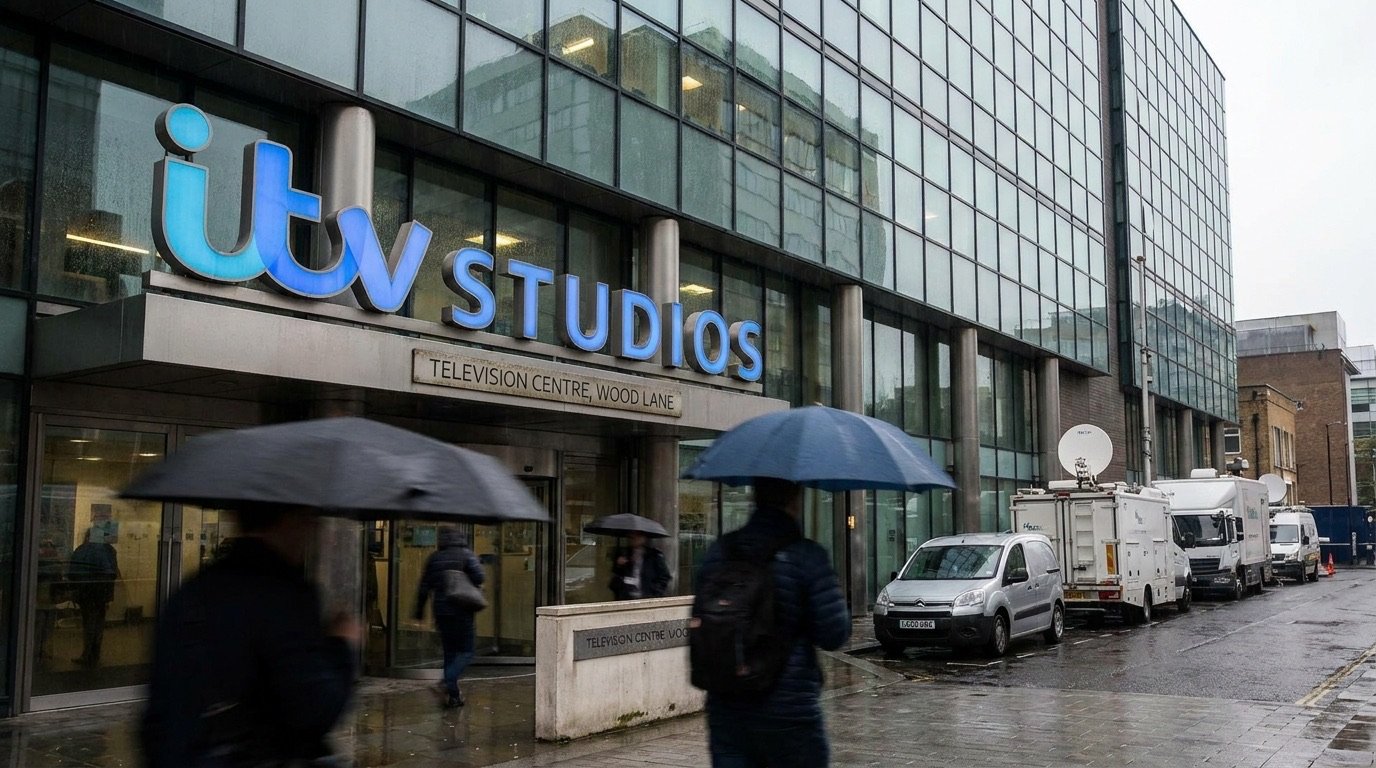
ITV is to cut around 200 jobs as part of a restructuring programme intended to strip £50m a year from its cost base, with chief executive Dame Carolyn McCall confirming the plans in an email to staff. The reductions fall chiefly within the broadcaster's media and entertainment division, alongside commercial and technology roles.
A 45-day consultation period is due to begin after staff meetings, with voluntary redundancy offered although some compulsory exits are expected. ITV Studios, the group's lucrative production arm, has been ringfenced from the cuts, a decision that underlines where management believes the company's future growth lies.
The announcement adds to a steady drumbeat of bad news from the UK screen sector, where broadcasters, studios and independent producers have all been trimming budgets in response to falling advertising income and a more cautious commissioning climate. For ITV, the cuts are framed not as a panic measure but as part of a deliberate pivot toward digital and production.
Linear in retreat
The squeeze reflects the structural decline in traditional television advertising, with linear ad revenue under sustained pressure as audiences and budgets migrate to streaming and digital platforms. ITV has been steering spending toward its streaming service and its studios business in response.
Linear television once delivered mass audiences that advertisers could reach in a single buy. That proposition has eroded as viewing fragments across on-demand services, social video and gaming, particularly among younger audiences who may rarely watch scheduled broadcasts at all. The economics that sustained large commercial broadcasters for decades have been steadily undermined.
ITV's strategic answer has been to grow ITVX, its streaming platform, and to expand its production business so that it is less dependent on domestic advertising cycles. The £50m savings target is intended to free resources for that reinvestment while protecting margins during the transition.
The challenge is one of timing. Streaming revenues, while growing, have yet to fully replace the income lost from declining linear advertising, leaving broadcasters to manage a painful gap between the two business models. Cost reductions of the kind ITV has announced are a way of bridging that gap, buying time for the digital and production strategies to mature into reliable profit centres.
A sector under strain
The move places ITV alongside the BBC, which is pressing ahead with thousands of job reductions of its own, in a UK screen sector grappling with tighter budgets and softer commissioning. For independent producers and freelancers, the contraction at the commercial public broadcaster is an ominous signal.
The British production ecosystem relies heavily on commissions from the major broadcasters. When those broadcasters cut costs, the effects ripple outward to the indie producers, crews and freelancers who depend on a steady pipeline of work. A leaner ITV means fewer commissions, tighter budgets per project and greater competition for the work that remains.
The pressures bearing on the wider sector include several overlapping forces:
- Declining linear advertising revenue as audiences shift to digital and on-demand viewing.
- Intensifying competition from global streaming services with deeper pockets for content.
- A more cautious commissioning environment that has reduced the volume of new orders.
- Rising production costs that squeeze margins on the projects that do go ahead.
- Mounting uncertainty for freelancers and independents who rely on broadcaster spending.
“The restructuring reflects the financial necessity of reducing costs across group functions.”
— Summary of Dame Carolyn McCall's staff message
Background
ITV has spent recent years repositioning itself for a market in which scheduled broadcasting is no longer the dominant force. Under Dame Carolyn McCall, the company has invested in its streaming offering and expanded ITV Studios into a substantial international production business, supplying programmes to broadcasters and platforms well beyond its own channels.
That strategy explains why the studios arm has been shielded from the latest cuts. Production is the part of the business management views as a growth engine and a hedge against the structural decline of domestic advertising. The reductions are concentrated instead in the areas most exposed to the shrinking linear model and in central functions where efficiencies can be found.
What it means
ITV insists the redesign is about reshaping the organisation for a digital-first future rather than simply trimming headcount. The company's leadership argues that a smaller, more focused operation is better placed to compete in a landscape dominated by global streamers and changing viewing habits.
For the hundreds of staff facing consultation, however, it is the latest chapter in a difficult run for British broadcasting. The coming weeks will determine how many of the 200 roles can be lost through voluntary departures and how the savings are redeployed. The outcome will be watched closely across a sector wondering how far the contraction has yet to run.
Sources: reporting by C21Media.
The NE Times is an independent news and analysis publisher. Our articles combine factual reporting with clearly-written, impartial analysis. Content is for general information and does not constitute professional advice. Disclaimer.
You may also like to read

BBC drops Ashley Cain documentary after admitting vetting failure
The corporation has shelved the new series of Ashley Cain: Into the Danger Zone and ruled out future projects with the presenter after reports of historic abusive and misogynistic social media posts.
Emma Hayes Turns ITV Tribute to Her Father Into a Statement on Football Punditry
The US women's coach used her latest ITV World Cup appearance to honour her late father, reframing a week clouded by a sexist 'kitchen' jibe into a broader case for why representation in broadcast teams matters.
Streaming calendar crowds as films, series, music and games fight for the same week
A packed release slate shows how entertainment platforms increasingly compete across categories, with viewers asked to treat one week as a full media menu.

Dan Levy reveals the crime-show DNA behind Netflix comedy Big Mistakes
The Schitt's Creek star says long-running procedural dramas shaped the structure of his new crime-comedy, co-created with Rachel Sennott, which blends incompetence, blackmail and organised crime.