Federal judge blocks key parts of Trump's mail voting order
A Boston court sided with states arguing that running elections is a matter for states and Congress, not the White House.
Eleanor Whitfield
Writer ·
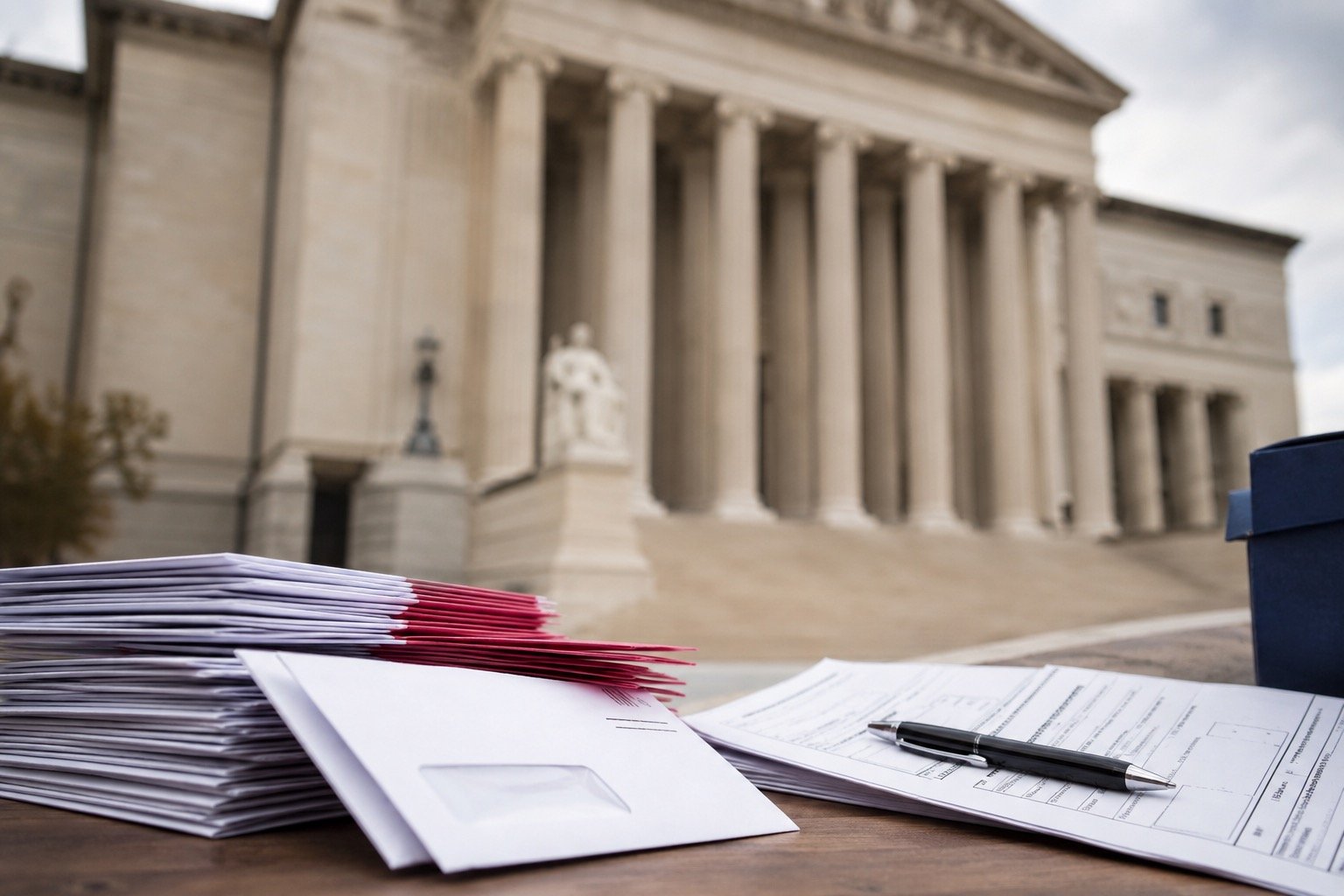
A federal judge in Boston has blocked major parts of President Donald Trump's executive order seeking to create a federal voter list and restrict the distribution of mail ballots.
The ruling sided with states that argued election administration belongs to states and Congress rather than the White House.
Background
Trump's order had sought to centralise voter records and tighten rules around postal voting, drawing immediate legal challenges from a coalition of states concerned about federal overreach.
What happens next
The decision is likely to be appealed, setting up a wider constitutional fight over who controls how American elections are run as the next cycle approaches.
Sources: reporting by The Guardian.
The NE Times is an independent news and analysis publisher. Our articles combine factual reporting with clearly-written, impartial analysis. Content is for general information and does not constitute professional advice. Disclaimer.
You may also like to read
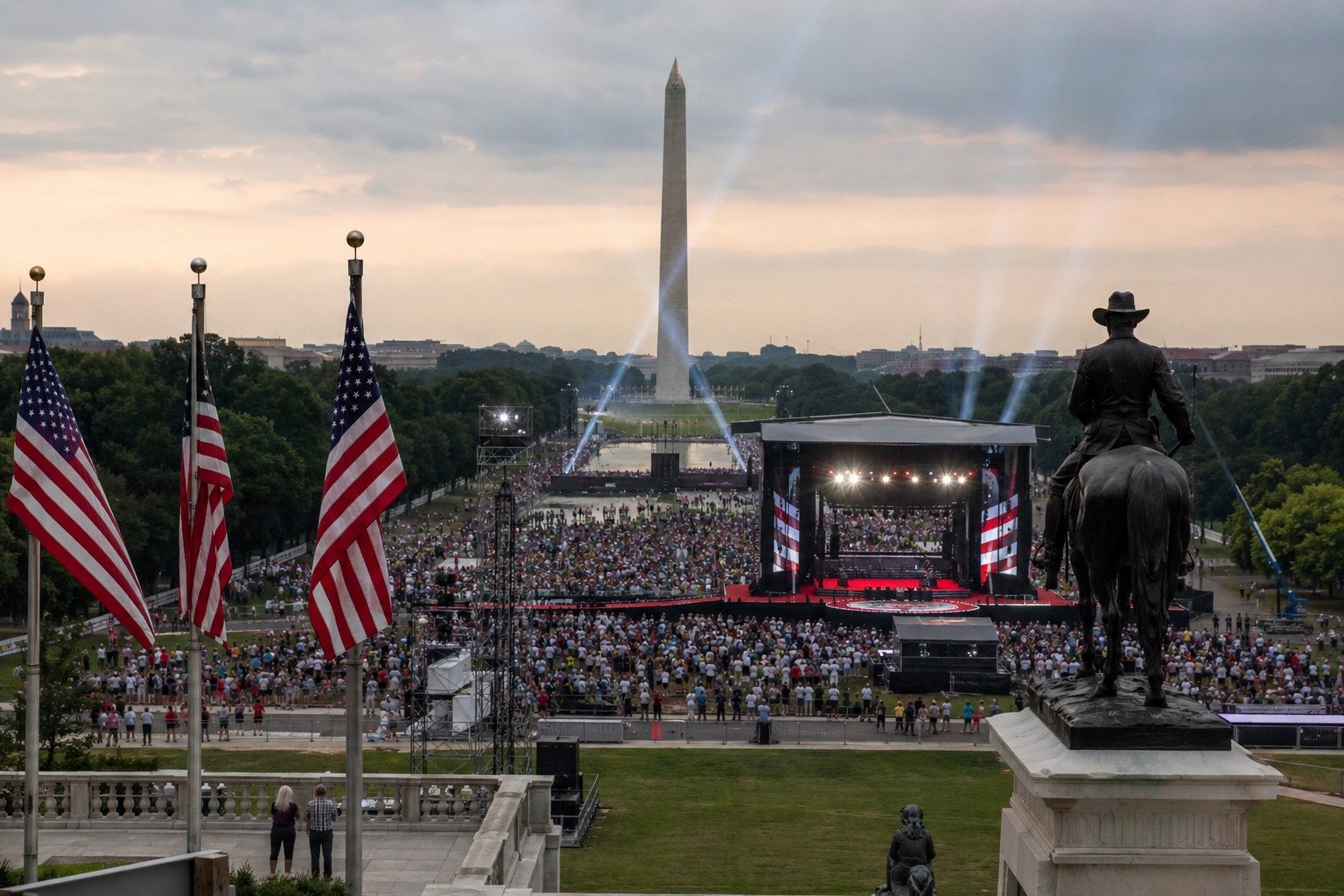
Trump turns America 250 launch into a political test on the National Mall
The president opened the Great American State Fair with a rally-style speech, prompting musical acts to pull out and several states to opt out.
Eight sentenced over shooting outside Texas immigration detention centre
Lengthy prison terms in a case prosecutors linked to a protest reignite debate over political extremism, public safety and the policing of demonstrations.
US judge bars immigration arrests at courthouses
A federal judge has blocked a Trump administration policy that allowed immigration officers to detain people attending court hearings.
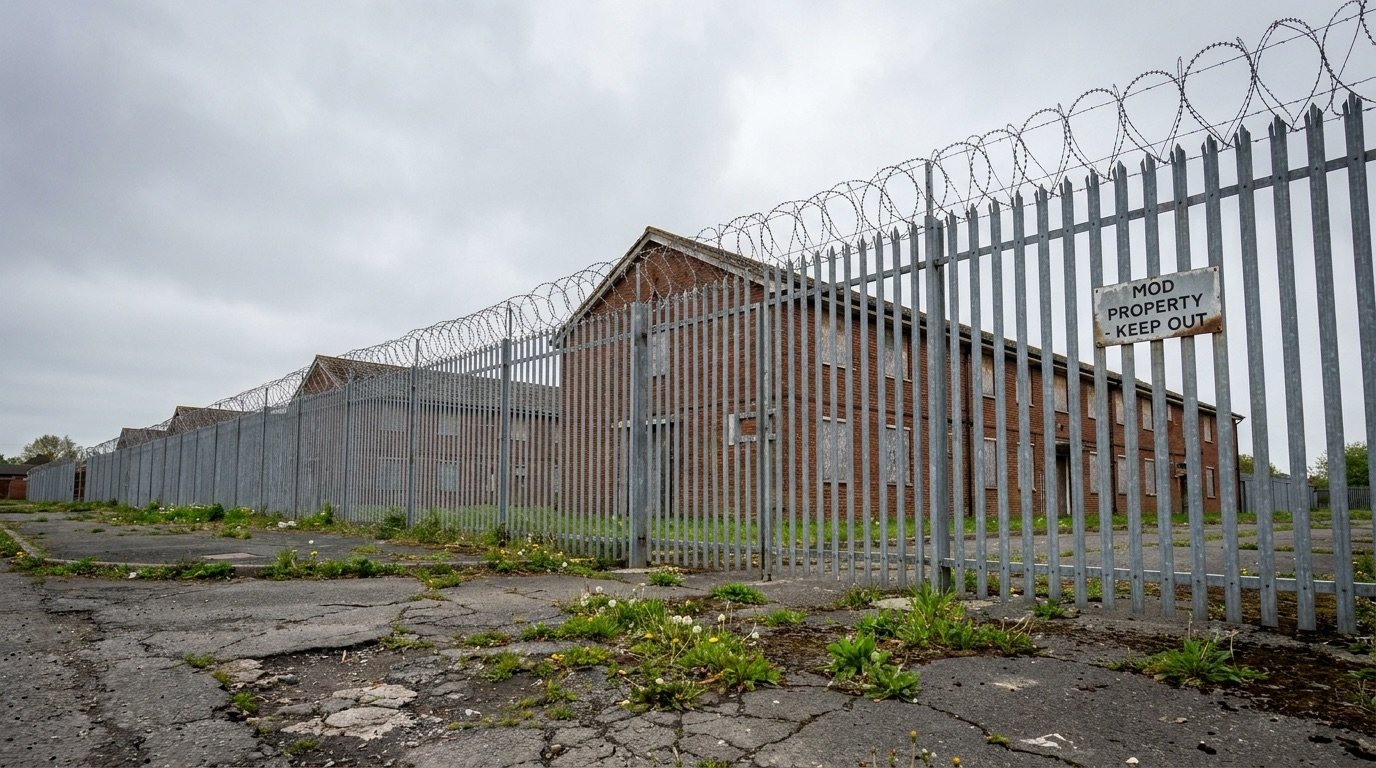
Watchdog warning collides with the politics: large asylum sites 'cost more than hotels'
Auditors have found the Home Office's flagship large-site accommodation costs more per night than hotels while delivering fewer beds — a finding that lands as parties sharpen rival deportation pledges ahead of the next election.