Life Out There makes isolation the main character in a space-capsule drama
Ransack Theatre's play at the Lowry uses a lost commander's voice and a cramped capsule to turn the second-Earth story into chamber theatre about grief.
Sophie Bennett
Writer ·
What happened
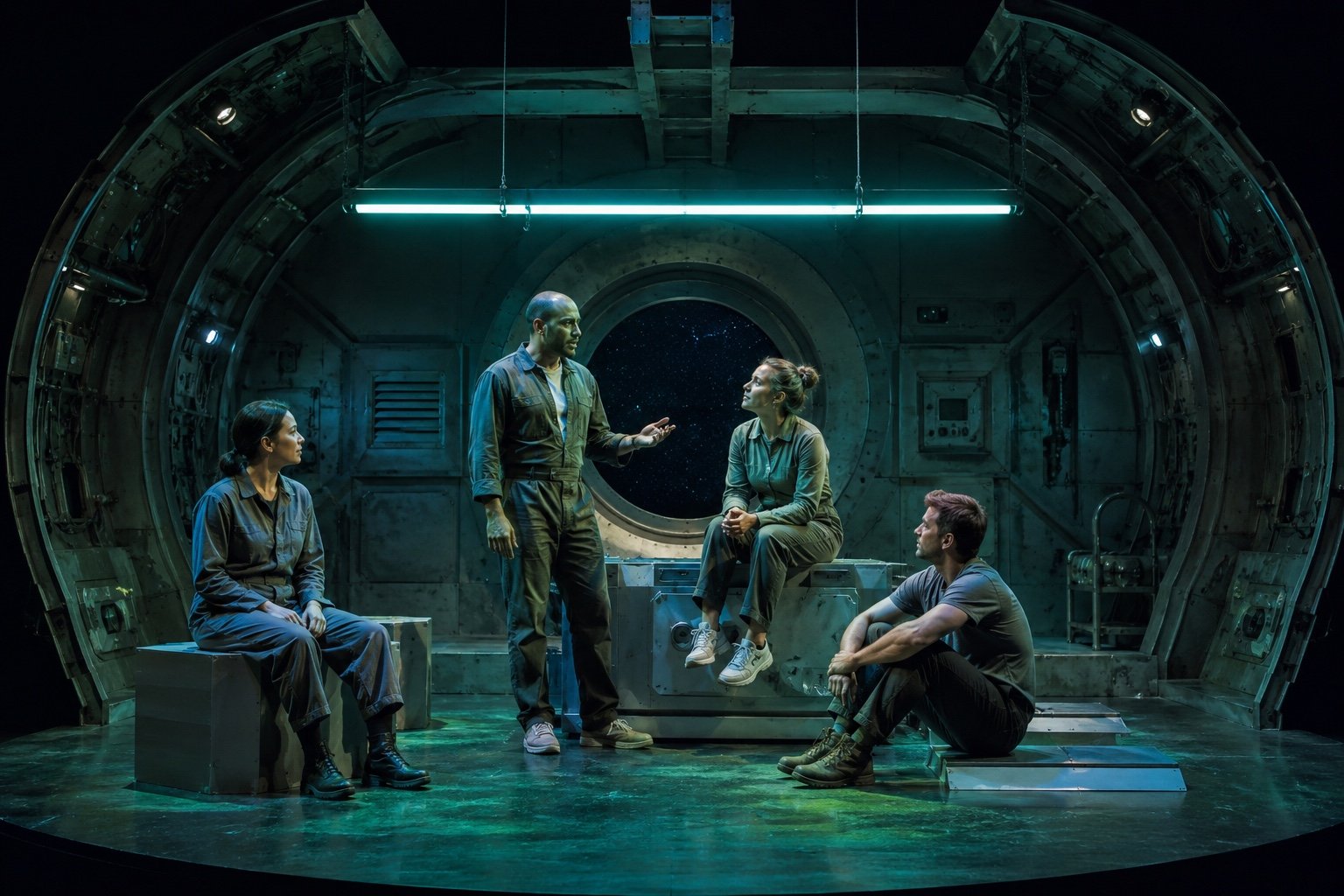
Ransack Theatre's Life Out There, reviewed by the Guardian at the Lowry in Salford, sends a crew hunting for an alternative Earth after our own has been destroyed in ways left unspecified but guessable. Its dramatic engine, though, is absence: Commander Isaacs has disappeared during a solo shuttle flight, yet his voice remains in the capsule — possibly artificial intelligence, possibly memory, possibly haunting, possibly all three. Around that void, Tim Foley's play distributes the burdens of disaster among the remaining crew: a wisecracking colleague using humour as armour, an engineer who grasps the danger first, a crewmate who cannot accept the loss, and a bird expert thinking of a child due to be born back on whatever remains of Earth.
Why it matters
Space stories usually arrive wrapped in scale — new worlds and the technological confidence of people who believe danger can be solved by leaving it behind. Life Out There takes the opposite route, and its central ambiguity is its strongest idea. Isaacs' voice could become a puzzle-box trick in lesser hands; here it functions as an image of mourning itself. The bereaved live with echoes that are practical, emotional and imagined at once — recordings, remembered phrases, the strange presence of absence. By placing that feeling inside a spacecraft, the play gives grief a visible architecture.
The staging is deliberately modest: a tight grey tube of a spaceship, minimal gestures at weightlessness, with lighting, sound and movement suggesting altered reality. That is shrewd theatre craft. The stage cannot compete with cinema on visual scale, but it can hold an audience inside a sustained emotional atmosphere in a way film sometimes struggles to match — a glowing tube, a few bodies under pressure and questions kept deliberately alive.
The bigger picture
The production lands in a culture already primed for thoughtful science fiction — the review places it alongside contemporary screen work such as Project Hail Mary — and its restraint about the catastrophe back home is significant. A play need not itemise climate collapse to make the stakes legible; the audience brings enough contemporary anxiety into the room. The second-Earth mission becomes a question about whether escape fantasies are solutions at all, or simply carry unresolved human habits to a different address. A touring date at Jodrell Bank observatory gives the show a neat resonance, but the broader point is that space drama can be chamber theatre, ecological reflection and ghost story at once.
What happens next
As the production tours, its appeal will rest less on whether humanity finds a new planet than on whether these characters can keep faith with one another when the future may not redeem the past. The title carries a double meaning that gives the piece its lasting charge: it asks whether life exists beyond Earth, but also whether a meaningful life remains possible when home, certainty and belonging have been stripped away.
Sources: reporting by The Guardian.
The NE Times is an independent news and analysis publisher. Our articles combine factual reporting with clearly-written, impartial analysis. Content is for general information and does not constitute professional advice. Disclaimer.
You may also like to read
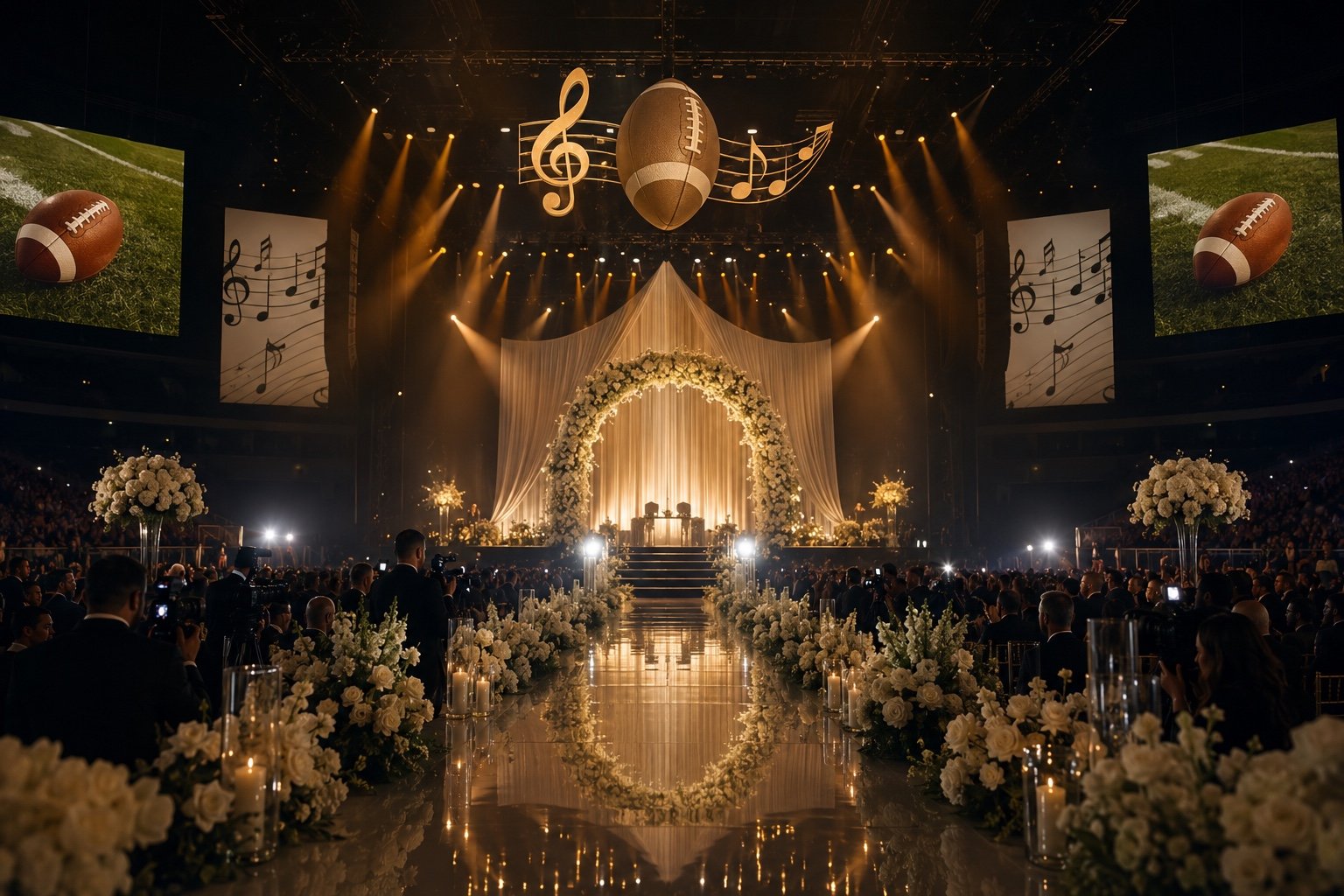
Swift and Kelce Marry at Madison Square Garden — and Redraw the Map of Celebrity News
Taylor Swift and Travis Kelce's Madison Square Garden wedding, officiated by Adam Sandler, shows how pop, sport and fandom now share one attention economy.
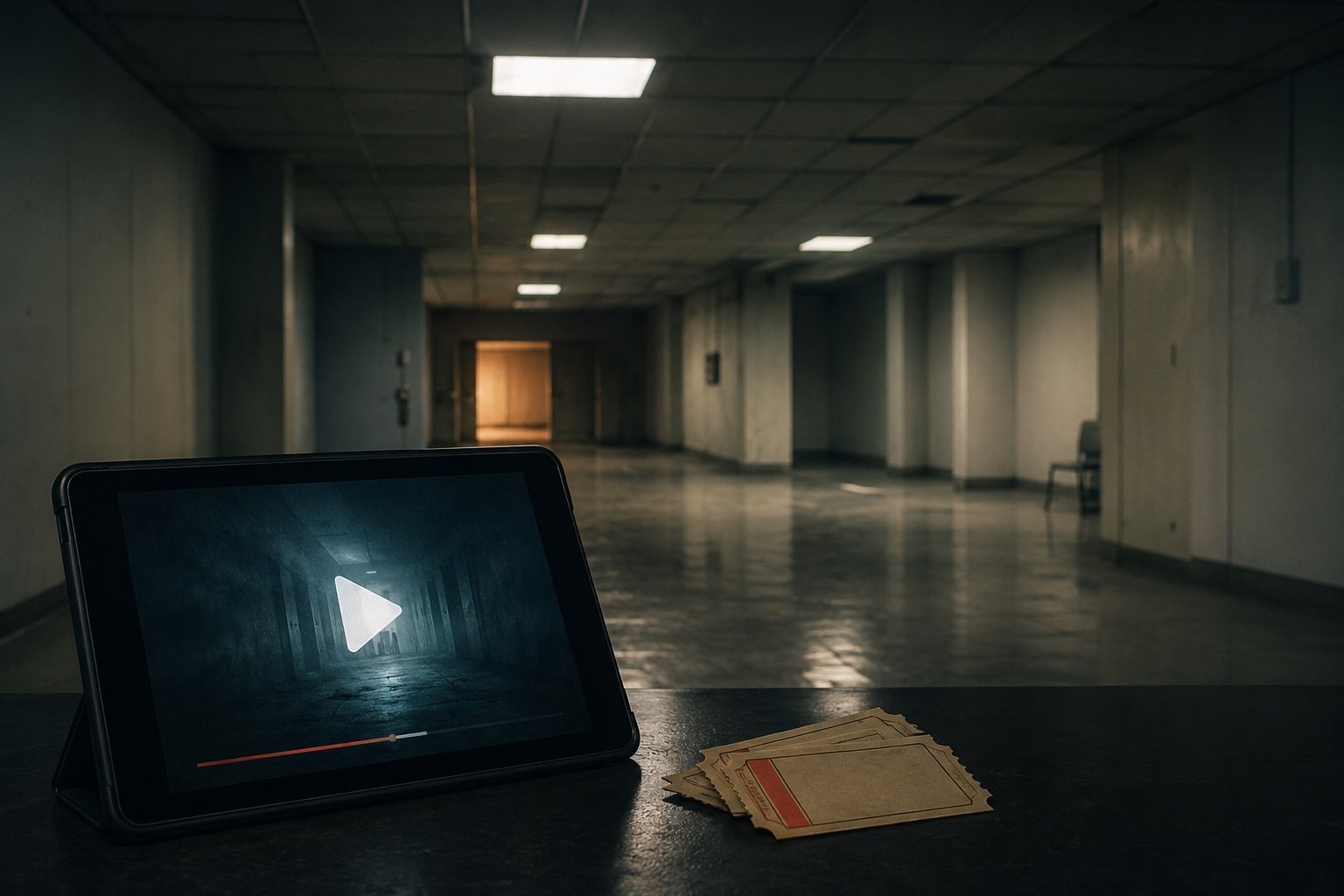
Backrooms Goes Home: The Viral Horror Hit Faces Its Streaming Audit
A24's $81.5m internet-born horror phenomenon arrives on premium VOD on 7 July — the next test of whether viral fandom can outlast the opening weekend.

Minions Edge Toy Story in a July Fourth Weekend That Reveals the Market's New Rules
Minions & Monsters topped the US chart with $36.4m over Toy Story 5's $31m — a win with caveats in a tighter, more international summer box office.
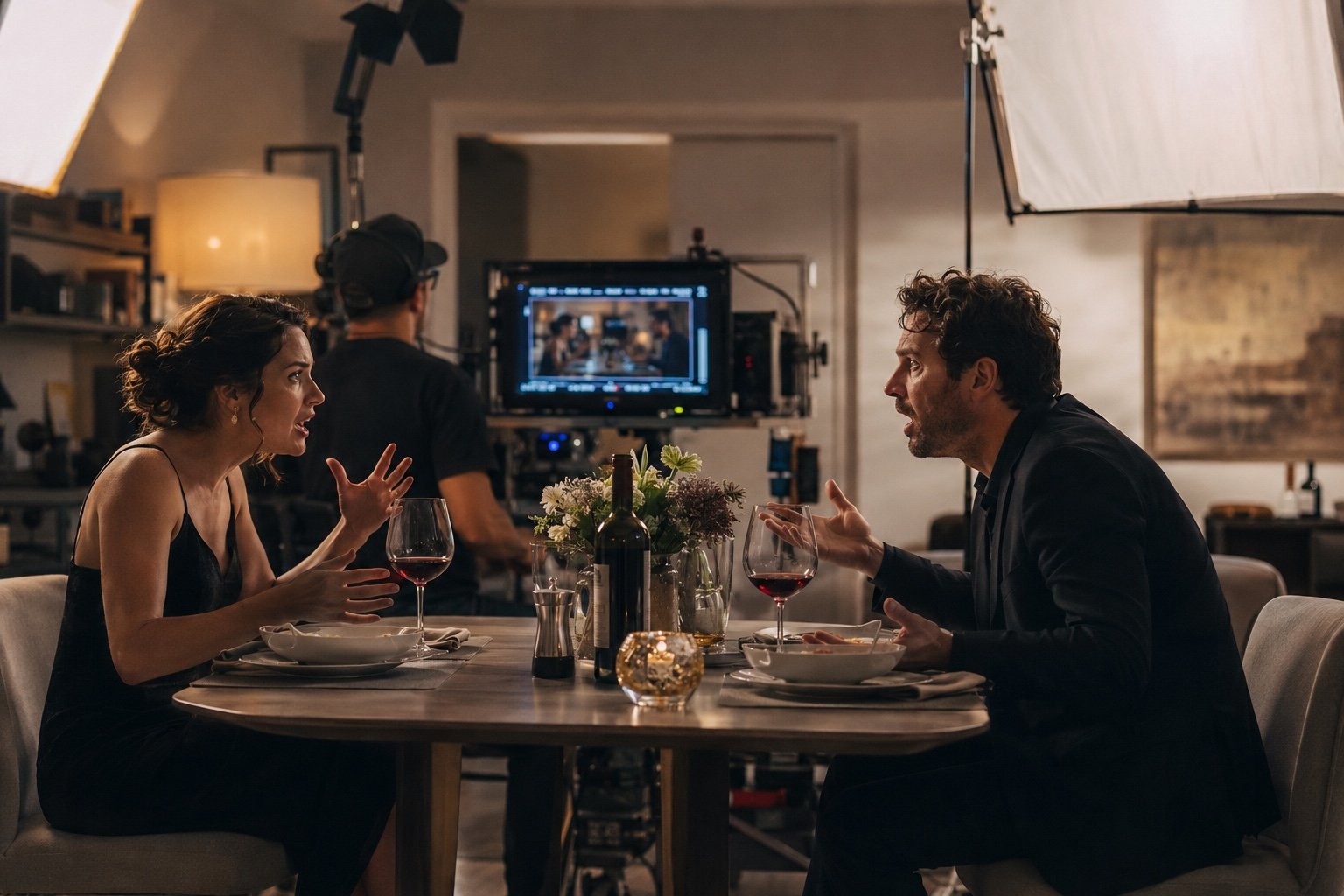
Why Seth Rogen and Olivia Wilde Shouting at Each Other Is Good News for Grown-Up Comedy
Ahead of The Invite's 10 July expansion, Rogen and Wilde's combative screen chemistry makes the case for the endangered adult chamber comedy.