Mexico's plan to resume oil shipments to Cuba tests the limits of Caribbean energy diplomacy
President Claudia Sheinbaum says Mexico wants to restart deliveries to an island gripped by blackouts, but she is steering the move through private firms to avoid a direct collision with Washington.
Marcus Reeve
Writer ·
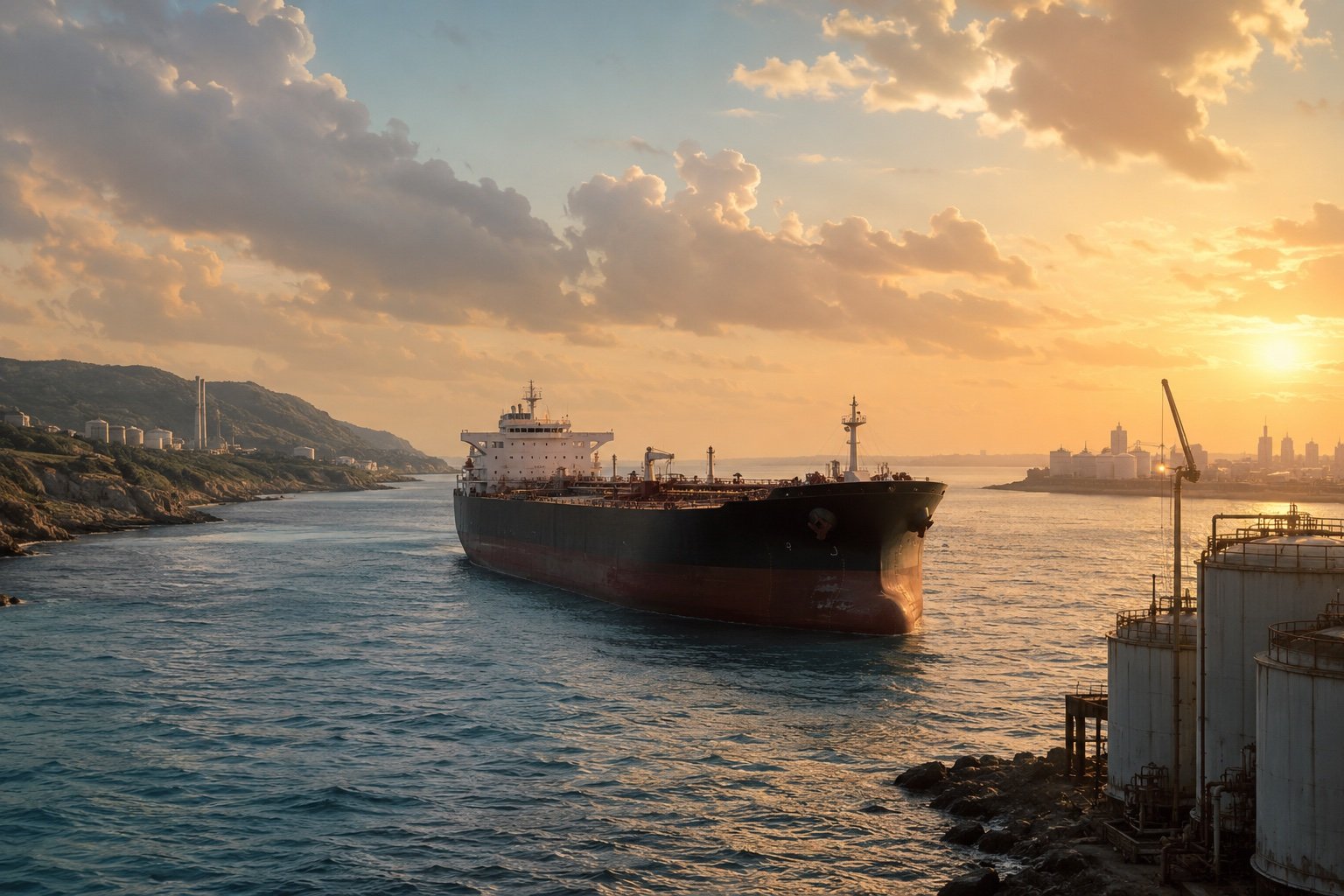
Mexico has signalled that it wants to restart oil shipments to Cuba, a move that could ease one of the deepest fuel and power crises the island has faced in years while testing a delicate balance of relationships across the Caribbean. President Claudia Sheinbaum said her government would look for a route that relies on commercial and privately owned firms rather than state companies, a distinction that carries real diplomatic weight.
The wording matters because earlier deliveries drew pressure from Washington at a time when Cuba was losing Venezuelan supply, struggling to fund imports and enduring long, repeated blackouts. By routing any new flow through private intermediaries, Mexico appears to be trying to combine humanitarian instinct with commercial caution and a clear assertion of its own diplomatic independence.
For Havana, even limited deliveries could buy time for an electricity system under severe strain, where fuel shortages ripple far beyond the petrol pump and into the daily functioning of the state itself.
Why the energy shortfall bites so hard
Cuba produces only a fraction of the petroleum it needs, leaving it heavily dependent on outside supply. When that supply falters, the consequences spread quickly into services that most countries take for granted.
- Hospitals and clinics that rely on generators during outages
- Refrigerated food storage and distribution networks
- Water pumping and sanitation systems
- Public transport and the movement of goods across the island
The result is an energy shortfall that behaves less like an inconvenience and more like a slow-moving emergency, touching health, food security and basic mobility at the same time.
A careful diplomatic balancing act
Sheinbaum's emphasis on private firms is a deliberate attempt to keep a humanitarian gesture from becoming a geopolitical flashpoint. The proposal is not yet a guaranteed shipment schedule, and analysts caution that turning intent into reliable deliveries will depend on logistics, financing and the appetite of commercial partners to take on the risk.
“The signal is clear: Mexico wants to help Cuba without ignoring the commercial and diplomatic risks of doing so.”
Background
Cuba's energy troubles have deepened as Venezuelan supply dwindled, leaving the island short of the imports it once relied on. Previous Mexican assistance attracted scrutiny from the United States, framing the latest plan as a continuation of a long-running regional tension rather than a sudden departure. Sheinbaum has positioned her administration as willing to offer support while avoiding a head-on confrontation with Washington.
What happens next
Attention now turns to whether Mexico can convert a stated intention into a workable mechanism, and how the United States responds to deliveries routed through private companies. If shipments do resume, even modest volumes could relieve pressure on Cuba's grid, but the episode will continue to be read as a measure of how far a Latin American power can act independently on a sensitive humanitarian question.
Sources: reporting by Associated Press.
The NE Times is an independent news and analysis publisher. Our articles combine factual reporting with clearly-written, impartial analysis. Content is for general information and does not constitute professional advice. Disclaimer.
You may also like to read

US Grants 60-Day Iranian Oil Licence as Switzerland Peace Talks Press On
Washington has issued a temporary sanctions licence permitting Iranian oil production, delivery and sales through 21 August, offering negotiators an economic bridge as they pursue a permanent end to the war that began in February.

Ezra Jin's Release Puts Quiet Diplomacy and China's House Churches Back in Focus
The Zion Church founder has been released from prison in China and reunited with his family in the US, in a rare case that tests case-by-case diplomacy.
Japan says China has detained two citizens in rare-earths case
Tokyo says Chinese customs notified its consular offices of detentions over alleged smuggling, reportedly linked to critical minerals.

Israeli deployment in southern Lebanon clouds Iran diplomacy
Israel's insistence on keeping forces in parts of southern Lebanon has become a fresh obstacle to easing regional tensions involving Iran.