Seven M&S buys fashion editors swear by to look expensive this summer
Lightweight linen, lace trims and a knowing nod to noughties tassels: the high-street pieces being recommended for a polished summer capsule without the designer price tag.
Sophie Bennett
Writer ·
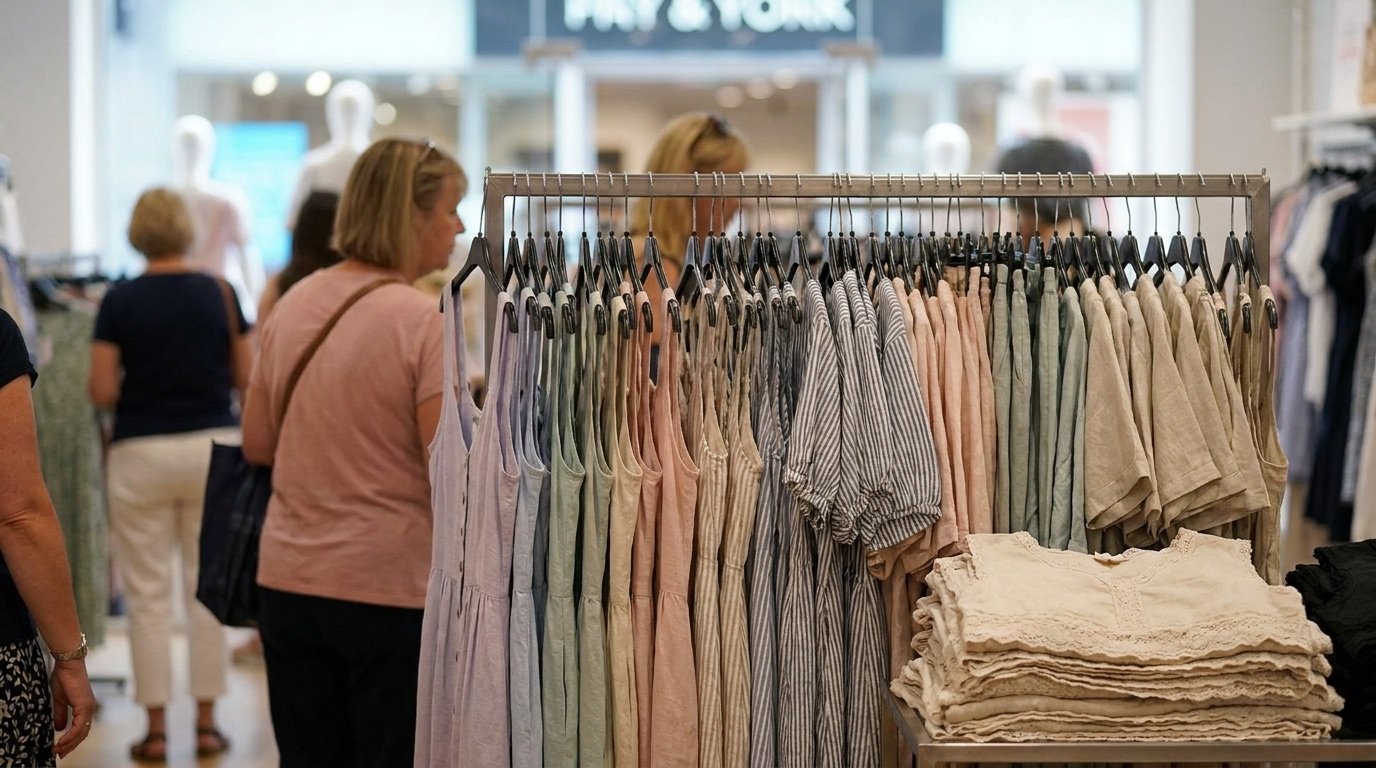
Looking expensive has never been less about spending a fortune. Fashion editors are turning to Marks & Spencer for a summer capsule that reads as polished rather than pricey, with the high-street stalwart leaning into what one writer calls sun-soaked maximalism, a mood where, this season, more is firmly more.
Among the seven trends singled out are lightweight linen for warm-weather ease, delicate lace-trimmed pieces, and pleats for movement and texture. There is also a wink to the noughties, with tassel scarves and Y2K-leaning accessories making a comeback for those who remember them first time around.
The appeal is partly practical and partly psychological. A well-chosen high-street piece, worn with confidence and styled with care, can read every bit as considered as something several times the price. The editors' enthusiasm for M&S this season reflects a broader truth about summer dressing: the right fabric and the right detail matter far more than the label sewn into the back of the collar.
The fabrics doing the heavy lifting
Linen is the season's workhorse for good reason. It breathes in the heat, drapes with an effortless looseness, and carries an inherent sense of quality even at high-street prices. A crisp linen shirt or a relaxed linen trouser forms the backbone of a summer capsule, and the slightly rumpled texture that some find a drawback is precisely what gives the fabric its understated, lived-in elegance.
Lace trims and pleats add the decorative interest that lifts an outfit from plain to polished. A lace-edged top brings a softness that reads as feminine and considered, while pleats introduce movement and structure, catching the light as you walk. These are details that suggest thought has gone into a garment, and thought is exactly what the eye reads as expensive.
How to make it look costlier than it is
The trick, editors say, is restraint in the palette and confidence in the detail. A crisp linen shirt or a lace-edged top does the heavy lifting; you simply build around it. Powder blue continues to be a favourite shade of the season, an easy way to look considered without trying too hard.
Restraint is the operative word. A capsule built around a tight, harmonious palette will always look more deliberate than a wardrobe of clashing impulse buys, and it has the practical advantage that everything mixes with everything else. Build from neutrals and a single seasonal accent like powder blue, and the result is a set of pieces that quietly flatter one another.
A few simple moves can stretch the illusion of expense even further.
- Stick to a tight palette of neutrals with one seasonal accent, such as powder blue, so everything coordinates.
- Let one statement fabric, like linen or lace, anchor the outfit and keep the rest understated.
- Mind the fit: a well-judged length and a clean shoulder line read as expensive regardless of price.
- Add a noughties nod, such as a tassel scarf, sparingly so it feels knowing rather than costume.
- Invest in a few quality accessories, which lift even the simplest high-street base.
“The summer trends shaping fashion right now are leaning into sun-soaked maximalism; the mood is firmly more is more.”
— Who What Wear
Background: the high street's quiet glow-up
Marks & Spencer's reinvention as a destination for fashion editors did not happen overnight. Once seen as dependable but unexciting, the retailer has spent recent years sharpening its design, courting collaborations and chasing the trends that move on social media, and the payoff is a clothing offer that now regularly features in the kind of round-ups once reserved for pricier names.
That shift sits within a wider rethink of how shoppers spend on clothes. After years of cost-of-living pressure, the appetite for disposable fast fashion has cooled, and the idea of a considered capsule, fewer pieces, better chosen, worn more often, has gained ground. The high street has responded by offering design-led pieces at accessible prices, which is exactly the territory the M&S summer edit occupies.
What it means for your wardrobe
The appeal of the M&S approach is that it pairs fashion-forward design with affordable prices, the sort of pieces that quietly elevate an outfit. For anyone refreshing a wardrobe before the holidays, a few targeted buys beat a basket full of fast-fashion impulse picks.
The smarter strategy this summer is to shop with intent: identify the gaps in your existing wardrobe, choose a handful of versatile, well-made pieces in a coherent palette, and resist the pull of the bargain bin. A linen shirt that works a dozen ways will earn its keep long after a cheaper novelty buy has been forgotten, and that, far more than any price tag, is what looking expensive really comes down to.
Sources: reporting by Who What Wear.
The NE Times is an independent news and analysis publisher. Our articles combine factual reporting with clearly-written, impartial analysis. Content is for general information and does not constitute professional advice. Disclaimer.
You may also like to read
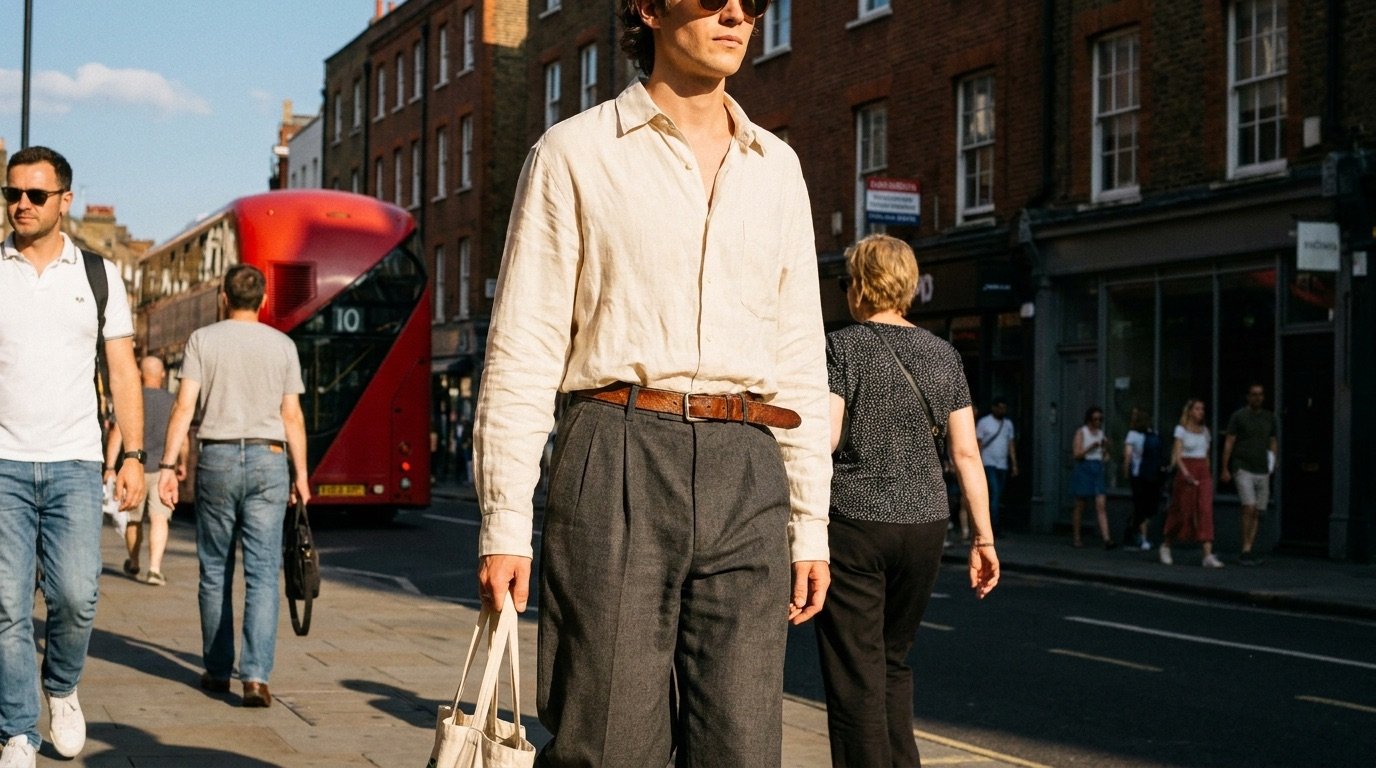
Wide legs, utility and linen: the high-street looks defining summer 2026
The skinny jean is officially over. As Britain's high street embraces wide-leg trousers, utilitarian cargo and breezy linen, this summer's wardrobe is built around comfort that still looks considered.

High street braces for fresh wave of closures as Claire's and Phase Eight retreat
Some of Britain's best-known retail names have confirmed store closures this year, with Claire's falling into administration and Phase Eight shutting branches, as rising costs and shifting habits continue to thin out the high street.
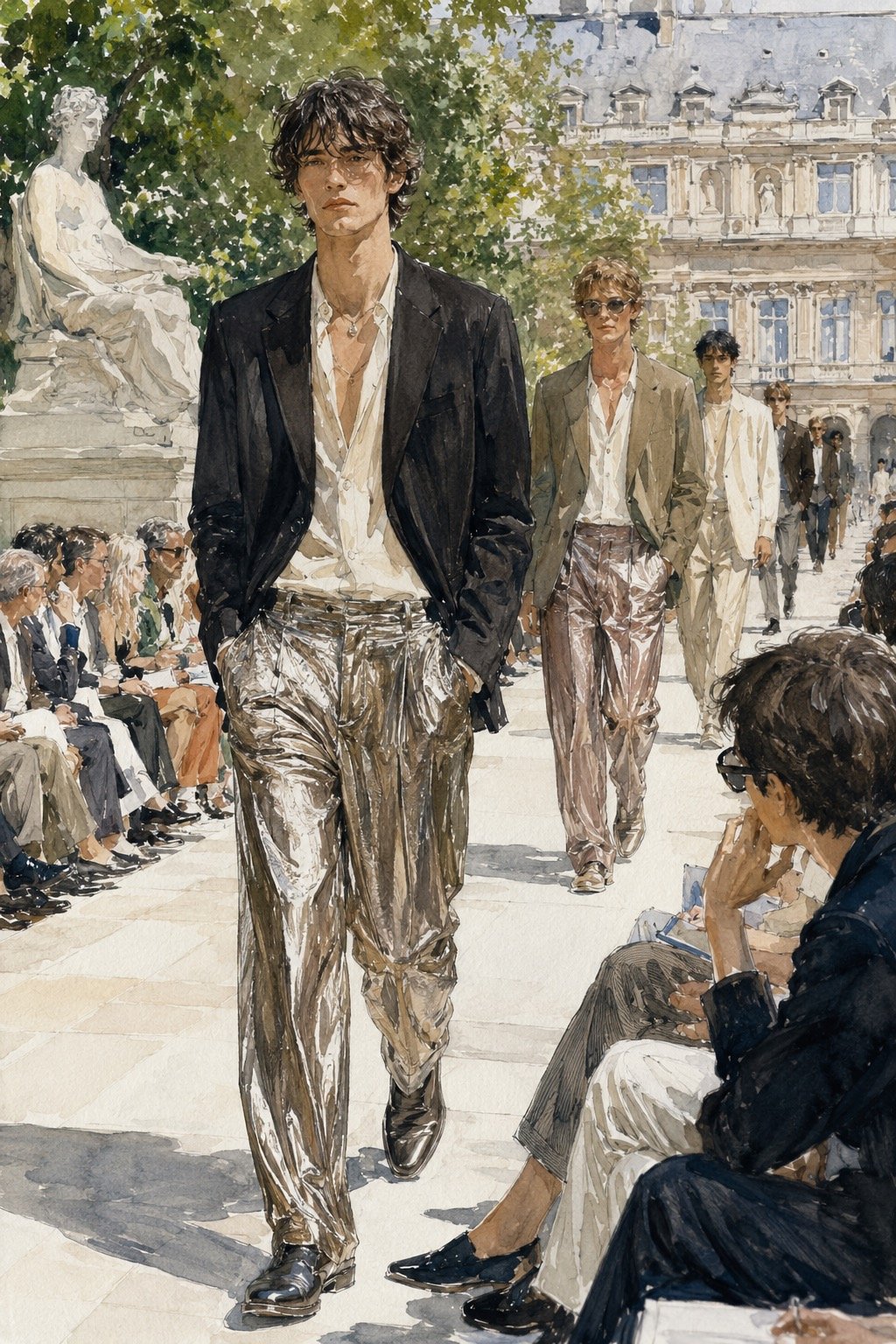
Dior mixes elegant luxury with indie sleaze at Paris menswear show
The house balances tailoring, cultural memory and younger styling codes in a crowded fashion-week calendar.
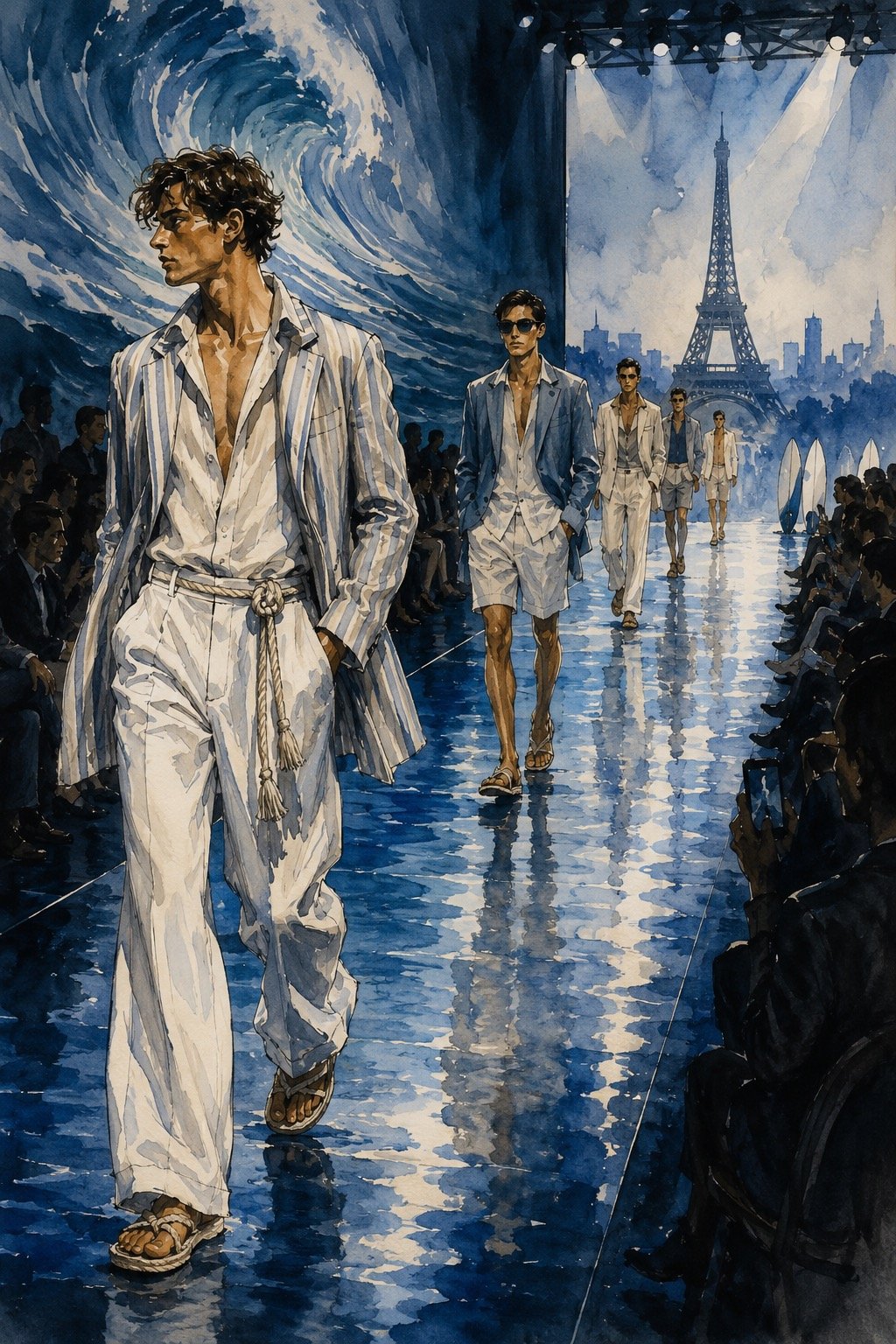
Pharrell sends a surf mood down the Louis Vuitton runway in Paris
The designer's high-summer menswear show drew celebrity guests and turned the runway into a major fashion talking point.