Netflix walks away from Warner Bros. as Paramount's $111bn bid wins Hollywood's biggest prize
After a months-long bidding war, Netflix declined to match Paramount Skydance's escalated offer for Warner Bros. Discovery, ceding HBO, the studios and CNN — and turning to a $25bn share buyback instead.
Sophie Bennett
Writer ·
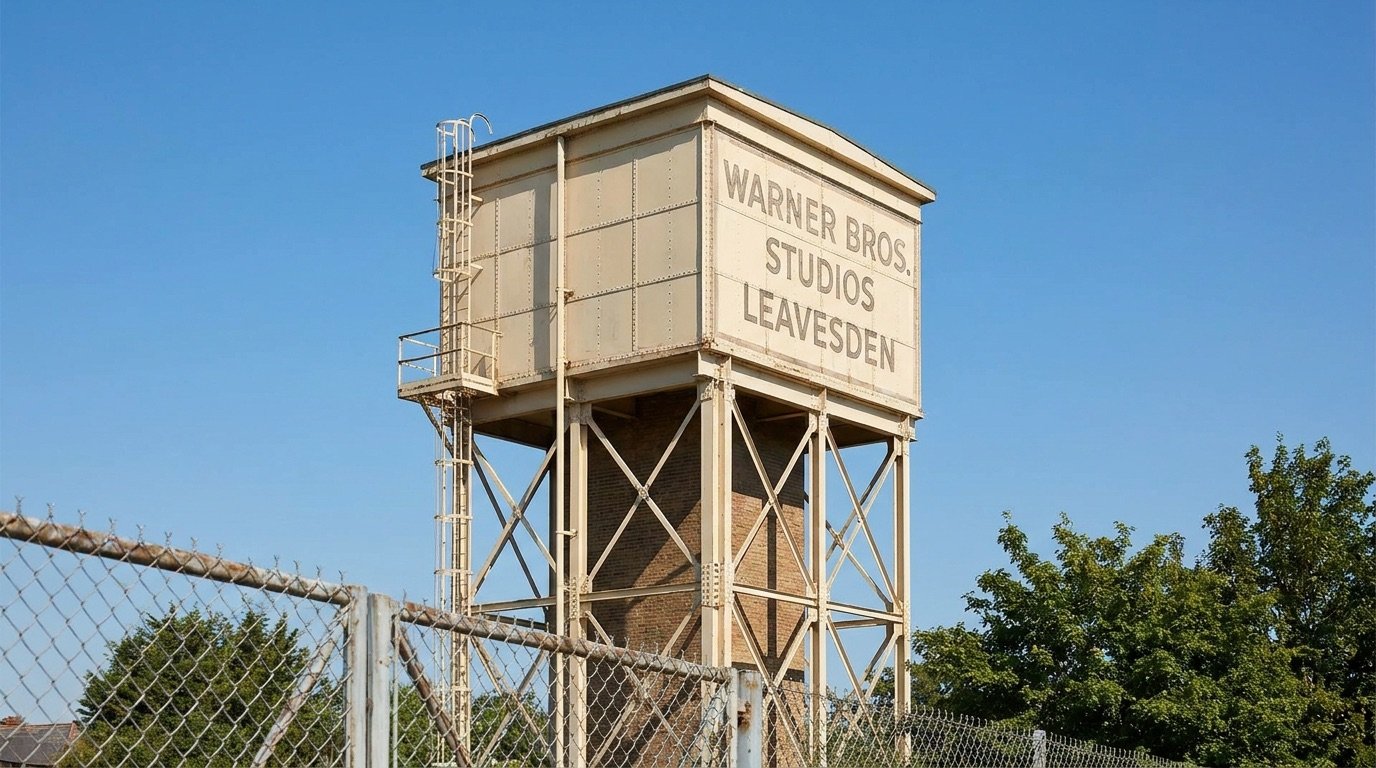
One of the most dramatic takeover battles Hollywood has seen in a generation has ended with Netflix on the losing side. After tabling an offer that once looked decisive, the streaming giant walked away from Warner Bros. Discovery, declining to match a richer, escalated bid from Paramount Skydance that valued the company at roughly $111 billion.
The outcome reshapes the media landscape. The assets at stake — the Warner Bros. film and television studios, HBO and HBO Max, the Discovery cable networks, news operation CNN and lifestyle channel HGTV — represent one of the deepest content libraries in entertainment, and they are now set to fall under Paramount's control rather than Netflix's.
For Netflix, which had positioned its bid as a transformative bet on owning premium scripted content, the retreat marks a rare public defeat. The company has framed it instead as financial discipline, with its co-chief executives concluding the deal was 'no longer financially attractive' at Paramount's price.
How the bidding war unfolded
Warner Bros. Discovery opened a formal sale exploration in October 2025 after fielding unsolicited interest. By December, Netflix had announced an opening offer worth about $82.7 billion in enterprise value, structured initially as a cash-and-stock deal before being amended to an all-cash offer of $27.75 per share in January 2026 to strengthen its hand.
Paramount, backed by Skydance, refused to be outmanoeuvred. It launched a rival approach and then escalated it to roughly $31 per share — around $111 billion — for the entire Warner Bros. Discovery portfolio, not merely the studio and streaming assets Netflix had targeted. When Netflix declined to match in February, it withdrew, and the board's recommendation swung behind Paramount.
“We remain disciplined buyers. At this price, the transaction is no longer financially attractive for our shareholders.”
— Netflix leadership, on withdrawing its bid
What Netflix does instead
Rather than chase the deal higher, Netflix moved to reassure investors. The company outlined plans for a $25 billion share buyback, signalling that capital it had earmarked for an acquisition would be returned to shareholders, and reaffirmed a strategy built on its own originals, advertising tier and continued share gains from linear television.
That underlying business remains formidable. Netflix reported first-quarter 2026 streaming revenue of $12.25 billion, up from $10.54 billion a year earlier, with growth across every major region. The company has also been leaning into AI-assisted subtitle localisation and merchandising tools as it looks to widen margins without a blockbuster acquisition.
The regulatory cloud over Paramount
Winning the auction is not the same as closing the deal, and Paramount's prize comes wrapped in political and legal scrutiny. The combination would unite two of Hollywood's largest studios and a sprawling cable and news portfolio, drawing concern from lawmakers and state officials alike.
Among the warning signs that have already emerged:
- A coalition of 11 state attorneys general urged a Department of Justice review over competition concerns
- California Attorney General Rob Bonta cautioned that the 'Hollywood titans' had not cleared regulatory scrutiny
- US senators including Elizabeth Warren, Bernie Sanders and Richard Blumenthal warned the merger could stifle competition and raise consumer prices
- The transaction still requires formal board approval and regulatory clearance before completion
Background
The fight for Warner Bros. Discovery is the latest and largest in a long run of consolidation as legacy media groups scramble to compete with streaming-native rivals. WBD itself was the product of a 2022 merger between WarnerMedia and Discovery, a union that struggled under heavy debt and never fully steadied the company — making it a takeover target almost from the moment its share price sagged.
Netflix's interest reflected how far the streamer has travelled from its DVD-rental roots: owning HBO and the Warner studios would have handed it a century of cinematic heritage and one of the most prestigious brands in television. Paramount, fresh from its own Skydance-backed overhaul, saw the same prize and was willing to pay more for all of it.
What happens next: attention now shifts to whether Paramount can actually close. Antitrust review in the United States, and likely scrutiny in other markets including the UK and EU, could stretch over many months and may force divestitures. For viewers, the immediate question is the future of HBO Max's content and pricing under new ownership — while Netflix, having kept its powder dry, is free to pursue its own path with a fortified balance sheet.
Sources: reporting by TechCrunch.
The NE Times is an independent news and analysis publisher. Our articles combine factual reporting with clearly-written, impartial analysis. Content is for general information and does not constitute professional advice. Disclaimer.
You may also like to read
Enola Holmes 3, Madonna and Elle: the streaming week that proves range beats scale
A Netflix detective sequel, a Legally Blonde prequel, Madonna's Confessions II and hit thriller Obsession show how streaming now sells a menu, not a moment.

New on Netflix June 2026: Films and TV series to add to your watchlist
A round-up of the latest films and series landing on Netflix in the UK this June, from fresh originals to returning favourites worth queuing up before the month ends.

BBC podcast outpaces Lineker's Netflix show in World Cup digital battle
Early figures suggest the BBC's Football Daily is drawing bigger audio and video numbers than Gary Lineker's Netflix-backed daily tournament show.

'Emily in Paris' to take its final bow with a globe-trotting sixth season
Netflix has confirmed the hit romantic comedy will end with Season 6, with Lily Collins promising a finale shot across Greece, Monaco and Paris that closes Emily's story 'in the most chic way'.