Nigeria warns of widespread floods, with 14,000 communities at high risk
The national hydrological agency says 33 of Nigeria's 36 states face flooding this year, with major cities including Lagos and Abuja among the areas exposed as the rains intensify.
Marcus Reeve
Writer ·
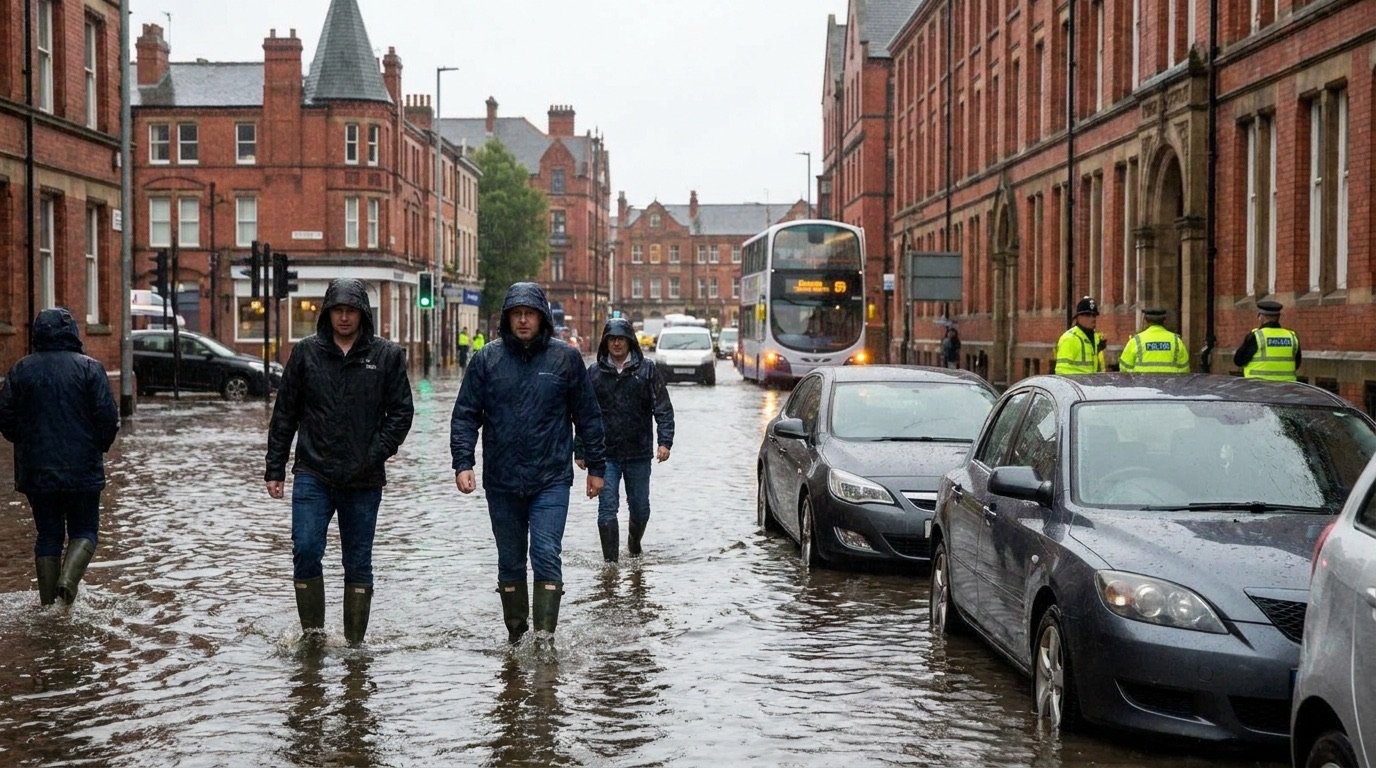
Nigeria is bracing for widespread flooding in 2026, with more than 14,000 communities classified as being at high risk across 33 of the country's 36 states as well as the Federal Capital Territory, the Nigeria Hydrological Services Agency has warned.
The agency said 14,118 communities fell into the high-risk category, while a further 15,597 were considered to be at moderate risk. It expects flooding to peak between July and September, coinciding with the height of the rainy season, which typically runs from April to October and brings the heaviest and most sustained downpours of the year.
The early warning forms part of an annual outlook intended to give state authorities, local communities and emergency planners time to prepare before the waters rise. Officials have urged governments at all levels to clear drainage channels, identify safe relocation sites and disseminate warnings to those living in the most exposed areas.
Cities and coasts in the firing line
Major urban centres including Abuja, Lagos and Port Harcourt are among those identified as vulnerable, while coastal states such as Bayelsa, Delta and Rivers face heightened exposure to river and tidal flooding. Rapid urbanisation, building on floodplains and inadequate drainage have left many cities ill-equipped to cope with intense rainfall, turning streets into waterways during heavy storms.
Low-lying coastal and delta regions are particularly at risk from the combined effects of river discharge, tidal surges and rising sea levels. The agency noted that this year's risk figures are broadly consistent with previous assessments, indicating that the underlying vulnerabilities driving Nigeria's flood crisis remain firmly in place.
“The 2026 outlook places more than 14,000 communities in the high-risk category across 33 states.”
— Nigeria Hydrological Services Agency forecast
Authorities have set out a series of measures that communities and local governments are being encouraged to take ahead of the peak flood season:
- Clearing blocked drainage channels and waterways before the rains intensify
- Identifying safe ground and relocation sites for vulnerable households
- Strengthening early-warning communication at the community level
- Avoiding new construction on floodplains and natural drainage paths
- Pre-positioning emergency supplies and relief materials in high-risk areas
A pattern of devastating floods
Recent years have brought severe flood events to Nigeria, displacing large numbers of people, destroying farmland and causing hundreds of deaths. Some of the worst flooding in living memory has submerged entire communities, ruined harvests and damaged roads, bridges and homes, with the poorest and most marginalised populations typically bearing the heaviest losses.
The destruction of farmland is a particular concern in a country where agriculture supports millions of livelihoods and is central to food security. Floods that wipe out crops can drive up food prices and deepen hardship long after the waters have receded, compounding the immediate humanitarian toll of displacement and loss of life.
Climate and infrastructure pressures
Scientists have warned that climate change is intensifying rainfall extremes across West Africa, raising the likelihood of more frequent and severe flooding. At the same time, the release of water from dams, both within Nigeria and upstream in neighbouring countries, can sharply increase river levels during periods of heavy rain, adding a transboundary dimension to the country's flood management challenge.
Addressing the threat requires not only better forecasting but sustained investment in drainage, flood defences, land-use planning and the enforcement of building regulations. Without such measures, experts caution, the same communities will continue to face recurrent disaster year after year, regardless of how accurate the early warnings prove to be.
Emergency management officials have stressed that preparation in the weeks before the peak season can dramatically reduce the eventual toll, from pre-positioning relief supplies to rehearsing evacuation plans in the most exposed communities. The challenge, they acknowledge, lies in turning a national forecast into action at the local level, where resources and capacity vary widely from one state to the next.
What happens next
The early warning is intended to give state authorities and residents time to prepare before the waters rise, but its effectiveness will depend on whether communities act on it and whether governments mobilise resources in time. As the rainy season builds toward its July-to-September peak, attention will turn to how well Nigeria's emergency services, local authorities and exposed populations translate the forecast into concrete protective action, and whether this year's flooding can be contained more effectively than in seasons past.
Sources: reporting by News.az.
The NE Times is an independent news and analysis publisher. Our articles combine factual reporting with clearly-written, impartial analysis. Content is for general information and does not constitute professional advice. Disclaimer.
You may also like to read

Europe heatwave smashes records as health and infrastructure buckle
Britain logs its hottest June day and France its hottest day on record, with temperatures near or above 40C triggering red alerts across western Europe.
Venezuelans search the rubble after powerful twin earthquakes kill scores
Rescue teams race through collapsed buildings in Caracas and along the coast as the death toll climbs, hospitals overflow with the injured and the government scrambles to coordinate relief.

What is a heat dome? The high-pressure system behind Europe's scorching spell
As temperatures climb well above seasonal norms across the continent, meteorologists point to a heat dome trapping hot air and straining health services, transport and energy networks.

Forty mayors sign pact to shape how data centres grow in cities
A C40 Cities agreement aims to guide the rapid build-out of AI infrastructure amid mounting concern over power demand, water use and the strain on local communities.