Nobody's Fool: Danny Dyer & Emily Atack's New Game Show
How it works · The game show where being clever isn't the point
Culture & Features Editor ·
Most quiz shows reward the smartest person in the room. Nobody's Fool does something far more mischievous: it rewards the person best at managing what everyone else believes about them. Hosted by the combustible double act of Danny Dyer and Emily Atack, this new format takes the familiar architecture of a game show and bends it into something closer to a psychological experiment — one where intelligence is a card to be played, hidden or bluffed, rather than simply displayed.
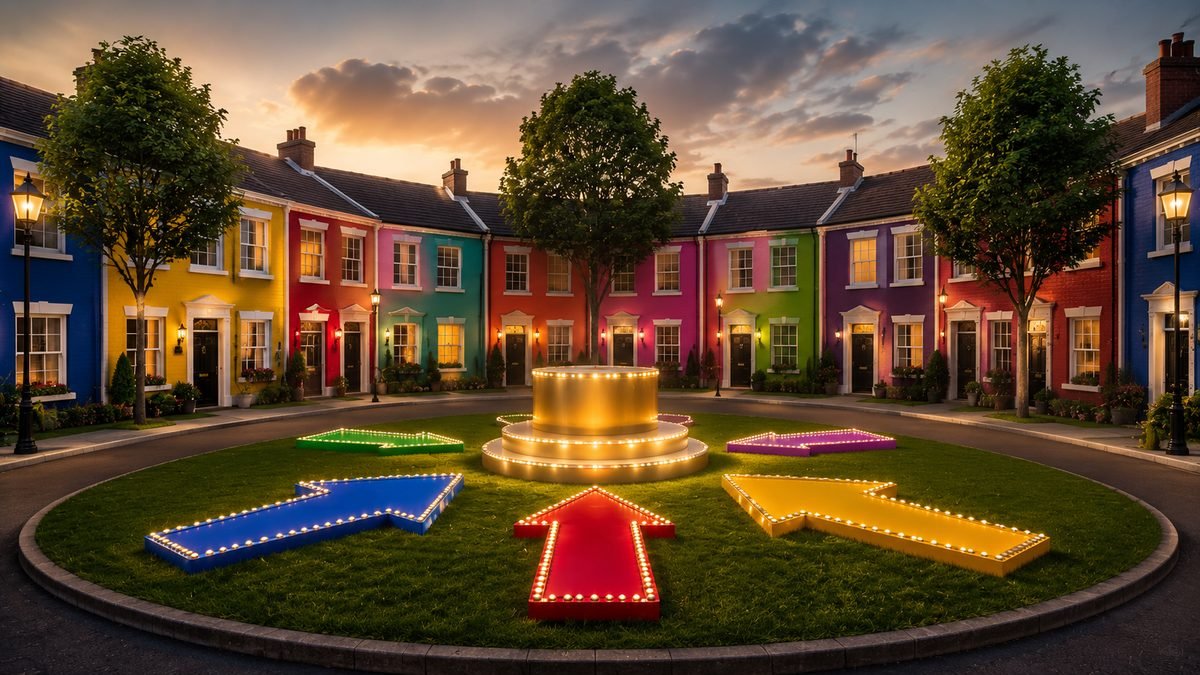
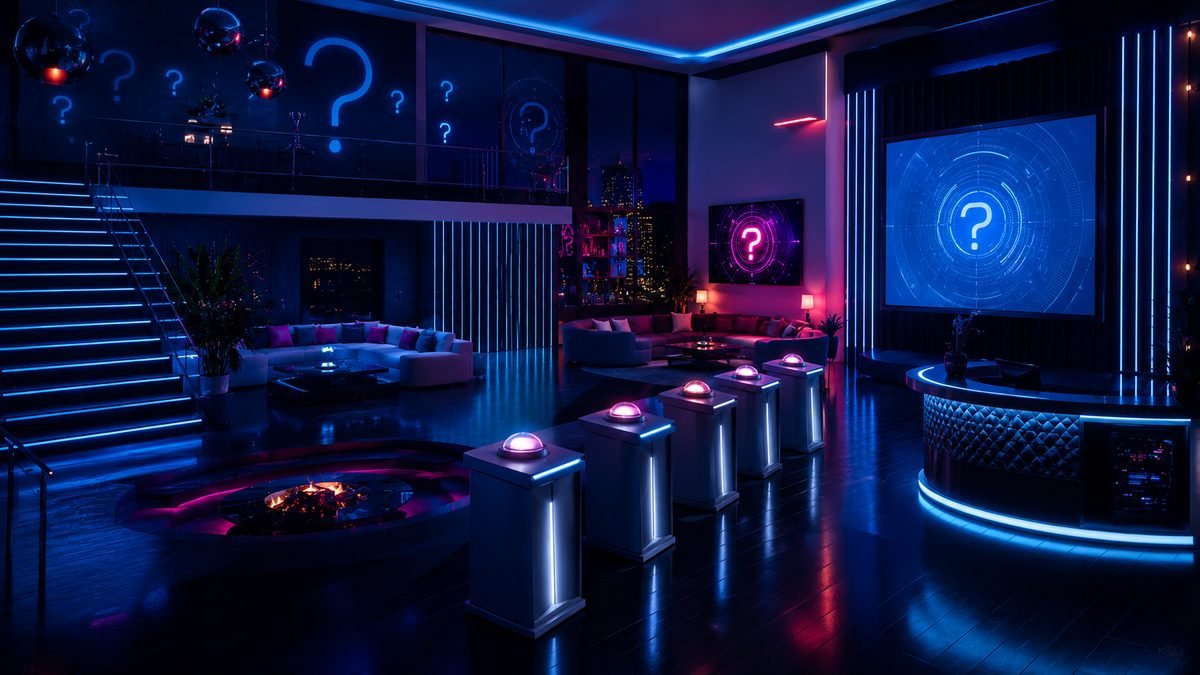
Here is the mechanism. Ten contestants from across the UK move into a distinctive, mischievous "Smart House," where they will live together for the duration of the contest. Each day they take part in individual quizzes designed to test different kinds of intelligence — not just general knowledge, but the various ways a person can be clever. Crucially, those quizzes build a collective prize pot. The group is, in that sense, playing together toward a shared reward.
But then comes the twist that gives the show its name and its edge: only the contestants themselves know how well they have actually performed. Their scores are private. What they choose to reveal — or conceal, or outright fabricate — to their housemates is entirely up to them. The fate of the contestants, as the format's own framing puts it, is decided not by how smart they are, but by how smart their fellow contestants think they are.
That single design choice unlocks a whole world of gameplay. Suddenly, a contestant who bombs a quiz has every incentive to project quiet confidence and imply they aced it. A contestant who scores brilliantly might play dumb to avoid becoming a target. Reputations form on performance, but performance is invisible, so reputations actually form on performance-of-performance. The house becomes a hall of mirrors in which everyone is reading everyone else, trying to separate the genuinely brilliant from the convincingly fraudulent — and trying to decide which of those they would rather be mistaken for.
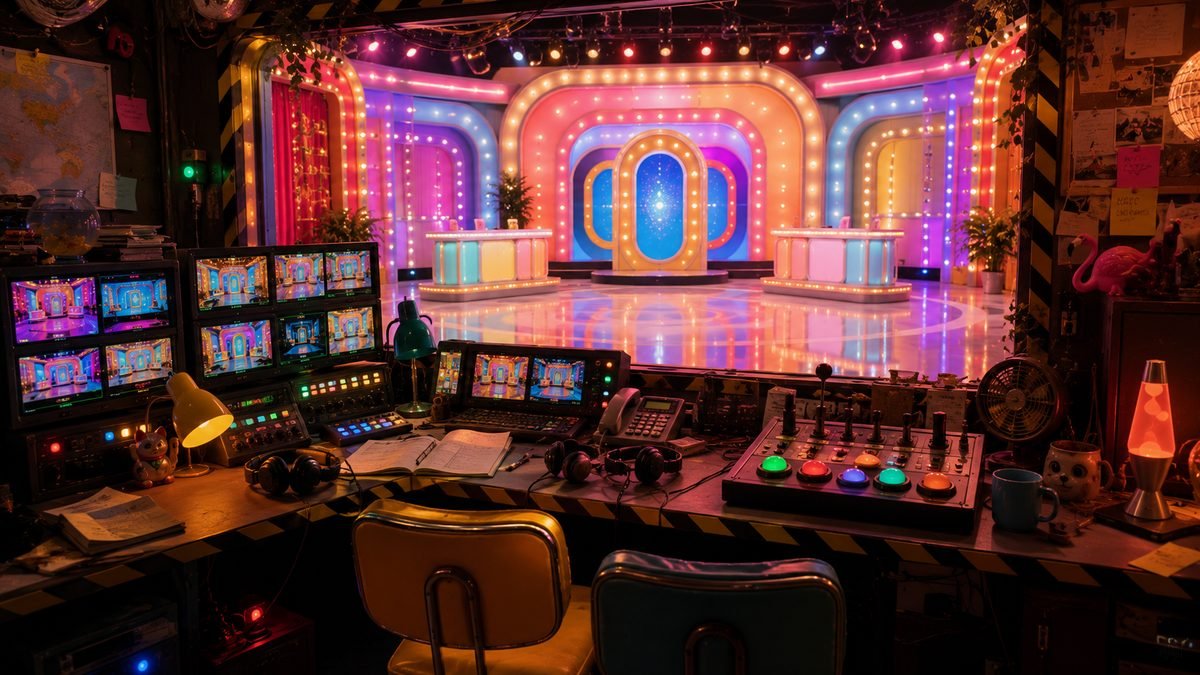
Danny Dyer and Emily Atack preside over the chaos, and the casting of the hosts is itself a statement of intent. Dyer brings streetwise bluntness and a gift for cutting through nonsense; Atack brings quick comic timing and warmth. Together they are less quizmasters than ringleaders, there to stir the pot, needle the contestants and relish the deceptions as they unfold. The show is clearly pitched as an entertainment-first format — the quizzes are the engine, but the drama is the deception.
What makes Nobody's Fool interesting within the crowded reality landscape is how it fuses genres. It has the returning-quiz structure of a game show, the living-together dynamics of a reality house, and the bluffing-and-alliance texture of a social-strategy game like The Traitors. That hybrid quality is very much the flavour of the current moment; audiences have shown a strong appetite for formats where human psychology, rather than pure skill, decides the winner. By making intelligence something to be strategically disguised, the show taps into a genuinely fresh idea: that in the right game, being underestimated — or overestimated — can be more valuable than being right.
The living arrangement matters too. Because the contestants share the Smart House, the mind games do not switch off when the quizzes end. Every meal, every conversation, every casual remark becomes an opportunity to build or manage a reputation. A throwaway comment at breakfast might plant the idea that you are a genius; a moment of visible panic might expose you as a fraud. The house turns the whole day into gameplay, and the pressure of maintaining a persona around the clock is where the format promises to generate its most compelling — and most excruciating — moments.
Strategically, contestants face a constant balancing act. Reveal too much and you hand your rivals ammunition. Reveal too little and you look evasive, which breeds suspicion of its own. Lie boldly and you might get away with it — or get spectacularly caught. The optimal play is not to be the cleverest but to be the most convincingly calibrated, projecting exactly the level of intelligence that serves your position at any given moment. It is a game of self-presentation as much as knowledge.
Whether Nobody's Fool becomes a returning fixture will depend on execution — on whether the casting produces the right mix of bluffers, over-thinkers and wildcards, and whether the format's central conceit generates enough genuine intrigue to sustain a series. But as a premise, it is sharp and modern. It takes the oldest question a quiz show can ask — how clever are you? — and replaces it with a far trickier one: how clever can you convince everyone else you are? In the Smart House, the honest answer to the first question is a secret. The answer to the second is the entire game.
Filed under Reality TV · Written by Sophie Bennett