Osaka stuns Sabalenka at Wimbledon and reopens the grass-court conversation
Naomi Osaka's 6-2, 7-6 defeat of the top seed sends her into a first Wimbledon quarter-final — and forces a rethink of her relationship with grass.
Daniel Fletcher
Writer ·
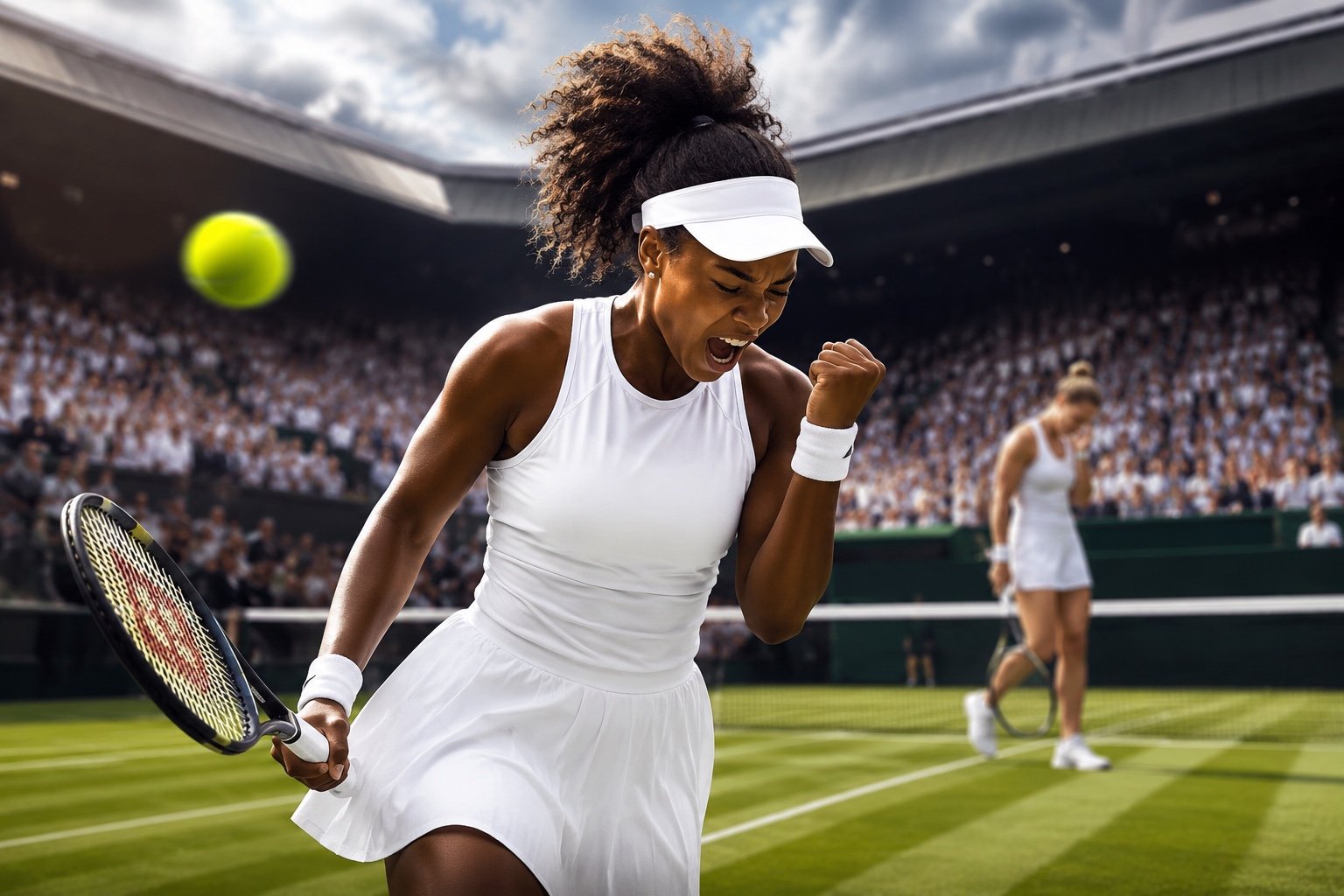
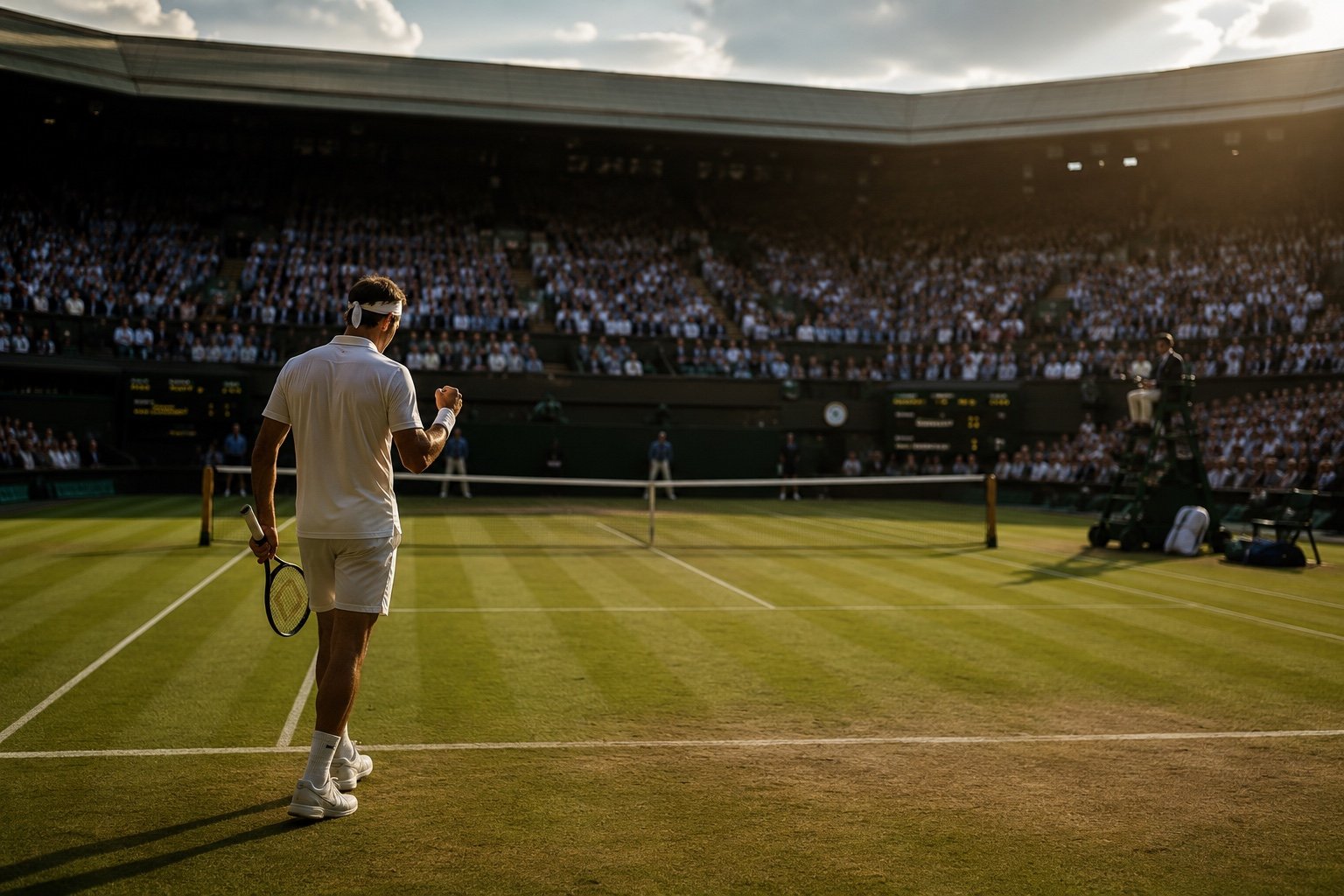
Wimbledon thrives on the moment a familiar hierarchy suddenly looks unstable. On day seven it arrived on Centre Court, where Naomi Osaka beat top seed Aryna Sabalenka 6-2, 7-6 to reach her first Wimbledon quarter-final — a performance the Guardian's live coverage described as outstanding, with Sabalenka leaving quickly and Osaka savouring the occasion.
Why it matters
The scoreline is the substance. This was not a narrow escape built on one loose service game: Osaka took the first set emphatically, then held her nerve when the second tightened into a tiebreak. Against Sabalenka's power that combination suggests clarity, not luck. There was a psychological dimension too — Sabalenka's game is designed to make opponents feel rushed before the rally begins, and by winning the first set so cleanly Osaka inverted the intimidation, forcing the top seed into a chase she never controlled.
The bigger picture
The result challenges the lazy version of the Osaka story, which files her under hard courts and past major titles while treating grass as foreign territory. In truth the surface can reward her best qualities when timing clicks: a heavy serve, early ball-striking and first-strike tennis played without overcomplication. Modern grass-court success is less about serve-and-volley nostalgia than about shortening swings, taking returns early and choosing targets — hitting early rather than merely hitting hard. Osaka's win was a demonstration of exactly that discipline. The draw benefits, too. Upsets drain a tournament when they strip out recognisable contenders, but they energise it when the winner carries star power and a compelling question. Osaka brings both: a former major champion trying to expand her surface identity at the venue that has resisted her longest.
The counter-view
Sabalenka's exit should not be inflated into a collapse. Grass punishes small dips brutally, and a top seed can be in strong form yet find no rhythm against an opponent striking cleanly and conceding little. Nor is the tournament suddenly Osaka's to lose: quarter-finals bring adjusting opponents, rising media temperature and the physical cost of an emotional statement win.
What happens next
Osaka's quarter-final will show whether this level is sustainable across the second week — whether the serve holds its authority in tighter matches and Centre Court energy remains fuel rather than noise. Her win does not answer every question about her campaign, but it poses a far better one than before: if this version of her game is real on grass, how far can it travel?
Sources: reporting by The Guardian.
The NE Times is an independent news and analysis publisher. Our articles combine factual reporting with clearly-written, impartial analysis. Content is for general information and does not constitute professional advice. Disclaimer.
You may also like to read
Osaka Stuns Sabalenka as Djokovic Passes Federer: Wimbledon's Day Seven Shifts the Draw
Naomi Osaka's straight-sets win over top seed Aryna Sabalenka and Novak Djokovic's record 106th Wimbledon victory made day seven the fortnight's pivot.
Alexandra Eala Stuns Swiatek at Wimbledon — and Rewrites the Map of the Women's Draw
Alexandra Eala's 7-6 (9), 6-2 defeat of defending champion Iga Swiatek makes her the first Filipina in a Wimbledon fourth round and blows the draw open.
Arthur Fery's Wimbledon run is the British story this fortnight needed
The British wild card beat Zizou Bergs in five sets to reach the Wimbledon fourth round — a home storyline built on resilience rather than hype.
Djokovic's Record 66th Major Quarter-Final Was Earned, Not Collected
Novak Djokovic beat qualifier Roman Safiullin in four sets on Wimbledon day seven to reach a record 66th Grand Slam quarter-final — and had to work for it.