Foreign Tongues: the Rolling Stones make longevity itself the story
At nearly 83, Jagger and Richards frame the Stones' 25th album as a working record, not a monument — Andrew Watt producing, Paul McCartney guesting.
Sophie Bennett
Writer ·

The surface story is familiar enough to write itself: the Rolling Stones, both frontmen nearing 83, are back with a 25th studio album. The more interesting story, on the evidence of The Times's reporting around Foreign Tongues, is how deliberately the band is refusing to treat the record as a farewell exhibit.
What happened
According to the coverage, Foreign Tongues was made quickly in a small London studio, with Andrew Watt — the producer who has become the industry's go-to translator of veteran acts for contemporary ears — shaping the sessions. The album reportedly carries contributions from the late Charlie Watts and a cameo from Paul McCartney, plus a tribute to Amy Winehouse, while the interviews describe a warmer working relationship between Mick Jagger and Keith Richards than the frictions that once defined the band's internal weather. No tour has been confirmed alongside it.
Why it matters
A 25th Stones album has to compete with the band's own past before it competes with anything else — in a market run on algorithms, short-form video and anniversary reissues, the catalogue is both asset and shadow. The details here suggest a band answering that pressure through craft rather than spectacle: studio speed, trusted collaborators and an acceptance, in Jagger's reported framing, that universal approval is no longer the point. Watt's role is telling — not to make the Stones sound young, which would be a false target, but to make the sessions feel immediate.
The bigger picture
Legacy releases usually arrive dressed as final statements, with the artist curating the museum before anyone has heard the record. This one reads lighter, and that lightness is a strategy. The Winehouse tribute underlines that influence runs in both directions across generations; the absence of a confirmed tour, disappointing as it is for fans, lets the album be received as music rather than as marketing for a stadium itinerary. And the mellowing of the Jagger-Richards relationship is itself artistic material — creative survival at this length is less about riffs than about continuing to make decisions with people who know too much about you.
What happens next
Foreign Tongues now becomes a test case for whether rock's most durable institutions can still behave like bands rather than brands. If it succeeds, it will not be because the Stones escaped their history, but because they made it move again — and the industry's other legacy acts, watching a late-career record framed around curiosity rather than commemoration, will take notes.
Sources: reporting by The Times.
The NE Times is an independent news and analysis publisher. Our articles combine factual reporting with clearly-written, impartial analysis. Content is for general information and does not constitute professional advice. Disclaimer.
You may also like to read
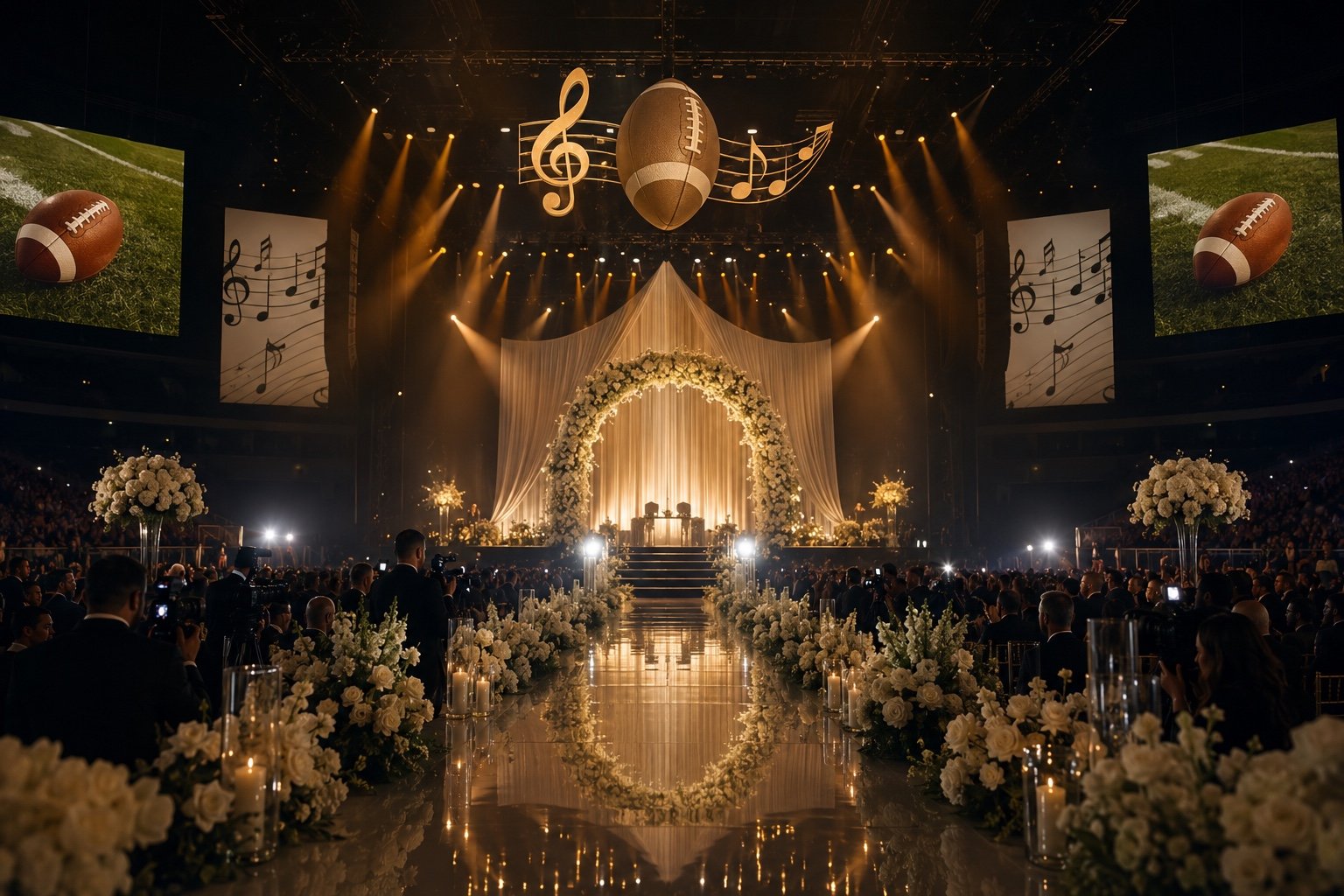
Swift and Kelce Marry at Madison Square Garden — and Redraw the Map of Celebrity News
Taylor Swift and Travis Kelce's Madison Square Garden wedding, officiated by Adam Sandler, shows how pop, sport and fandom now share one attention economy.
Backrooms Goes Home: The Viral Horror Hit Faces Its Streaming Audit
A24's $81.5m internet-born horror phenomenon arrives on premium VOD on 7 July — the next test of whether viral fandom can outlast the opening weekend.

Minions Edge Toy Story in a July Fourth Weekend That Reveals the Market's New Rules
Minions & Monsters topped the US chart with $36.4m over Toy Story 5's $31m — a win with caveats in a tighter, more international summer box office.

Why Seth Rogen and Olivia Wilde Shouting at Each Other Is Good News for Grown-Up Comedy
Ahead of The Invite's 10 July expansion, Rogen and Wilde's combative screen chemistry makes the case for the endangered adult chamber comedy.