Record Russian drone barrage hits Ukraine as direct talks stall
A large-scale overnight assault struck Kyiv, Dnipro and Kharkiv as the Kremlin rejected Ukrainian offers for direct negotiations and European leaders pressed for a just and lasting peace.
Marcus Reeve
Writer ·
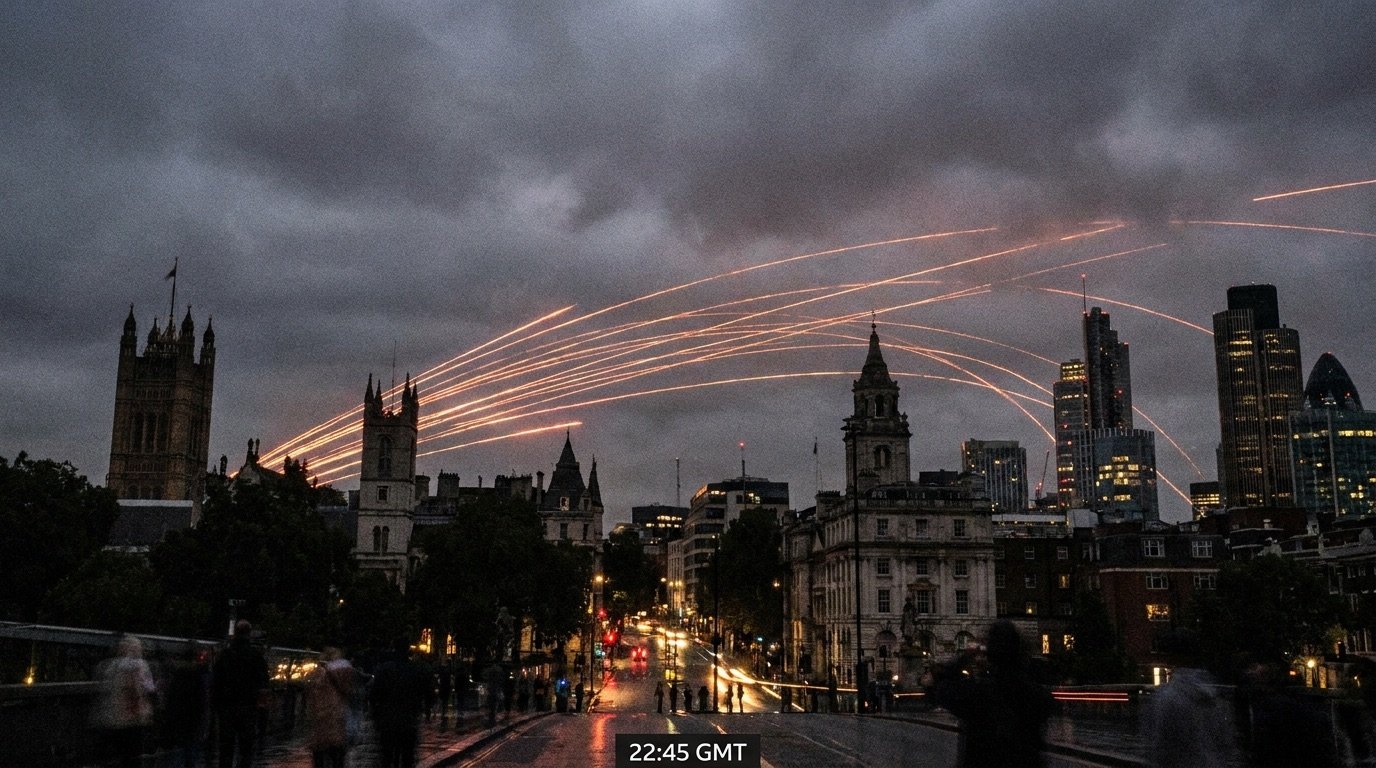
Russia launched another large-scale wave of drones and missiles against Ukraine overnight from 14 to 15 June, heavily targeting Kyiv, Dnipro and Kharkiv, in one of the most intense barrages of recent weeks. The assault underscored how far the battlefield reality remains from the diplomatic overtures being floated in European capitals.
The strikes came as the Kremlin signalled continued intransigence over negotiations, rejecting an offer from Ukrainian President Volodymyr Zelenskyy for direct talks and maintaining what analysts describe as maximalist war aims. The contrast between Ukraine's stated willingness to negotiate and Russia's posture on the ground has become a defining feature of the conflict's current phase.
Strikes on the cities
The overnight attack concentrated on major urban centres, a pattern that has become grimly familiar over the course of the war. Ukrainian air defences were activated across multiple regions as drones and missiles targeted infrastructure and populated areas.
On the ground, Russian forces have continued to press in places, with reported advances in northern Sumy Oblast. Analysts at the Institute for the Study of War have tracked incremental Russian gains even as Moscow shows no sign of relenting on its broader objectives.
“The Kremlin continues to pursue maximalist aims and demonstrates a total intransigence to negotiate.”
— Institute for the Study of War assessment
Diplomacy at an impasse
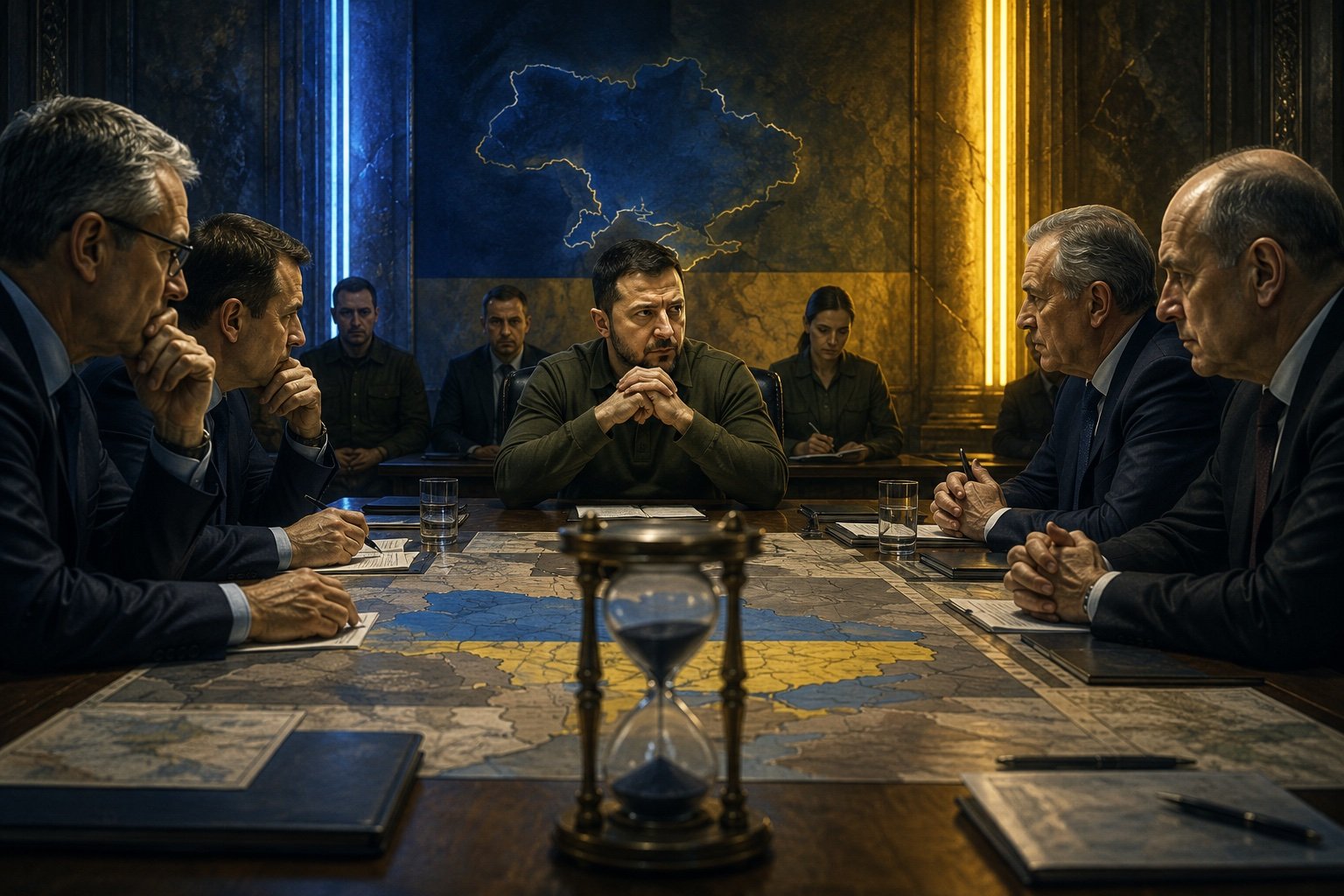
Earlier in the month, the leaders of the United Kingdom, France and Germany issued a joint statement with President Zelenskyy setting out conditions for what they called a just and lasting peace. Zelenskyy has said he is willing to freeze the front line and resume negotiations, and reported using an intermediary to convey that message to Moscow.
Those overtures have so far been rebuffed. President Vladimir Putin rejected the offer for direct negotiations, leaving European efforts to broker a settlement without a clear path forward. The gap between the diplomatic language of capitals and the violence of the nightly strikes has rarely looked wider.
- Large-scale drone and missile strikes overnight 14-15 June
- Kyiv, Dnipro and Kharkiv among the cities targeted
- Reported Russian advances in northern Sumy Oblast
- UK, France and Germany issued a joint statement with Zelenskyy on peace conditions
- Putin rejected Ukraine's offer for direct negotiations
Information warfare
Alongside the kinetic campaign, analysts have flagged increasingly sophisticated Russian information operations. Among recent examples cited are AI-generated videos purporting to show flag-raisings, used to fabricate claims of tactical successes in contested areas.
Such tactics complicate the task of verifying battlefield developments and add a layer of disinformation to an already contested narrative, with both sides keenly aware that perceptions of momentum carry political weight.
Background
Russia's full-scale invasion of Ukraine began in February 2022 and has settled into a grinding war of attrition punctuated by intensive long-range strike campaigns. European governments have backed Ukraine with weapons, funding and diplomatic support, while repeated attempts at negotiation have foundered on incompatible demands. The EU's own summit this month is again expected to take up the question of continued support for Kyiv.
The use of mass drone attacks, combining cheap loitering munitions with cruise and ballistic missiles, has become a central feature of Russia's strategy, straining Ukrainian air defences and civilian resilience alike.
Reporting indicates Zelenskyy recently met an intermediary acting on Ukraine's behalf to relay its openness to freezing the front line, an unusual channel that underlines how conventional diplomatic routes have narrowed. That such back-channels are being used at all speaks to the difficulty of arranging any direct contact between the two sides at the leadership level.
What happens next
With Moscow rebuffing direct talks and strikes continuing, a near-term breakthrough looks unlikely. European leaders are expected to keep pressing their framework for peace while sustaining support for Ukraine, but the immediate outlook is for more of the same: nightly barrages, incremental ground fighting and a diplomatic track that exists largely on paper. The coming weeks will test whether outside mediation can gain any traction, or whether the war settles further into stalemate.
The EU summit in Brussels this month is again expected to take up support for Kyiv, and the continued resilience of Ukrainian air defences will depend heavily on the steady supply of interceptors and equipment from partners. For Ukrainians living under the nightly threat of strikes, the gap between diplomatic statements and lived reality remains the defining feature of this stage of the war.
Sources: reporting by Kyiv Post / ISW.
The NE Times is an independent news and analysis publisher. Our articles combine factual reporting with clearly-written, impartial analysis. Content is for general information and does not constitute professional advice. Disclaimer.
You may also like to read
European Leaders Prepare Strong Ukraine Message Before NATO Summit
European allies aim to signal renewed unity on Ukraine ahead of the NATO summit in Ankara, as Trump praises Zelenskyy's resilience against Russia.
Ukraine says long-range strikes hit Russian gas plant and satellite sites
Kyiv widens its campaign against infrastructure it describes as supporting Moscow's war effort, targeting energy and space-linked facilities.
Ukraine Says Russia Is Shifting Air Defences After Drone Strikes
Kyiv claims Moscow is redeploying systems towards the capital, Valdai and the Kerch Bridge, citing the strain caused by its long-range strike campaign.
Kyiv warns its ceasefire patience is not endless as war passes grim milestone
Ukraine has signalled that its offer of a full and unconditional ceasefire may not stay on the table indefinitely, raising the pressure on diplomacy and on Moscow's response.