UK car output set to rebound in 2026 after bruising year, says SMMT
The motor industry body expects production to climb back towards 800,000 units this year, helped by new electric models and a multi-billion-pound investment drive.
Rajan Mehta
Writer ·

Britain's car manufacturing sector is poised for a recovery in 2026 after a punishing run of declines, according to the Society of Motor Manufacturers and Traders, which expects output to rise back towards 800,000 vehicles this year.
The forecast follows a steep fall in 2025, when production dropped around 15% to roughly 755,000 units, dragged down by global economic uncertainty, trade protectionism and the retooling of plants for new models. Commercial vehicle output was especially weak, while car production held up better.
While a return towards 800,000 units would still leave output well below the levels seen before the pandemic, the SMMT framed the forecast as evidence that the worst may be over and that years of investment are beginning to bear fruit.
Electric shift gathers pace
A bright spot has been the continued move to electrified vehicles. Battery electric, plug-in hybrid and hybrid models accounted for a record share of total UK output, underscoring how central the green transition has become to the industry's future. New electric models, including next-generation production in Sunderland, are expected to underpin the rebound.
The transition is reshaping not just the vehicles rolling off production lines but the entire supply chain behind them. Investment in battery manufacturing, electric drivetrains and the skills needed to build them has become the key battleground for securing the sector's long-term future in the UK.
“Global economic uncertainty and trade protectionism have taken their toll on automotive production across the globe, with the UK no exception.”
— Mike Hawes, chief executive of the SMMT
Securing domestic battery production is widely seen as essential, both to meet the rules of origin requirements in trade agreements and to anchor vehicle assembly in the UK. Without nearby gigafactories, carmakers face higher costs and the risk that future investment migrates elsewhere.
Headwinds remain
Despite the brighter forecast, the industry continues to face a daunting set of challenges. The factors weighing on output and investment decisions include:
- High energy costs, which make the UK an expensive place to run energy-intensive factories
- Trade protectionism and the threat of tariffs in key export markets
- The cost and complexity of retooling plants for electric production
- Competition for investment from rival countries offering generous incentives
- Uncertain consumer demand for electric vehicles amid affordability concerns
The sector also remains heavily reliant on exports, which makes it especially sensitive to trade policy and the health of overseas economies. Any escalation in protectionism among major trading partners would quickly feed through to UK production schedules.
Demand for electric vehicles, while growing, has not always kept pace with the industry's ambitions. Higher purchase prices, patchy charging provision and consumer caution have slowed the transition in some markets, leaving manufacturers to balance the cost of building electric capacity against uncertain near-term sales. Striking that balance, the SMMT acknowledged, is one of the trickiest judgements facing the sector.
Investment underpins recovery
The body said the foundations for recovery were in place, pointing to significant public and private investment committed to the sector, including the government's DRIVE35 programme under its industrial strategy. With the right conditions, it suggested annual output could approach one million vehicles by 2027.
“The investment now flowing into electric models and battery capacity is what will determine whether the UK remains a serious carmaking nation.”
— An automotive industry analyst
Background
UK car manufacturing has contracted significantly over the past decade, buffeted by the uncertainty surrounding Britain's departure from the European Union, the pandemic, semiconductor shortages and the costly shift to electrification. Output is now a fraction of its peak, and the industry has been lobbying hard for support to remain competitive against heavily subsidised rivals in Europe, Asia and North America.
What happens next
The forecast rebound depends on stable trading conditions, continued investment and steady demand for the new electric models entering production. The SMMT will be watching energy prices, trade negotiations and the rollout of charging infrastructure closely. If the supportive conditions hold, the sector believes it can build towards the symbolic milestone of a million vehicles a year; if they falter, the recovery could prove fragile.
Sources: reporting by SMMT.
The NE Times is an independent news and analysis publisher. Our articles combine factual reporting with clearly-written, impartial analysis. Content is for general information and does not constitute professional advice. Disclaimer.
You may also like to read

Nissan pauses electric Qashqai plan at Sunderland, clouding UK car transition
A decision to halt plans for an electric version of its flagship model as part of wider restructuring has reignited questions over investment, supply chains and Britain's shift to electric vehicles.
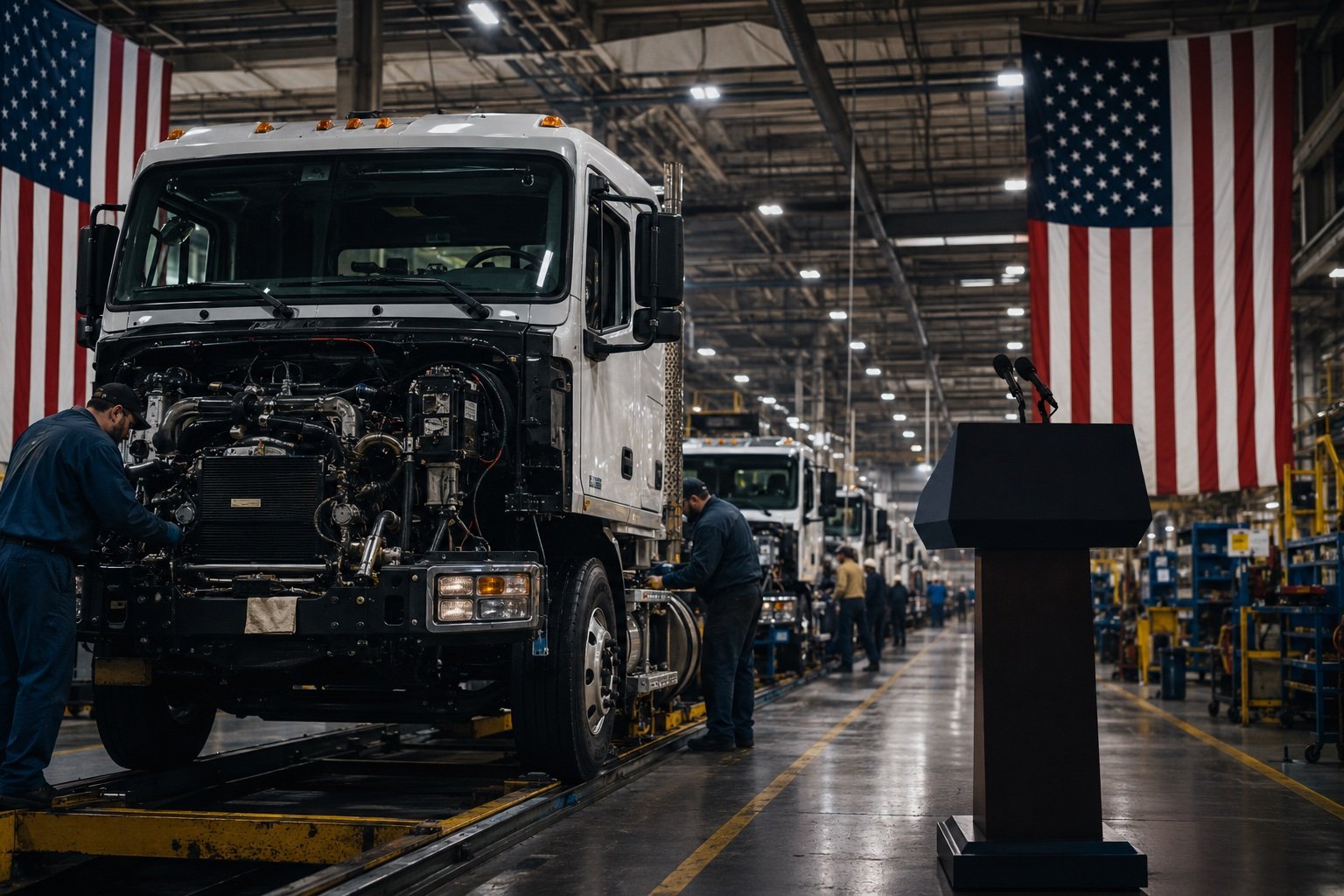
Trump pivots to the economy with Pennsylvania truck-plant visit after Iran diplomacy
A stop at a Mack Truck facility put manufacturing and jobs back at the centre of the president's messaging, returning a key battleground state to the political spotlight.

EV charger grants boosted to £500 as public charging network passes 88,500 points
The Government has increased grants towards home and workplace EV chargers and is pumping fresh funding into the public network, as Britain's switch to electric vehicles gathers pace outside London.

The Quiet Studio That Keeps Winning: Inside Illumination's Minions Economics
With Minions & Monsters out and Mario the year's only billion-dollar film, Illumination's low-cost, globally legible formula is Hollywood's model to beat.