US Supreme Court limits damages over Rastafari inmate's cut dreadlocks
Justices condemned the shaving of Damon Landor's hair but ruled that federal religious-rights law did not allow him to claim money damages from prison officials.
Marcus Reeve
Writer ·
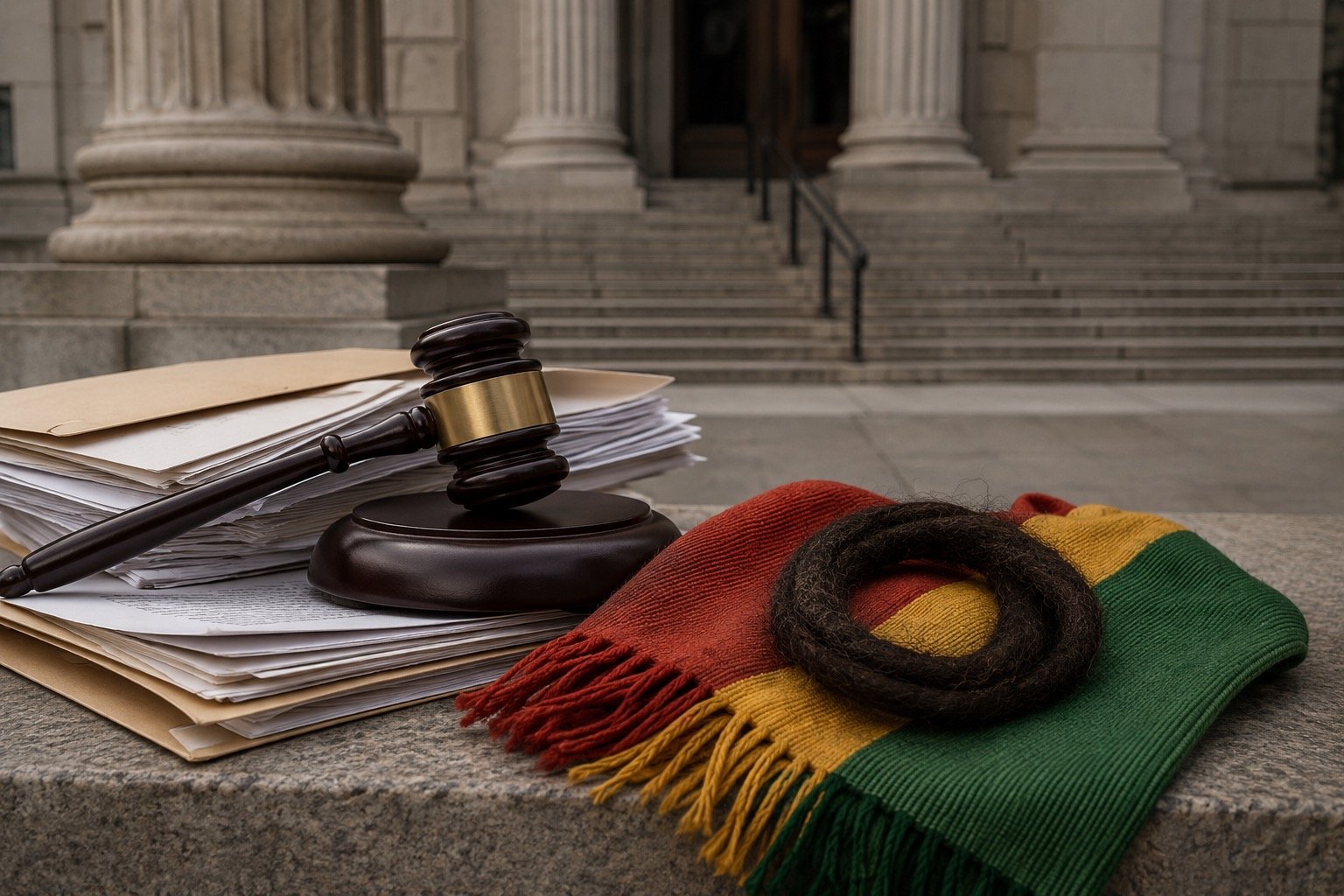
The US Supreme Court has ruled that a former Louisiana inmate could not seek money damages from prison officials who cut his dreadlocks despite his Rastafari religious beliefs.
The Associated Press reported that the justices condemned what happened to Damon Landor but found that the federal religious-rights law did not permit damages claims against individual officials.
Background
Landor's hair was shaved while he was in custody, an act the court did not defend, even as it concluded that the statute relied upon offered no route to financial compensation.
The ruling turns on the limits of how religious-freedom protections can be enforced against state officials, rather than on whether his rights were respected.
What happens next
Louisiana has since changed its grooming policy, a practical shift that follows the high-profile case even as the legal remedy was denied.
Civil-liberties advocates are likely to press for clearer statutory routes to redress, arguing that condemnation alone offers little protection to those affected.
Sources: reporting by Associated Press.
The NE Times is an independent news and analysis publisher. Our articles combine factual reporting with clearly-written, impartial analysis. Content is for general information and does not constitute professional advice. Disclaimer.
You may also like to read
US judge bars immigration arrests at courthouses
A federal judge has blocked a Trump administration policy that allowed immigration officers to detain people attending court hearings.

Ezra Jin's Release Puts Quiet Diplomacy and China's House Churches Back in Focus
The Zion Church founder has been released from prison in China and reunited with his family in the US, in a rare case that tests case-by-case diplomacy.
Supreme Court Immigration Rulings Hand Trump a Run of Wins
A series of decisions touching temporary protected status and asylum has strengthened the White House's hand and reignited the row over executive power.
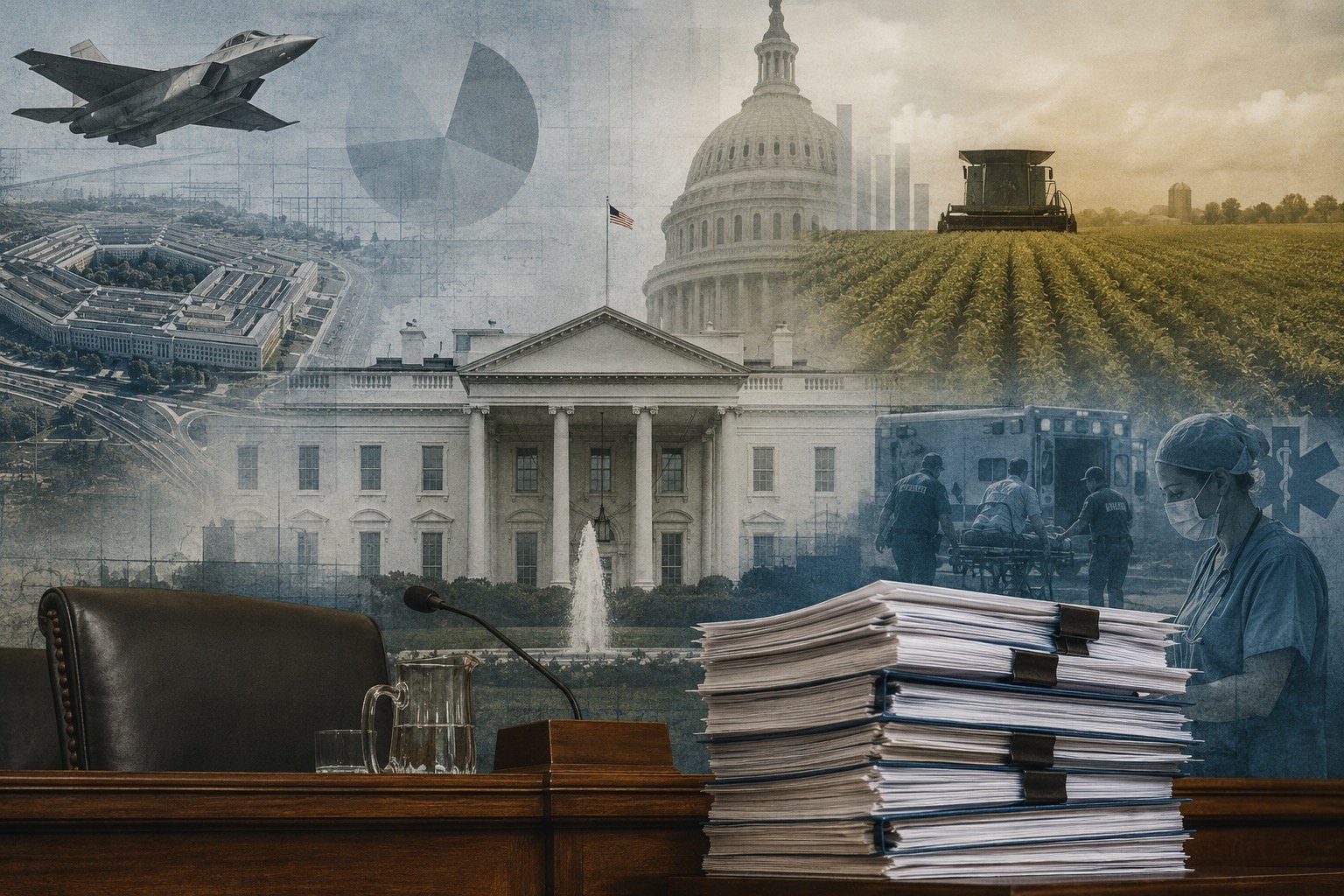
White House Asks Congress for Tens of Billions in Iran War Spending
A funding request reported at $87.6bn bundles money tied to the Iran conflict with military readiness and domestic priorities.