Taiwan launches combat-readiness drills amid sustained regional pressure
The island has begun a new round of exercises designed to test military readiness, civil coordination and rapid response, as tension in the Taiwan Strait keeps deterrence at the centre of regional security debate.
Marcus Reeve
Writer ·
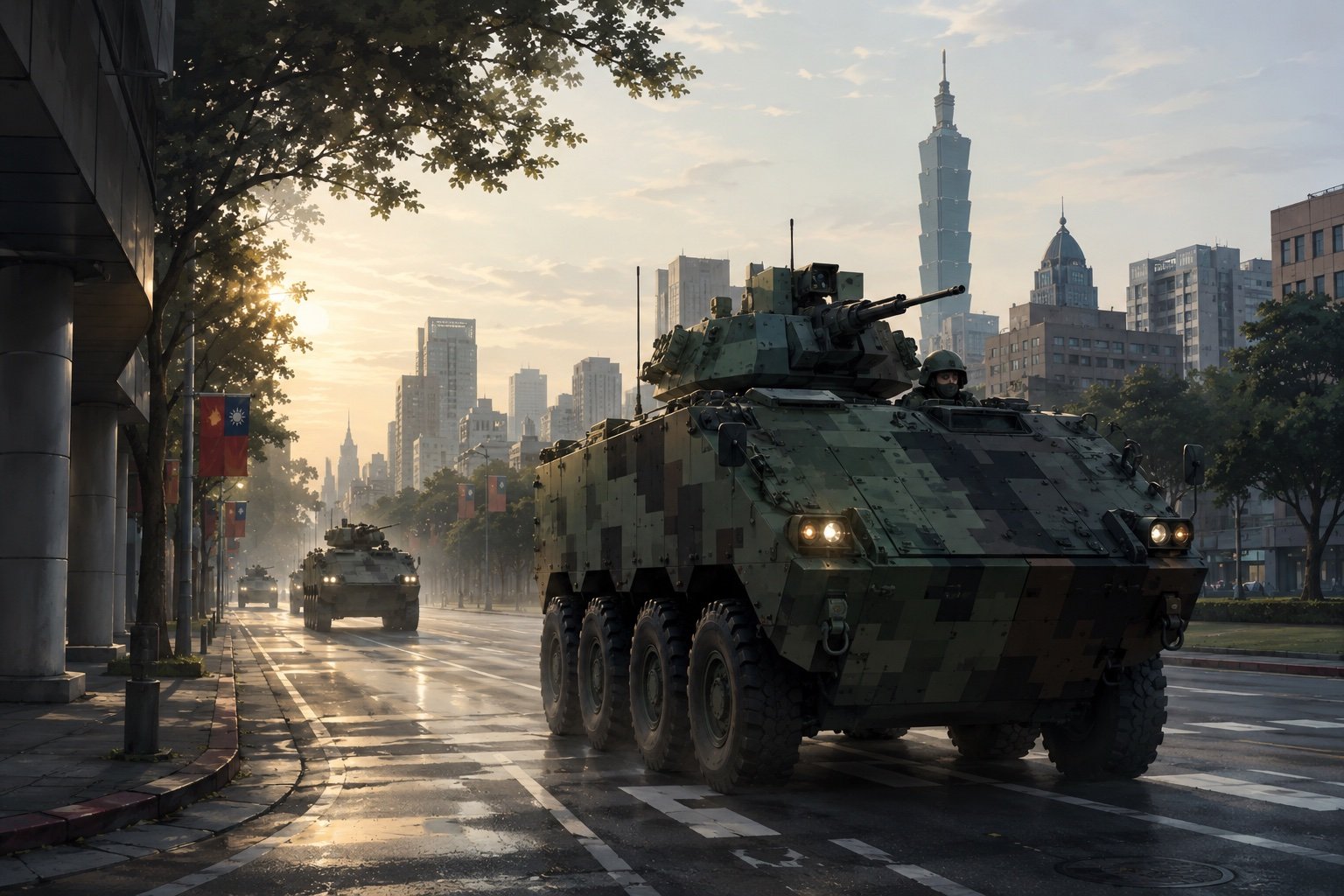
Taiwan has begun a new round of military drills intended to test readiness, civil coordination and rapid response. The exercises come amid continued pressure from China and broader regional concern about deterrence in the Taiwan Strait, one of the most closely watched flashpoints in global security.
The drills are designed to rehearse how the island's forces and civilian institutions would react under sustained strain, emphasising not just front-line military capability but the resilience of the systems that keep a society functioning during a crisis. That whole-of-society approach reflects lessons drawn from conflicts elsewhere.
By staging the exercises openly, Taiwan is also sending a signal of preparedness, aiming to reassure its own population and demonstrate resolve to partners and potential adversaries alike.
Testing more than the military
Modern readiness exercises increasingly look beyond troops and hardware to the civilian backbone of a country: communications, energy, logistics and emergency services. The aim is to ensure that essential functions can withstand disruption and that coordination between military and civil authorities holds up under pressure.
Rapid-response scenarios test how quickly forces can mobilise and how effectively information flows in a fast-moving situation. Weaknesses exposed in a drill can be addressed before they matter, which is precisely the point of running them in peacetime.
- The exercises rehearse rapid mobilisation and military readiness.
- Civil coordination and the resilience of essential services are central to the drills.
- Openly staged exercises serve as a signal of preparedness and resolve.
- The Taiwan Strait remains a focal point for regional and global security concern.
“Deterrence is not only about weapons. It is about showing that a society can absorb a shock and keep functioning.”
A flashpoint with global stakes
The Taiwan Strait carries significance far beyond the island itself. It sits astride vital shipping lanes and is central to the global supply of advanced electronics, meaning any serious disruption would reverberate through the world economy. That reality keeps the region under intense international scrutiny.
For Taiwan, the calculation is about credible deterrence: demonstrating enough capability and resolve to make any coercion costly, while avoiding actions that could be read as provocation. The balance is delicate and constantly tested.
Background
Taiwan governs itself democratically but is claimed by Beijing, which has not ruled out using force to assert control. Periodic Chinese military activity around the island has heightened tension in recent years, prompting Taiwan to invest in readiness, reservist training and civil-defence planning as part of a broader effort to bolster deterrence.
What happens next: observers will assess how the drills are conducted and how Beijing responds, with each cycle of exercises and reactions feeding into the wider, unresolved question of stability across the strait.
Sources: reporting by Associated Press.
The NE Times is an independent news and analysis publisher. Our articles combine factual reporting with clearly-written, impartial analysis. Content is for general information and does not constitute professional advice. Disclaimer.
You may also like to read

China's Fujian Carrier Sails Through the Taiwan Strait
Beijing's newest and most powerful aircraft carrier transited the waterway as Taiwan held military exercises, adding to regional tension.
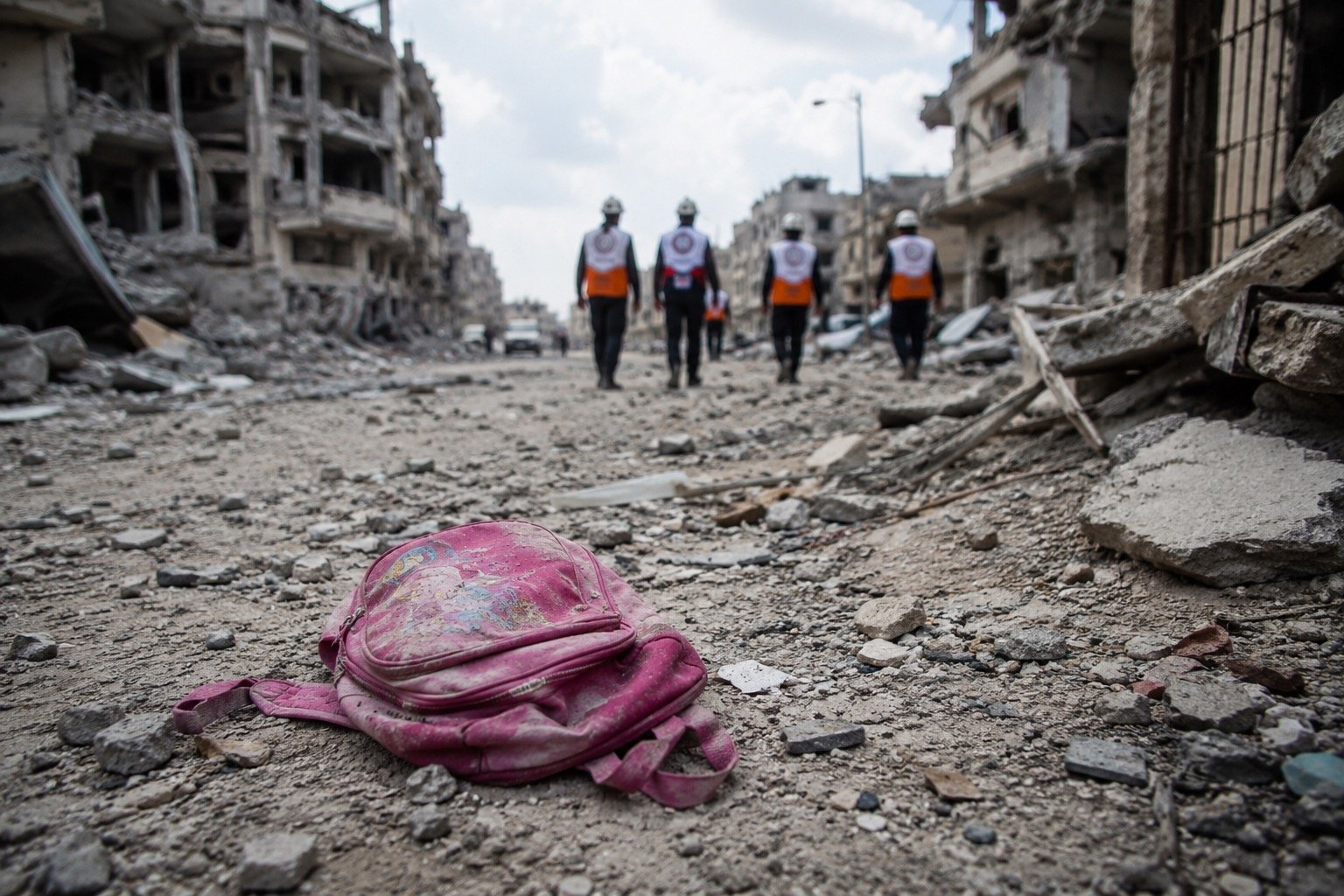
Israeli attacks in Gaza and occupied West Bank kill civilians, including a child
Fresh deaths across both territories deepen humanitarian concern and underline how the two areas remain bound by the same conflict and civilian vulnerability.
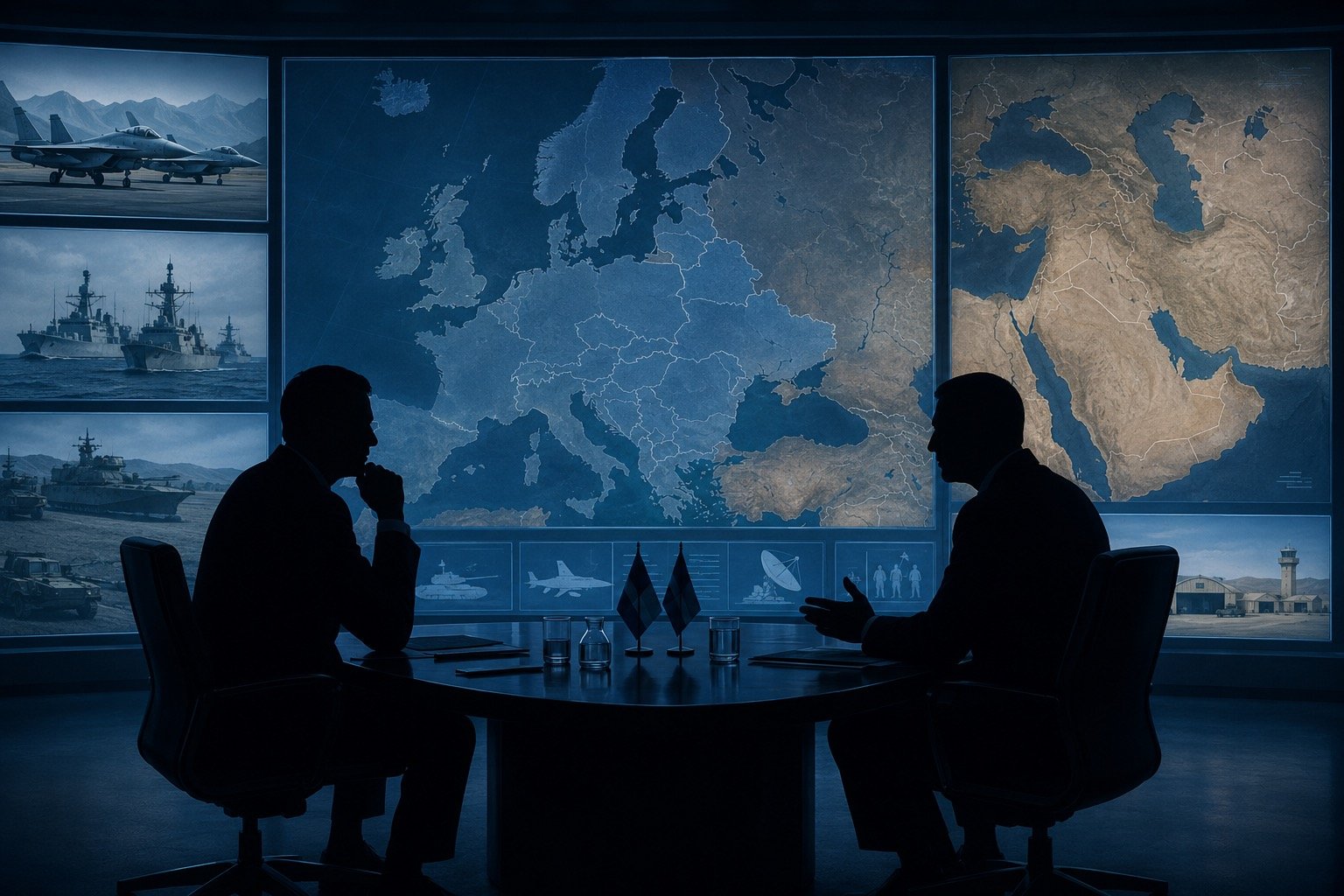
NATO diplomacy tested by Iran war fallout
Summit preparations and senior officials' remarks place defence spending, Middle East instability and transatlantic cohesion under the same spotlight.
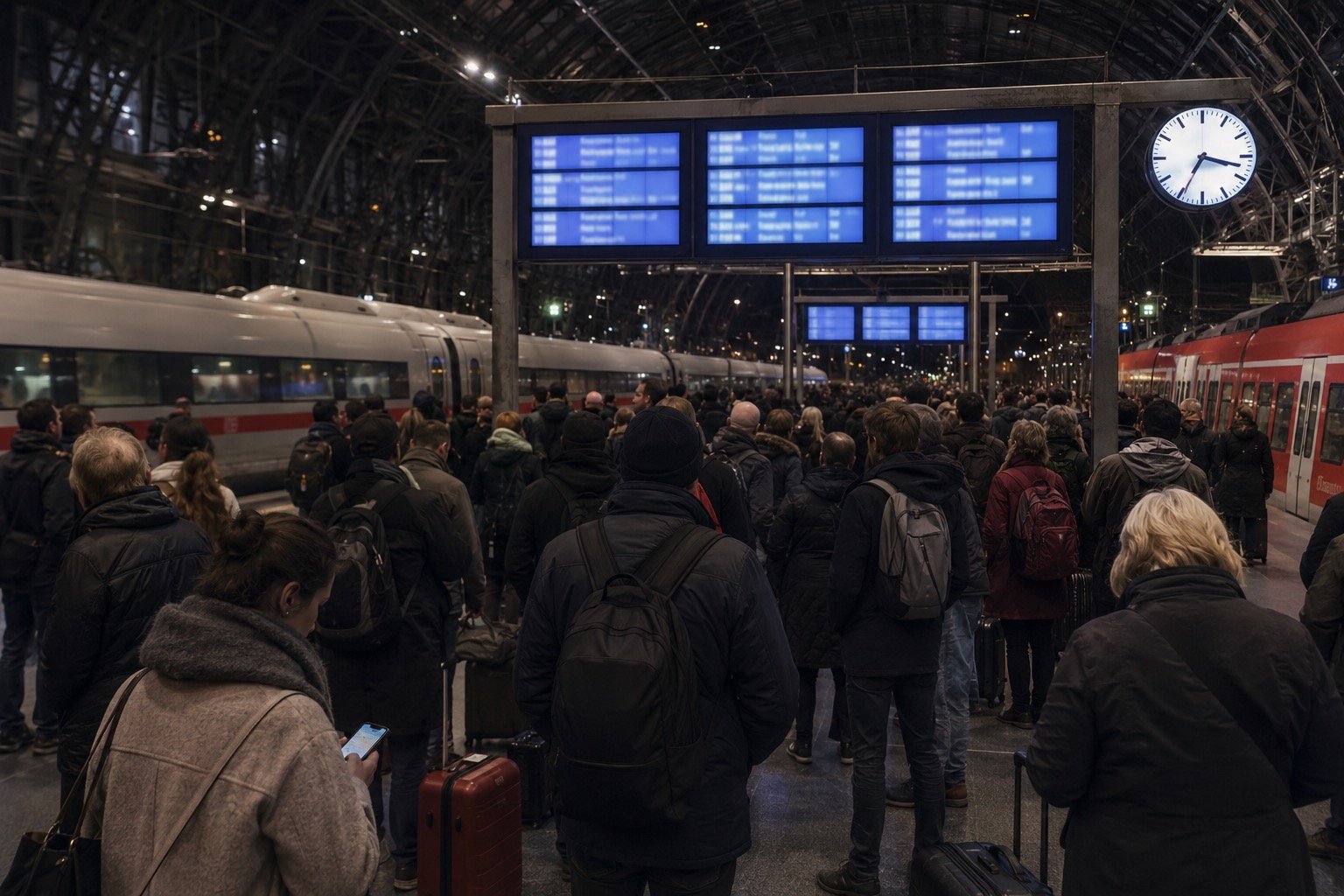
Germany rail outage strands passengers overnight
A nationwide communications fault halted trains across Germany, forcing Deutsche Bahn to hand out taxi and hotel vouchers.