The Taxation (Energy and Vehicles) Bill: What It Means for Drivers and Bills
A new tax bill covering electricity levies, mileage allowances and vehicle excise duty could affect household energy costs and the price of motoring. Here is a plain guide to what is proposed and why.
UK News & Politics Editor ·
Why it's trending
Tax changes on energy and vehicles reach almost every household and business. As the car fleet electrifies and energy policy shifts, how the Treasury raises revenue from driving and power is becoming one of the most consequential debates in fiscal policy.
A bill about how the state raises money
The Taxation (Energy and Vehicles) Bill bundles together several revenue measures, including changes to an electricity levy, mileage allowances and vehicle excise duty. Individually these look technical; together they reflect a bigger question about how government funds itself as the economy decarbonises.
The problem is structural. As drivers switch from petrol and diesel to electric vehicles, fuel duty revenue falls, leaving a growing hole in the public finances. Any government, of any party, has to find a way to replace that money, and this bill is part of the answer.
Vehicle excise duty and the EV transition
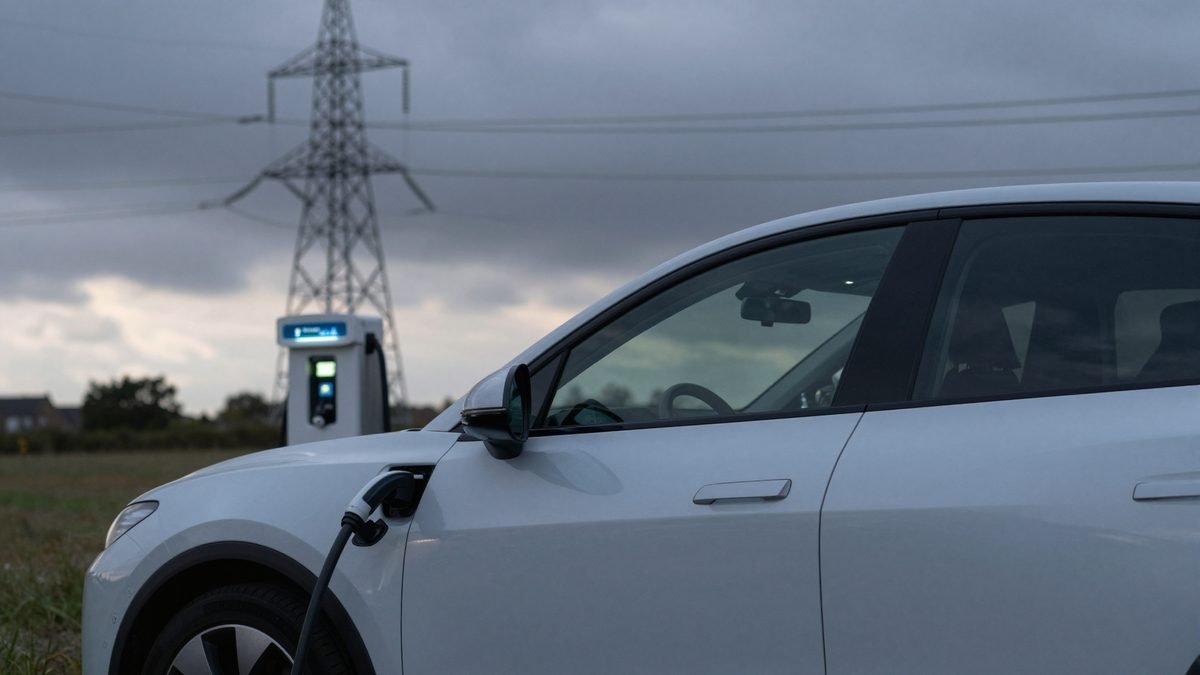
For years, electric vehicles enjoyed favourable tax treatment to encourage take-up. As they become mainstream, that generosity is increasingly hard to justify on cost grounds, and vehicle excise duty rules are being adjusted so that EV owners contribute more than they once did.
This creates a delicate signalling problem. Move too fast and the government risks slowing the switch to cleaner cars it says it wants; move too slowly and it forgoes revenue and fairness between drivers of different vehicles. The bill's detail on rates and thresholds is where that judgement is made.
The electricity levy question
Electricity bills carry a mix of wholesale costs, network charges and policy levies. Adjusting a levy changes what households and businesses pay and how the cost of the energy transition is shared. Even small changes attract attention because energy affordability is such a sensitive political issue.
The core tension is between funding decarbonisation and protecting bill payers, particularly lower-income households for whom energy is a large share of spending. How levies are structured, and whether support is targeted, shapes who bears the burden.
Mileage allowances and everyday costs
Mileage allowances affect employees and volunteers who use their own vehicles for work, from care workers to community nurses. Rates that lag behind real costs effectively erode pay for people who drive as part of their job, which is why updates to these allowances matter more than their technical appearance suggests.
Uprating allowances has a fiscal cost, but failing to uprate them has a human one. The bill's treatment of these rates is a small but telling indicator of how the government weighs headline tax numbers against the finances of working people.
Winners, losers and fairness
Every tax change creates winners and losers, and the politics turn on who they are. Reforms that ask EV drivers to pay more may be defended as fairness between motorists, but they can also be portrayed as penalising early adopters who bought into the green transition in good faith.
Transparency helps. When governments explain the rationale, phase changes in and avoid sudden cliff edges, tax reforms are easier to accept. When changes appear abrupt or arbitrary, they generate backlash out of proportion to the sums involved.
The long-term road-pricing question
Behind the specific measures lies a much larger question that no government has yet resolved: how to tax road use in an age of electric vehicles. As fuel duty declines, some form of road pricing, charging drivers according to distance or time or place, is increasingly discussed as the logical replacement. It is politically explosive, but the fiscal logic is hard to escape.
This bill does not introduce road pricing, but it is part of the slow adjustment that makes the question unavoidable. Every change to vehicle and energy taxation is, in effect, a step in a longer negotiation about how the costs of movement are shared. Governments have repeatedly shied away from the road-pricing debate, but the erosion of fuel duty means it cannot be postponed indefinitely.
Protecting lower-income households
A recurring concern with energy and vehicle taxes is their impact on those least able to absorb higher costs. Rural households often have no alternative to driving, and lower-income families spend a larger share of their income on energy. Changes that look modest in aggregate can fall heavily on particular groups, which is why targeted protections and careful phasing matter.
Well-designed policy can mitigate these effects through rebates, thresholds or support for those most exposed. The alternative, imposing uniform changes regardless of circumstance, tends to provoke backlash and hardship in equal measure. How the bill treats vulnerable and rural households is therefore a key test of whether it is fair as well as fiscally sensible.
What to watch next
As the bill moves through its stages, the figures matter: the exact rates, the timing of changes and any protections for vulnerable groups. Business groups and motoring organisations will scrutinise the impact on costs and investment decisions.
The deeper story is the slow rewiring of how Britain taxes energy and movement. This bill is one step in a transition that will run for years, and the principles it sets, on fairness, predictability and the treatment of clean technology, will echo well beyond a single Finance measure.
Sources & verification
- HM Treasury - taxation policy documents
- Office for Budget Responsibility - fiscal outlook on motoring taxes
- Hansard Society - Parliamentary business, July 2026
Filed under Politics · Written by Eleanor Whitfield
You may also like to read