Trionda World Cup ball under scrutiny as goalkeepers caught out
Research into the Adidas Trionda's flight suggests the ball can enter a drag-crisis regime, leaving keepers struggling to read its pace at the 2026 World Cup.
Daniel Fletcher
Writer ·
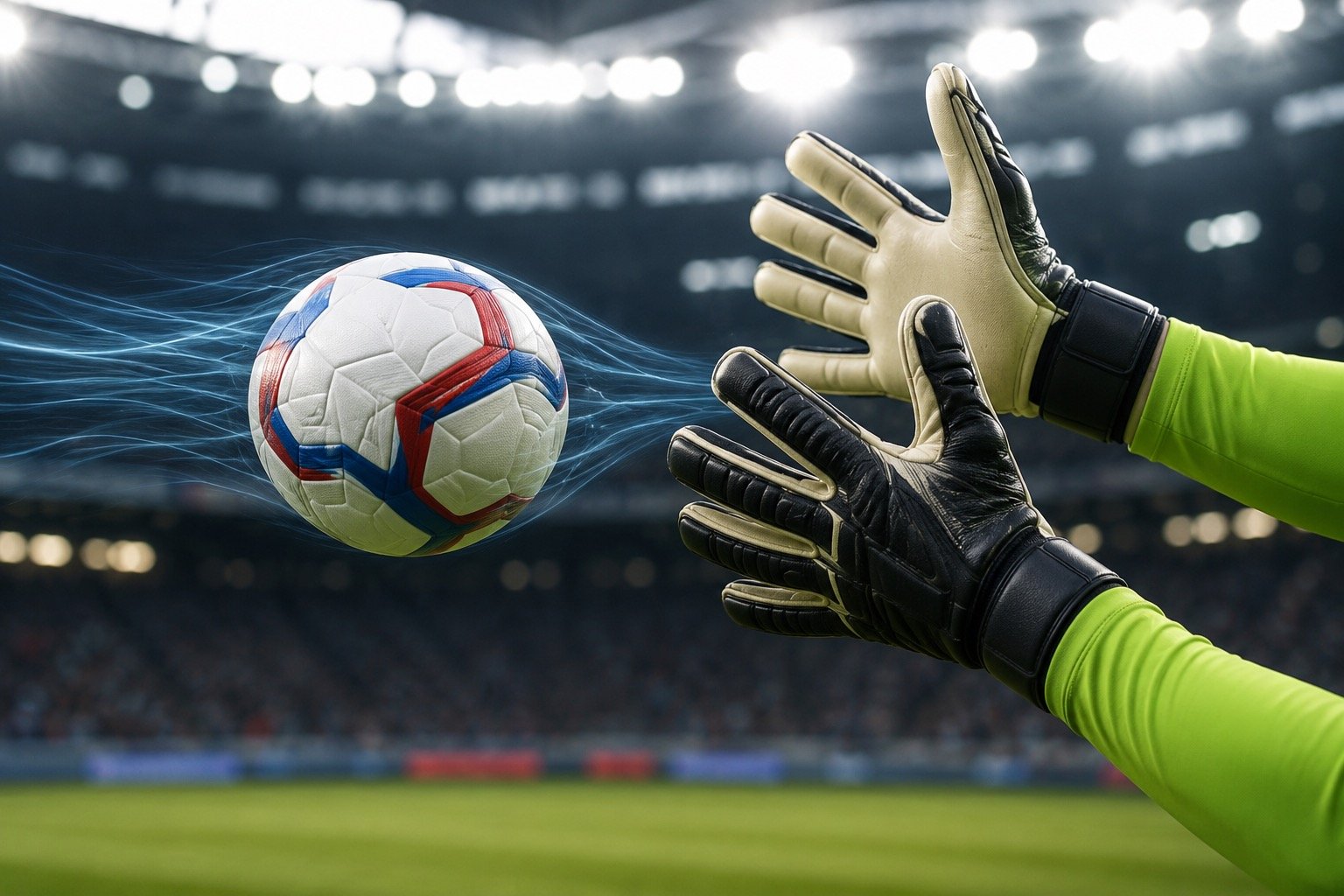
A run of goalkeeper errors at the 2026 World Cup has focused attention on the Adidas Trionda match ball and the science behind its flight, with several keepers beaten by shots that looked saveable.
Broadcasters and analysts have begun asking whether the ball travels faster than expected after leaving the boot, turning a technical curiosity into a tactical concern before the knockout rounds.
Who has been caught out
Guardian reporting highlighted difficult moments for Algeria's Luca Zidane, Senegal's Edouard Mendy and Iraq's Ahmed Basil. Former England goalkeeper Joe Hart argued on BBC coverage that players are still learning the pace of the tournament ball.
The science
Researchers from Seoul Women's University and the University of Tsukuba examined how the Trionda's surface orientation alters drag and flight. Their work suggests the ball can enter a drag-crisis regime, where airflow turns turbulent and drag drops, meaning it may not slow as a goalkeeper expects.
FIFA and Adidas promoted the four-panel construction and deeper seams as stability features, but the findings hand keepers another variable to manage.
What happens next
With knockout matches approaching, goalkeeping coaches will be recalibrating timing, positioning and shot-reading drills to account for a ball that behaves differently at speed.
Sources: reporting by The Guardian.
The NE Times is an independent news and analysis publisher. Our articles combine factual reporting with clearly-written, impartial analysis. Content is for general information and does not constitute professional advice. Disclaimer.
You may also like to read
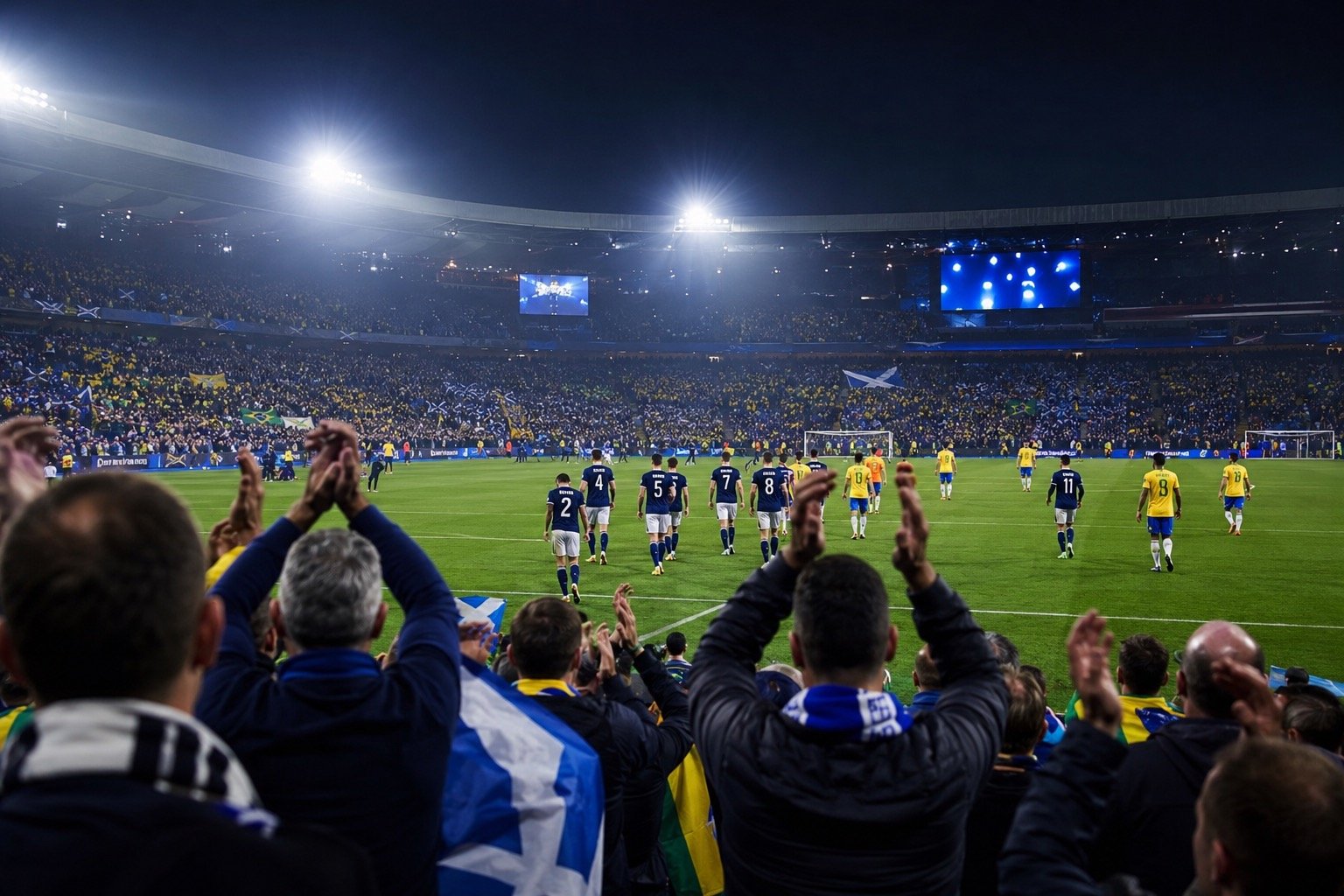
Scotland Face Anxious World Cup Wait After 3-0 Brazil Defeat in Miami
Steve Clarke's side are left relying on results elsewhere after a chastening loss to Carlo Ancelotti's Brazil exposed defensive frailties at the 2026 finals.
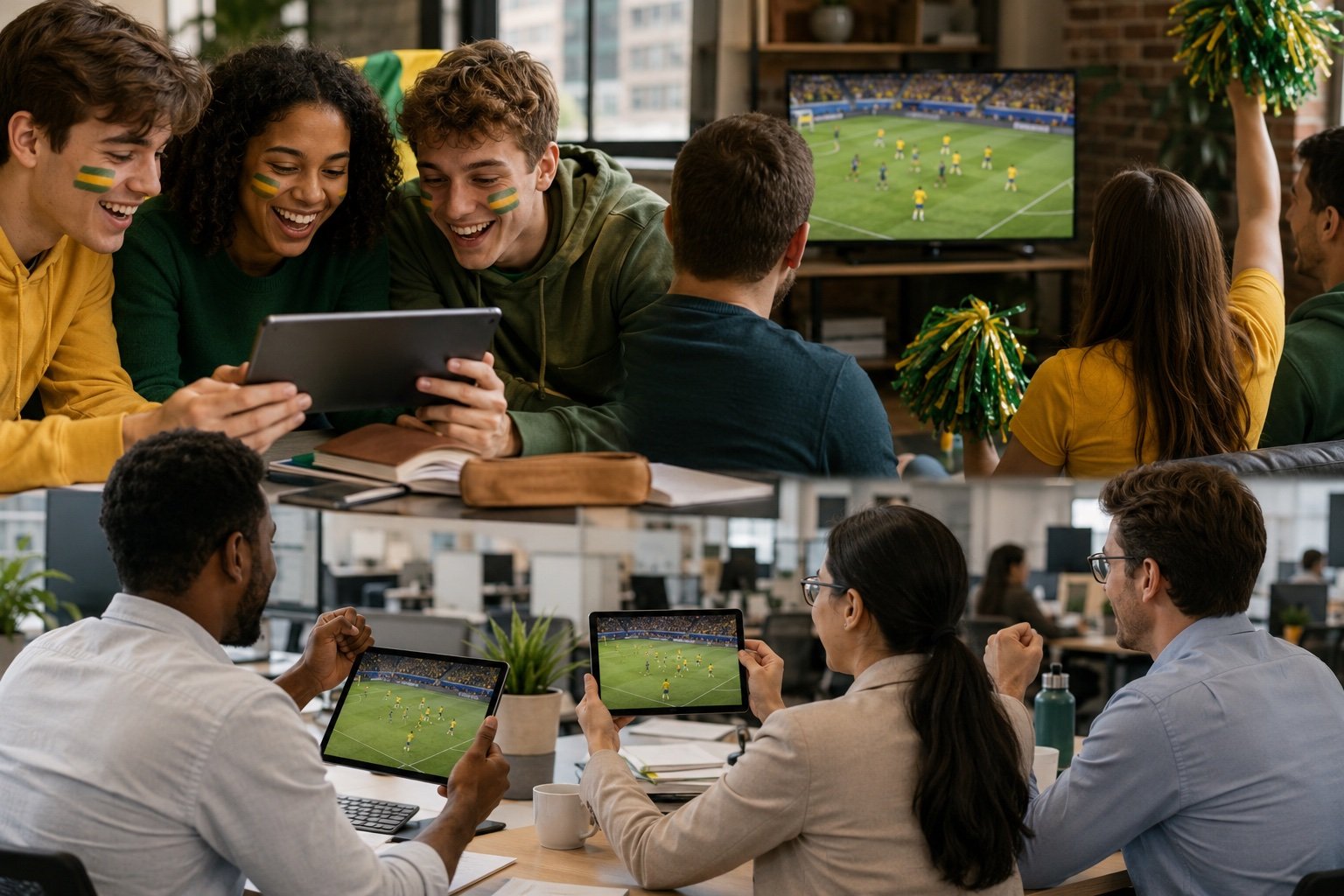
Socceroo urges schools and workplaces to screen Australia's World Cup decider
Defender Jason Geria has called for people to be allowed to watch the Socceroos' crucial group finale against Paraguay, with the midday kick-off and a place in the last 32 fuelling national interest.
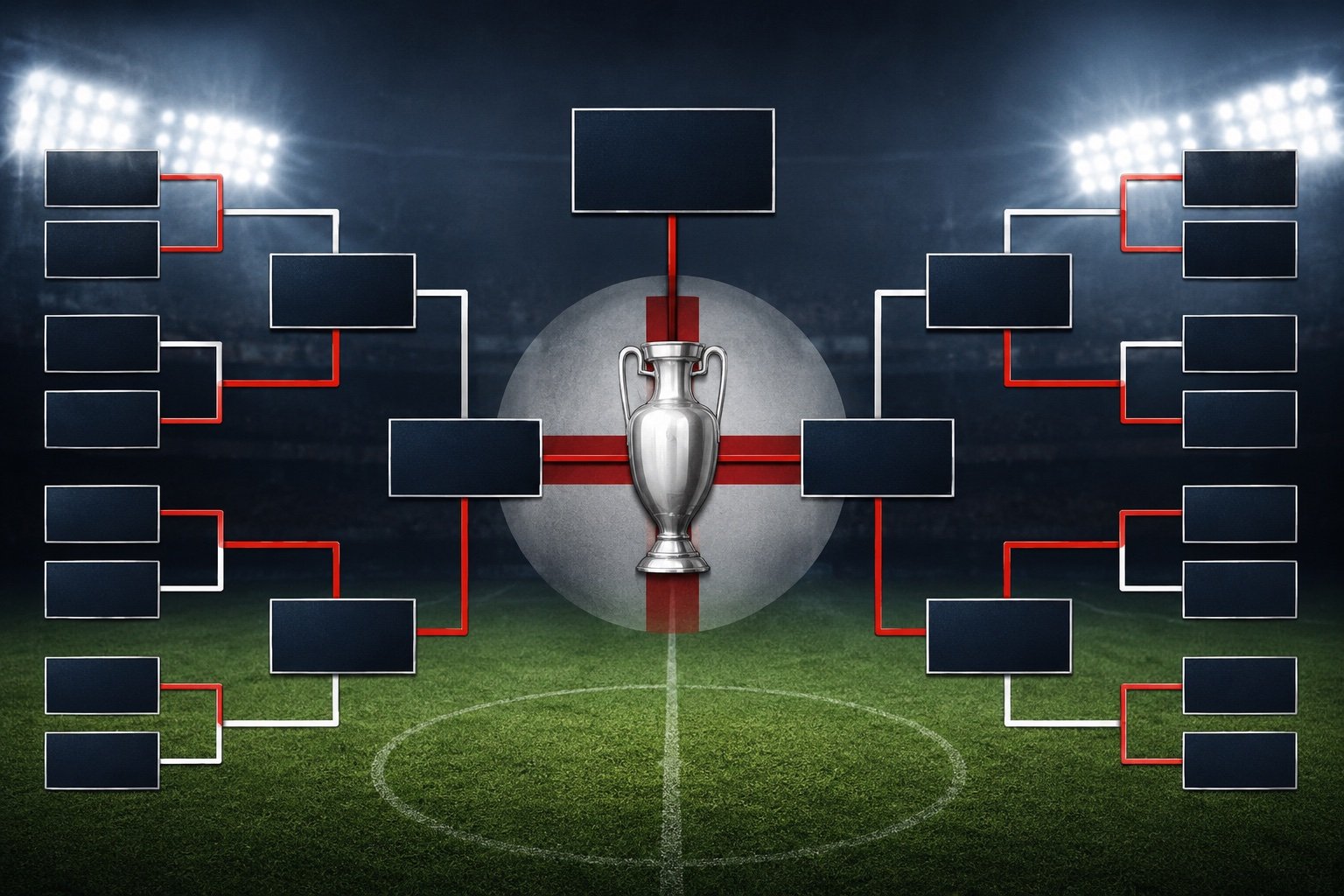
England's projected World Cup path turns every group game into a high-stakes decision
Analysis of Thomas Tuchel's possible knockout route has put fresh weight on where England finish in their group, with finishing position likely to dictate the difficulty of the draw to come.
Iran's footballers granted earlier US entry for World Cup tie after travel-rule complaints
The Department of Homeland Security will let Iran's national team arrive two days before their fixture, easing a tighter restriction that critics said undermined preparation and competitive fairness.