Immigration Rules Change on 30 July and 3 August: ETA, Talent Routes and Transitional Protections Explained
The changes affect applicants, advisers, employers and travellers and arrive alongside the broader political debate over the government's Immigration and…
UK News & Politics Editor ·
Why it's trending
The changes affect applicants, advisers, employers and travellers and arrive alongside the broader political debate over the government's Immigration and Asylum Bill.
The latest immigration rule change is a technical legal instrument rather than a single political slogan. It amends multiple appendices, creates commencement dates and sets transition rules that determine which version applies to an individual application. This development is part of the UK news agenda for the week from 27 July to 2 August 2026. It is receiving attention because the changes affect applicants, advisers, employers and travellers and arrive alongside the broader political debate over the government's Immigration and Asylum Bill.. The essential task is to separate confirmed facts from interpretation, explain the practical effect and identify what readers should verify before acting on the information.
Why commencement dates matter
Immigration decisions are governed by the rules in force at a defined time, but statements of changes often protect applications submitted before a deadline. Applicants should preserve submission evidence and avoid relying only on summaries. That context changes how the headline should be understood. Legal status must be described precisely. A consultation, press release, rule change, court judgment and Act of Parliament do not have the same force or timetable. Transitional provisions can matter as much as the headline, particularly for applications or cases already under way. The safest approach to UK Immigration Rules August 2026 is to date each stage, identify territorial scope and update the explanation when regulations or guidance are published.
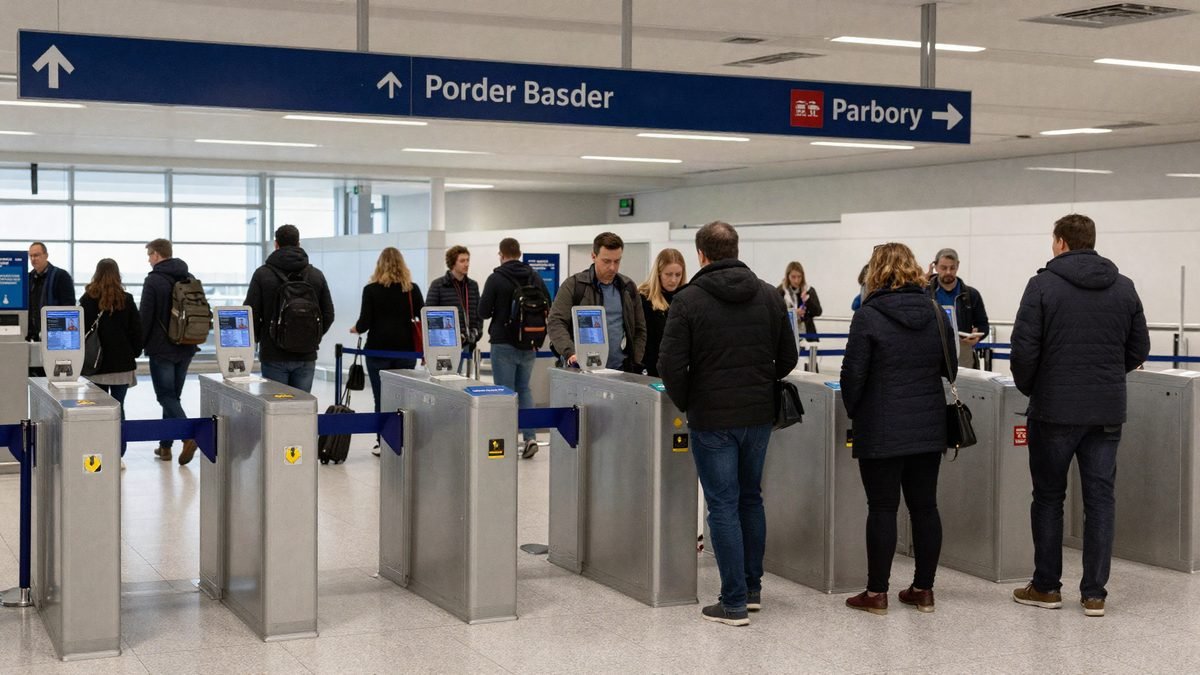
ETA and permission to travel
Changes involving the Electronic Travel Authorisation system can affect who needs prior digital permission and how suitability is assessed. An ETA is not the same as a visa or a guarantee of entry, and carriers may apply document checks before travel. The operational detail is where the story becomes useful to readers. Public trust is another part of the story. Voters have seen ambitious announcements followed by revised targets, delayed systems and responsibilities passed between institutions. Trust improves when government publishes limitations, explains trade-offs and admits what is not yet decided. For UK Immigration Rules August 2026, clear evidence and an honest account of uncertainty are more durable than presenting every development as a completed transformation.
Work, talent and specialist routes
The instrument amends specified route appendices, including provisions connected with talent and specialist categories. Exact eligibility turns on occupation, endorsement, sponsorship, salary, qualifications and evidence, so route-specific guidance remains essential. This is also the point at which different interests begin to diverge. The long-term test is whether the measure changes behaviour and outcomes after the news cycle moves on. Early statistics can be volatile, while benefits and problems may appear months later. Editors should plan follow-up coverage of UK Immigration Rules August 2026 around implementation dates, spending reviews, official evaluations and testimony from affected groups. That turns a launch article into accountable public-service journalism.
Transitional protection
For listed changes effective on 3 August, applications made earlier are normally decided under the 2 August rules. That protection can be decisive where criteria change, but it does not cure an incomplete application or override separate validity requirements. The next stage will reveal whether the stated objective is realistic. The distinction between an announcement and an operating policy is important here. Ministers can change the political direction quickly, but delivery normally depends on budgets, statutory authority, civil-service instructions and organisations outside Whitehall. For UK Immigration Rules August 2026, the strongest future evidence will be published guidance, measurable milestones and independent scrutiny rather than the volume of launch-day coverage. Readers should therefore separate the confirmed decision from the assumptions being made about its eventual impact.
How this differs from the Immigration Bill
Immigration Rules are made under existing statutory authority and can change administrative requirements without waiting for a new Act. The separate Bill concerns wider asylum, appeals and enforcement architecture, so the two processes should not be conflated. For publishers, precision on timing and scope is particularly important. The distributional question deserves equal attention. A national policy can create different outcomes by region, income, age, disability or institutional capacity. Coverage of UK Immigration Rules August 2026 should ask who receives the immediate benefit, who carries administrative or financial risk and whether protections exist for people who are least able to navigate a new system. Those questions are not objections to change; they are the practical test of whether reform works fairly.
What applicants and employers should do
Check the consolidated rules, updated sponsor guidance and official caseworker material on the effective date. Employers should review right-to-work and sponsorship processes, while travellers should confirm requirements before booking non-refundable journeys. The wider significance extends beyond the immediate announcement. There is also a governance issue. Responsibility may be shared between central departments, regulators, councils, mayors, employers or service providers, and unclear hand-offs are a common source of delay. A credible programme needs named decision makers, transparent reporting and a route for complaints or correction. In the case of UK Immigration Rules August 2026, scrutiny should follow the delivery chain instead of assuming that a statement from No 10 automatically changes practice everywhere.
What happens next
The next update on UK Immigration Rules August 2026 should be judged against the specific commitments and dates already published. Readers should watch for formal guidance, revised platform listings, implementation data, court or parliamentary developments, and statements from organisations directly responsible for delivery. This is general reporting, not immigration advice. Route details and guidance can change; verify the consolidated rules and effective date for each application. The article should therefore be refreshed immediately before publication and again when the first measurable outcomes are available.
Sources & verification
- GOV.UK - Statement of Changes HC 259
- GOV.UK - Explanatory memorandum
Filed under UK News · Written by Eleanor Whitfield