US and Iran edge towards a deal, but the two sides cannot agree on what it says
President Trump has signalled that an agreement to end hostilities and reopen the Strait of Hormuz is close, yet Tehran has cast doubt on the timing and disputed his account of the terms.
Marcus Reeve
Writer ·
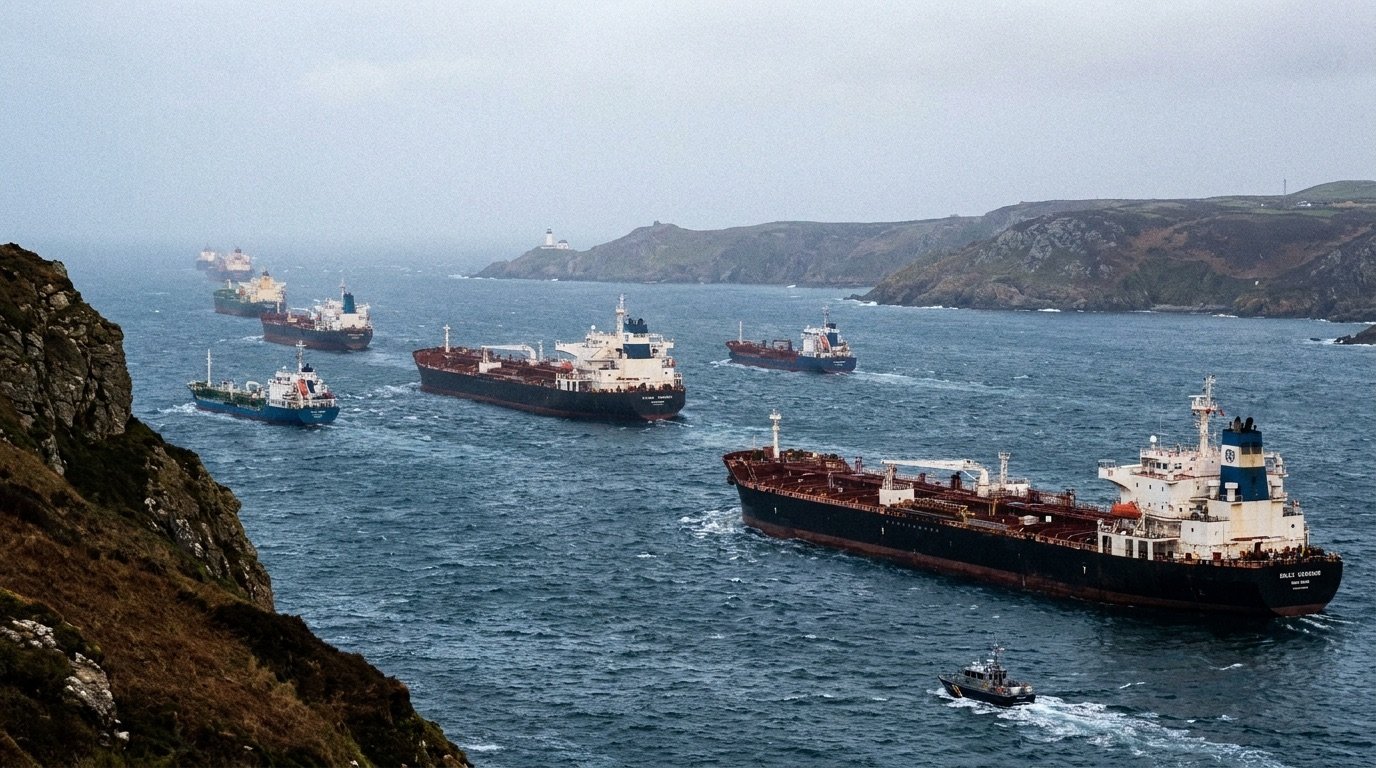
The United States and Iran appear to be nearing an agreement to end months of hostilities, but the prospect has been clouded by sharp disagreement between Washington and Tehran over exactly what has been settled. The conflicting accounts have injected fresh uncertainty into a process that could have far-reaching consequences for global energy markets and regional security.
President Donald Trump has said a deal is all but ready to be signed, with a virtual signing under discussion, and has indicated it would lead to the reopening of the Strait of Hormuz, the vital shipping lane through which a large share of the world's oil passes. The strait has been at the centre of the crisis, and its status is a key barometer of whether tensions are easing or escalating.
Yet the optimism emanating from Washington has not been straightforwardly echoed in Tehran. Iranian officials have offered a markedly different characterisation of where matters stand, raising questions about whether the two sides are describing the same agreement at all.
Competing accounts of the terms
Iranian officials and state media have offered a different picture. Reports in Tehran suggest a draft text commits the US to lifting oil sanctions and ties final negotiations to the release of frozen Iranian funds and the lifting of a naval blockade. Such conditions, if accurate, would represent significant concessions and would explain why the path to a signed deal may be more complicated than the optimistic framing suggests.
Trump has insisted that the terms circulating in Iranian media bear no relation to what was agreed in writing. The gap between the two narratives is striking, and it leaves observers uncertain whether the discrepancy reflects genuine disagreement, negotiating tactics, or an attempt by each side to present the emerging deal favourably to its domestic audience.
“We are so close to a Peace Deal with Iran.”
— Donald Trump, US President
Analysts have noted that neither side has publicly resolved the most sensitive question of all, the future of Iran's nuclear programme, leaving the durability of any agreement in doubt even as both governments talk up the chances of a breakthrough. Without clarity on that central issue, any pause in hostilities risks being fragile.
The Strait of Hormuz and the global stakes
The Strait of Hormuz is one of the most strategically important waterways in the world. A narrow channel between Iran and the Arabian Peninsula, it serves as the principal route for oil exported from the Gulf, and any disruption to traffic through it reverberates across global energy markets within hours.
Fears that the strait could be closed or that shipping could be targeted have kept oil prices elevated and rattled economies far from the region, including the United Kingdom. A credible agreement to reopen the lane and guarantee safe passage would therefore be welcomed well beyond the immediate parties, potentially easing the inflationary pressures that have complicated central banks' decisions.
- Trump says a deal is close, with a virtual signing under discussion
- Iranian media link terms to lifting oil sanctions and releasing frozen funds
- Reopening the Strait of Hormuz is central to the talks
- Trump disputes the Iranian account of the agreed terms
- The future of Iran's nuclear programme remains unresolved
Background: a long-running confrontation
Relations between the United States and Iran have been hostile for decades, marked by sanctions, the collapse of an earlier nuclear accord, and repeated flare-ups in the Gulf. The latest crisis brought the two adversaries to the brink once more, with energy supplies and regional stability hanging in the balance.
Previous attempts at diplomacy have foundered on mutual distrust and on the difficulty of verifying commitments, particularly around Iran's nuclear activities. The current effort faces the same obstacles, compounded by the very public disagreement over what has actually been agreed, a disagreement that itself reflects the deep suspicion that pervades the relationship.
What happens next
Much will depend on whether the two sides can reconcile their competing accounts and produce a text both are willing to sign. The talk of a virtual signing suggests momentum, but the discrepancies over sanctions, frozen funds and the naval blockade indicate that significant gaps may remain to be bridged.
For now, markets, governments and diplomats will be watching for concrete steps rather than declarations. A genuine reopening of the Strait of Hormuz and a verifiable easing of tensions would be a major development. But until the details are settled and the nuclear question addressed, scepticism about the durability of any agreement is likely to persist. Past episodes have shown how quickly apparent breakthroughs between Washington and Tehran can unravel, and how much can hinge on domestic politics in both capitals as well as on the reaction of regional powers with their own stakes in the outcome.
Sources: reporting by NPR.
The NE Times is an independent news and analysis publisher. Our articles combine factual reporting with clearly-written, impartial analysis. Content is for general information and does not constitute professional advice. Disclaimer.
You may also like to read
US-Iran nuclear inspection row exposes strain in public diplomacy
A dispute over access to Iran's enrichment sites is testing whether fragile post-war commitments can be turned into verifiable action.
Iran farmer claims deepen dispute over frozen assets in fragile US deal
A row over food, sanctions and unfrozen money has complicated America's tentative interim agreement with Tehran, with Washington and Iran clashing over how released assets should be spent.

US Grants 60-Day Iranian Oil Licence as Switzerland Peace Talks Press On
Washington has issued a temporary sanctions licence permitting Iranian oil production, delivery and sales through 21 August, offering negotiators an economic bridge as they pursue a permanent end to the war that began in February.
White House Asks Congress for Tens of Billions in Iran War Spending
A funding request reported at $87.6bn bundles money tied to the Iran conflict with military readiness and domestic priorities.