Venezuela's Delcy Rodríguez governs as acting president months after Maduro's capture
The former vice-president continues to lead Venezuela after US forces seized Nicolás Maduro in January, becoming the first woman to exercise the country's presidential powers.
Marcus Reeve
Writer ·

Nearly six months after United States forces captured President Nicolás Maduro on Venezuelan soil and flew him out of the country, Delcy Rodríguez continues to govern as acting president, navigating a fragile transition and sustained pressure from Washington.
Rodríguez, who served as vice-president from 2018, assumed presidential powers on 5 January following Maduro's seizure. The Supreme Court invoked the constitution's succession provisions, and she was sworn in by her brother, Jorge Rodríguez, president of the National Assembly, becoming the first woman in Venezuelan history to perform the duties of the presidency.
Her tenure has unfolded under extraordinary circumstances, with the legitimacy of her authority contested at home and abroad and the country's political and economic future deeply uncertain. The governing movement has sought to project continuity, presenting Rodríguez as a caretaker upholding the established order rather than as a successor in her own right.
A contested transition
Maduro was taken to the United States, where he appeared in federal court on drug-related charges and pleaded not guilty, insisting he remained the country's legitimate leader. His prosecution in a foreign court, while he continues to claim the presidency from detention, has created a highly unusual legal and political situation without clear precedent.
Both he and Rodríguez maintain that his capture amounts to a temporary inability to govern rather than a permanent vacancy in the presidency, a framing designed to preserve the constitutional basis for her authority and to keep the door open to his return. The governing movement remains in place, controlling the security services and key institutions of the state.
“I'm still president.”
— Nicolás Maduro, in court
The opposition and many foreign governments have long disputed the legitimacy of Maduro's rule, citing contested elections, and the manner of his removal has further complicated the question of who holds rightful authority in Caracas. The transition has thus deepened rather than resolved Venezuela's protracted crisis of legitimacy.
Washington's pressure and the oil question
The Trump administration has said Washington would control Venezuela's oil sales indefinitely, moving to market the country's sanctioned crude and warning the interim government of further consequences should it refuse to cooperate. Oil is the lifeblood of the Venezuelan economy, and control over its export revenues confers enormous leverage over whoever governs in Caracas.
The standoff has placed Rodríguez in a difficult position, caught between asserting national sovereignty and managing the practical realities of an economy dependent on the very oil revenues now subject to external control. The pressure campaign has raised concerns across the region about the precedent set by the forcible removal of a sitting head of state.
The principal sources of uncertainty surrounding the transition include:
- The disputed legitimacy of both Maduro's claim and Rodríguez's acting presidency
- US control over the marketing of Venezuela's sanctioned oil exports
- The outcome of Maduro's legal proceedings in the United States
- The loyalty and role of Venezuela's security forces
- The response of regional governments and international institutions
Background: years of crisis
Venezuela has endured a prolonged economic collapse and political confrontation over more than a decade, marked by hyperinflation, shortages and the emigration of millions of citizens. International sanctions, contested elections and a long-running dispute over the country's leadership have repeatedly drawn in outside powers, with the United States among the most active. The dramatic capture of Maduro marked a new and unprecedented chapter in that long-running confrontation.
The country's oil wealth, once a source of national pride and regional influence, has become entangled in sanctions and mismanagement, leaving its vast reserves underexploited even as ordinary Venezuelans struggle with the cost of living. Control of that resource remains central to any eventual resolution of the crisis.
Regional governments have watched events in Caracas with unease, mindful both of Venezuela's strategic importance and of the precedent set by the removal of a head of state. Migration, energy and security concerns mean that developments in Venezuela ripple well beyond its borders, drawing in neighbours already coping with the strain of years of outflows from the country.
What happens next
The standoff has left Venezuela's economy facing profound uncertainty and its political future unresolved. Much will hinge on the outcome of Maduro's legal proceedings, the durability of Rodríguez's hold on power, the cohesion of the security forces and the trajectory of relations with Washington. With both sides dug in, analysts caution that the transition could remain unsettled for an extended period, prolonging the hardship faced by ordinary Venezuelans and keeping the wider region on edge.
Sources: reporting by Al Jazeera.
The NE Times is an independent news and analysis publisher. Our articles combine factual reporting with clearly-written, impartial analysis. Content is for general information and does not constitute professional advice. Disclaimer.
You may also like to read
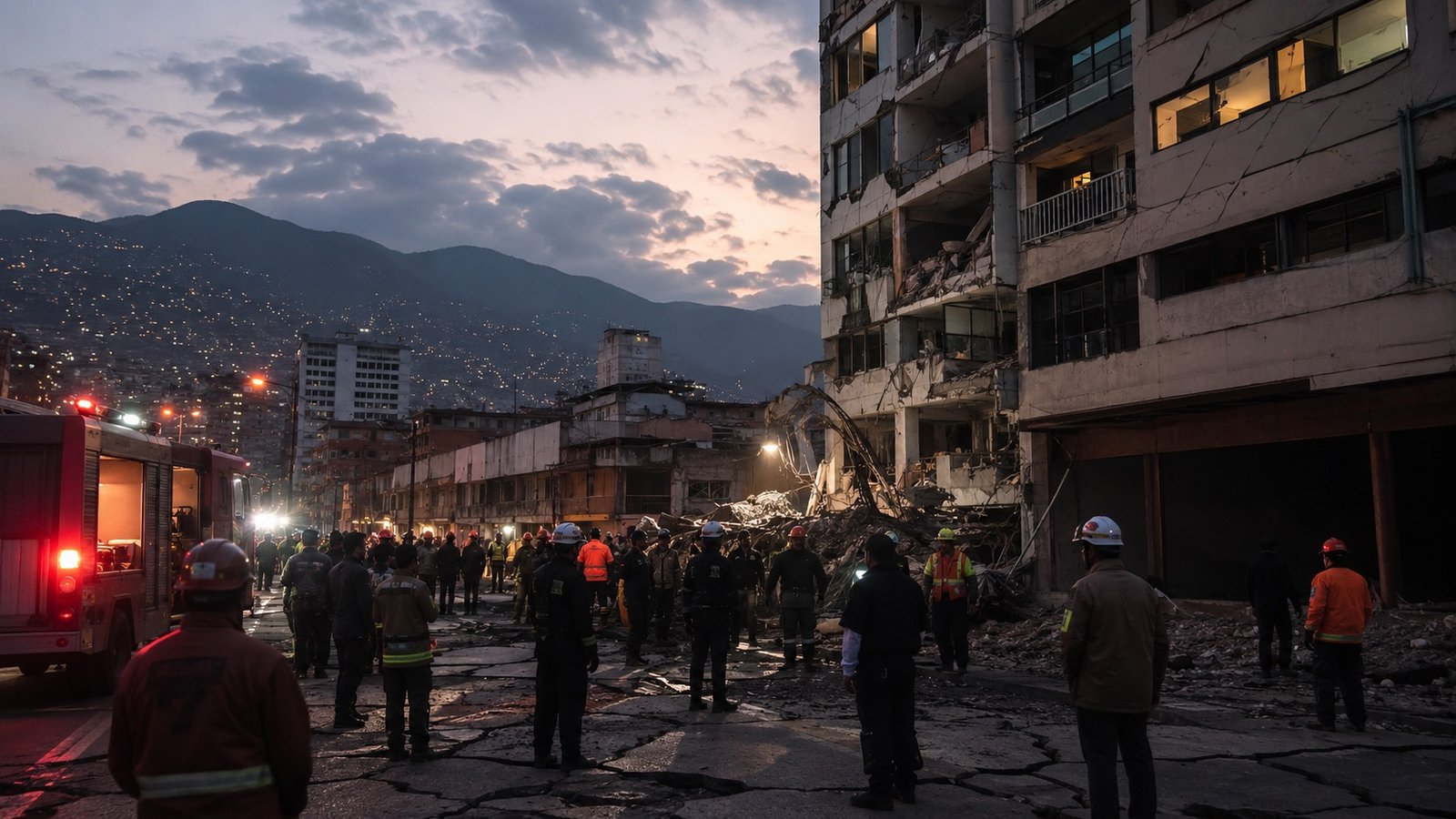
Venezuelans search the rubble after powerful twin earthquakes kill scores
Rescue teams race through collapsed buildings in Caracas and along the coast as the death toll climbs, hospitals overflow with the injured and the government scrambles to coordinate relief.
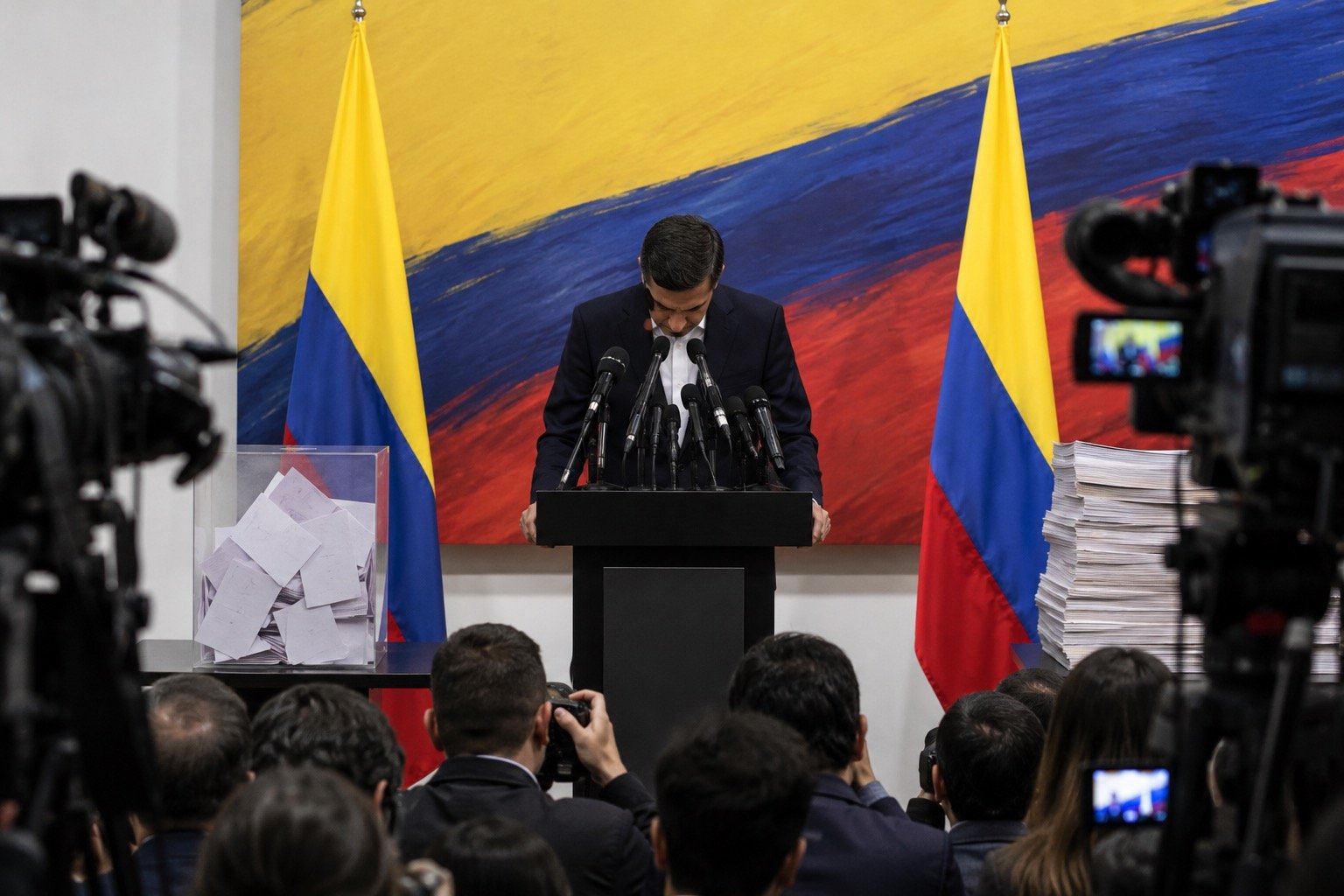
Colombia's progressive candidate concedes presidential election
Ivan Cepeda concedes to Trump-endorsed outsider Abelardo de la Espriella after a runoff signalling a sharp political shift.
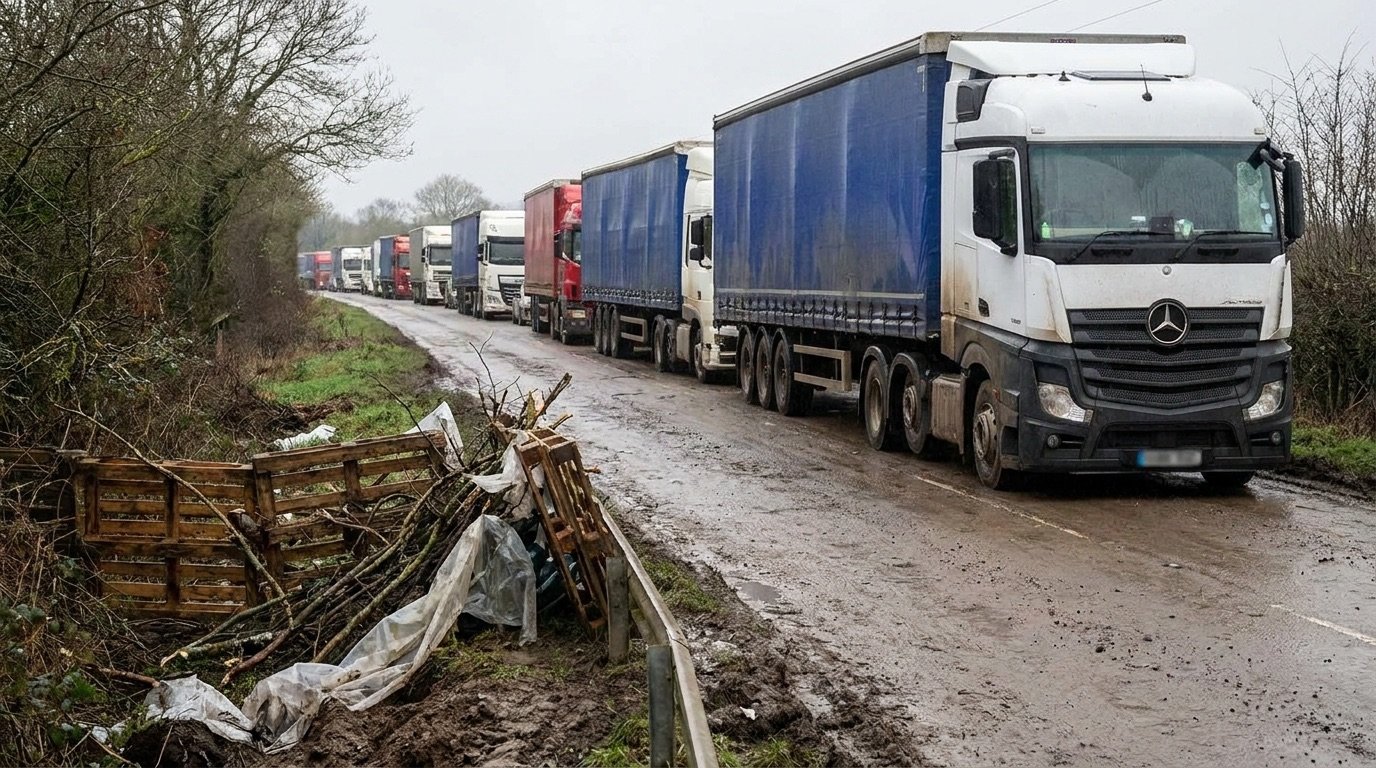
Bolivia Reopens Roads Under Emergency Powers as Patrol Plane Crash Kills Six
President Rodrigo Paz's state of emergency has eased crippling blockades, but a fatal air force crash and unresolved tensions in Evo Morales's heartland keep the country on edge.
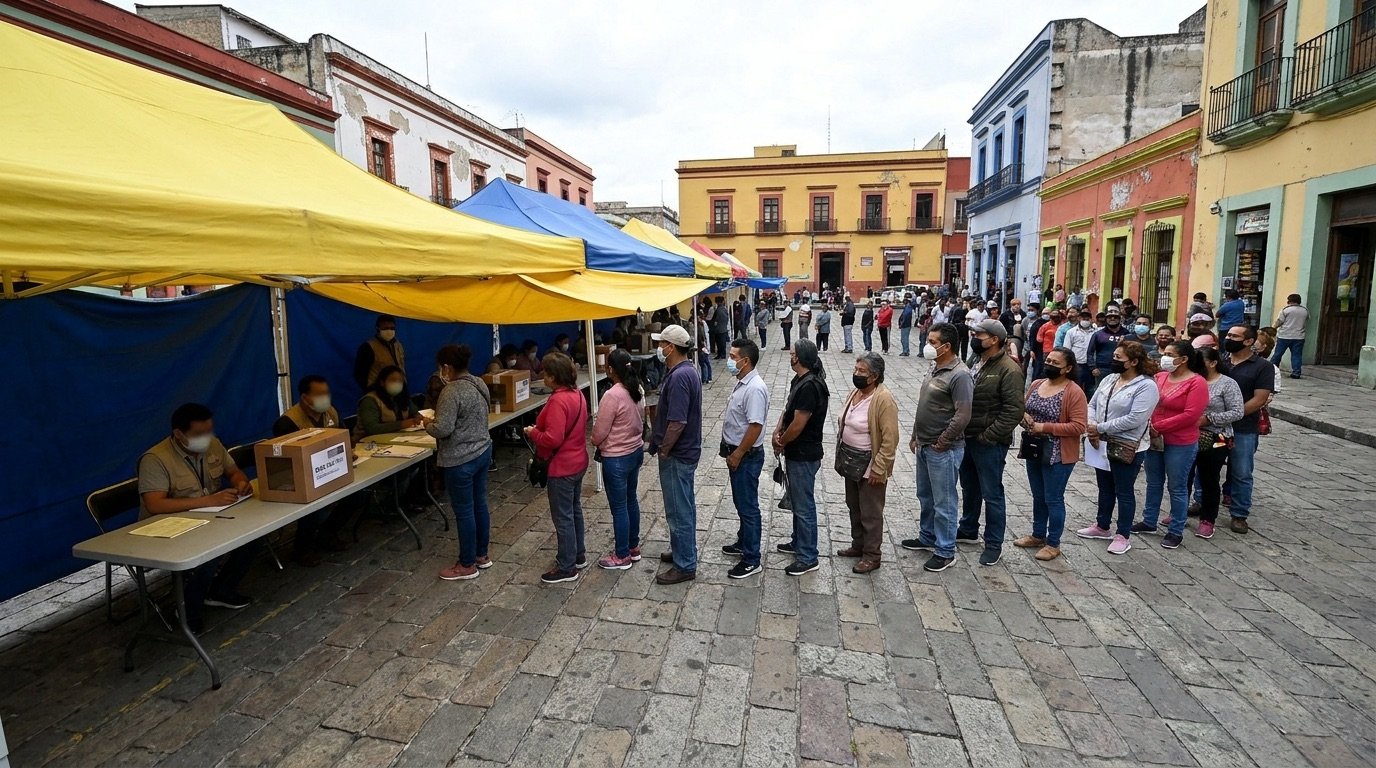
Colombia Election Result Signals Sharp Rightward Turn
Far-right lawyer Abelardo de la Espriella has emerged narrowly ahead in Colombia's presidential runoff, a result his leftwing rival has vowed to challenge in the courts.