The Night of the Werewolves Live and the rise of theatre you play
Silent Uproar's immersive werewolf show in Hull turns audiences into suspects and co-authors — proof social deduction games are reshaping live theatre.
Sophie Bennett
Writer ·
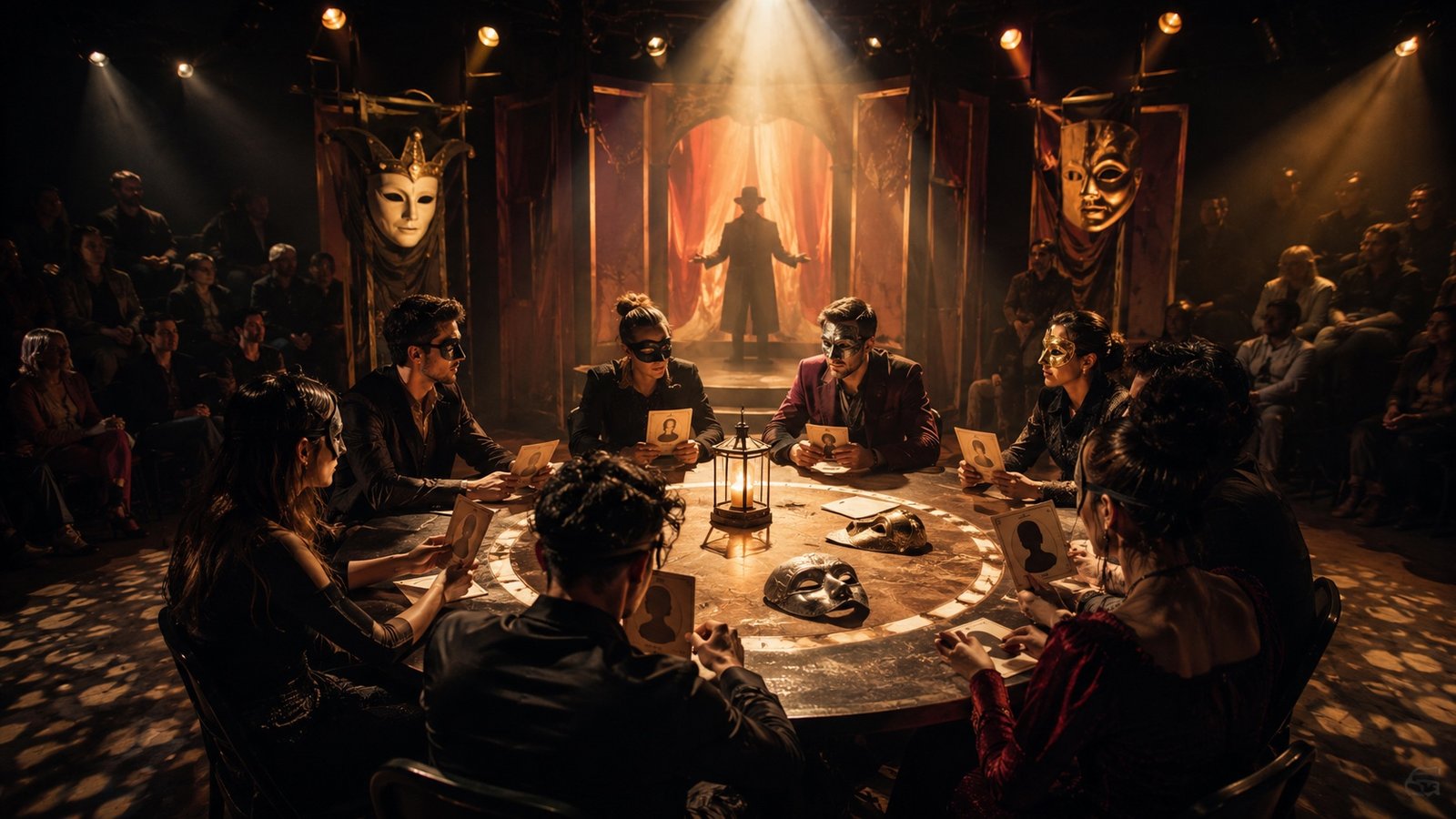
The Night of the Werewolves Live, reviewed by the Guardian at Hull's Fruit Market, hands audience members roles, wraps them in high-camp theatrical atmosphere and asks them to decide who survives. It sounds like a novelty. It is better read as a data point in one of live entertainment's most significant shifts: audiences no longer just want to watch — they want in.
What happened
Silent Uproar's production borrows the machinery of social deduction games — the family that runs from Mafia and Werewolf through to television's The Traitors — and stages it as bawdy, comic, participatory theatre. The review notes both the Traitors-esque pull of suspicion and betrayal and the show's deliberately rowdy, adult energy, with assigned characters and a sense of collective risk. This is immersive theatre without the po-faced prestige trappings: accessible, silly and social by design.
Why it matters
Streaming made passive viewing abundant; games, social feeds and live experiences taught people that entertainment can respond to them. Social deduction fits theatre unusually well because theatre already trades in presence, trust and shared time — the game simply makes those qualities visible and consequential. Who is lying, who is persuasive, who is being unfairly hounded: these were theatrical questions long before anyone added costumes. And the show's campness is doing structural work, not just comic garnish. Participation requires permission to be embarrassed, and silliness lowers the social temperature enough for strangers to actually play.
The counter-view
Participation liberates some audience members and stresses others, and the more a show depends on the room, the more uneven it can become — a confident group flies, a cautious one needs rescuing. That places unusual demands on performers, who are simultaneously acting and moderating: reading the room, protecting the shy, keeping the rules legible. Immersive theatre gets dismissed as gimmickry, but done well it is a genuinely difficult craft of live audience management, and it deserves to be reviewed as such.
What happens next
Not every show should become a game, and the format will produce its share of noisy failures. But the direction of travel is clear: in a culture of infinitely reproducible clips, an unrepeatable evening — this room, this group, these choices — has scarcity value. A werewolf game is comedy on the surface and a miniature study of mob logic underneath. The stage is not being replaced by games; it is borrowing their best tools to remember what only live performance can do.
Sources: reporting by The Guardian.
The NE Times is an independent news and analysis publisher. Our articles combine factual reporting with clearly-written, impartial analysis. Content is for general information and does not constitute professional advice. Disclaimer.
You may also like to read
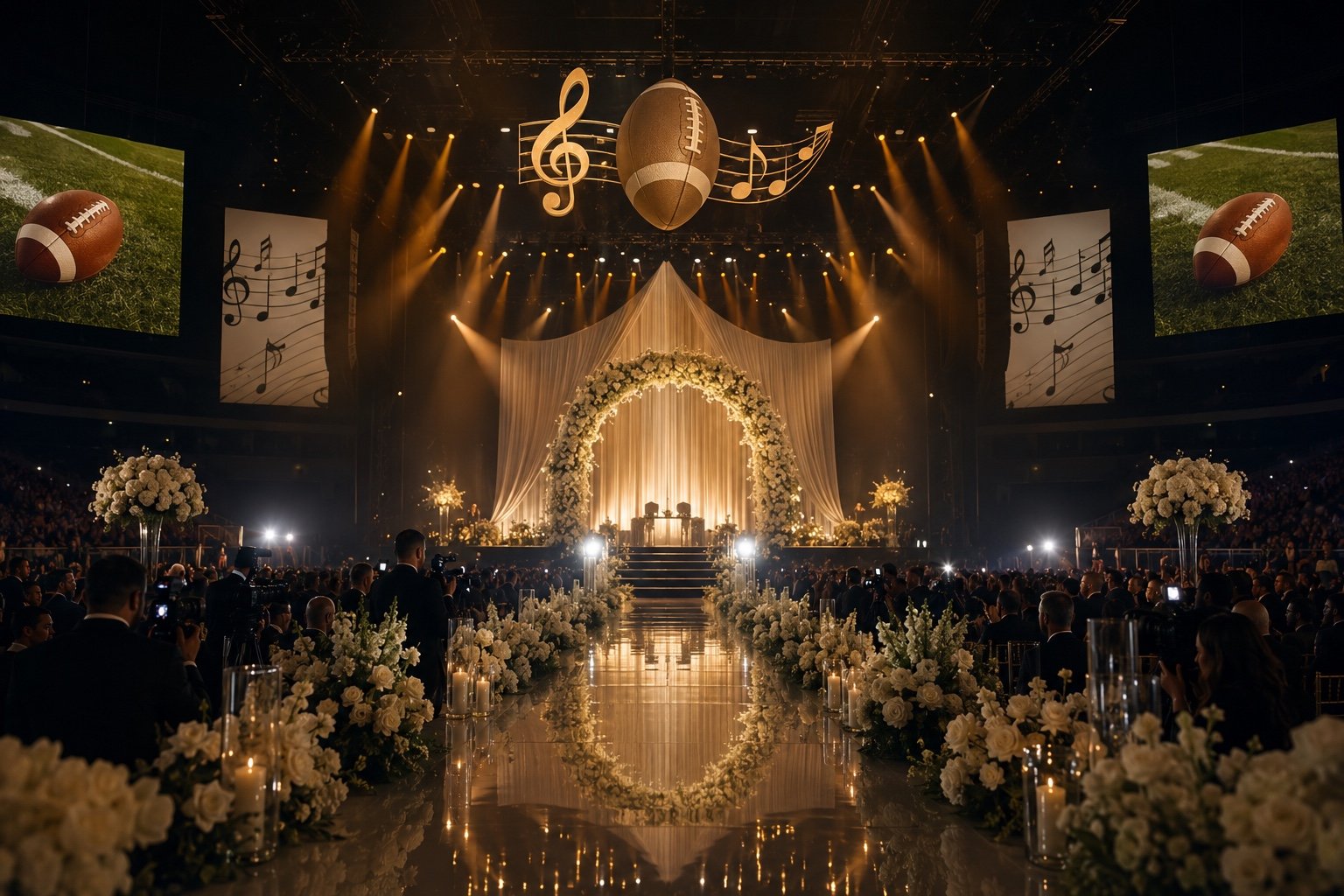
Swift and Kelce Marry at Madison Square Garden — and Redraw the Map of Celebrity News
Taylor Swift and Travis Kelce's Madison Square Garden wedding, officiated by Adam Sandler, shows how pop, sport and fandom now share one attention economy.
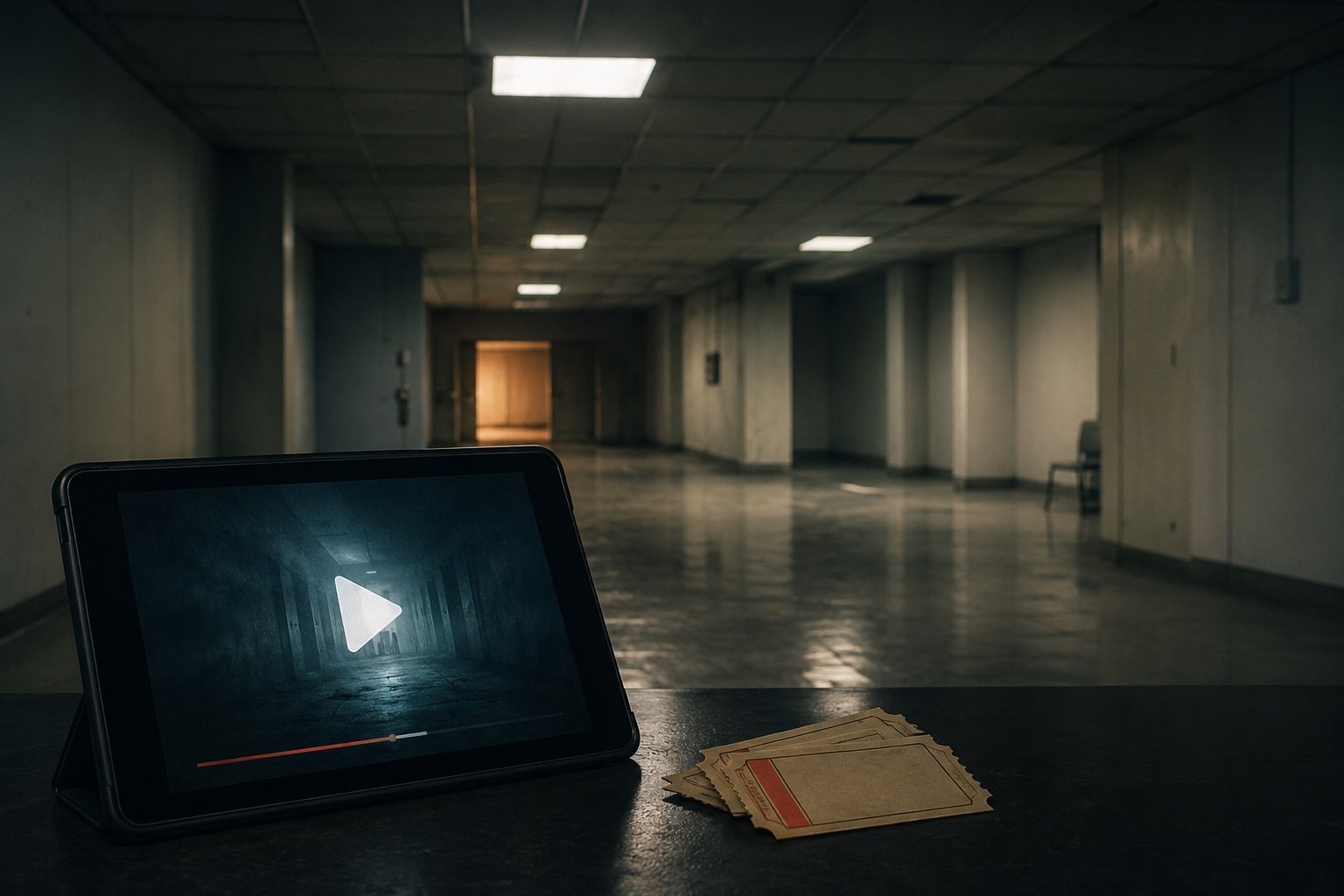
Backrooms Goes Home: The Viral Horror Hit Faces Its Streaming Audit
A24's $81.5m internet-born horror phenomenon arrives on premium VOD on 7 July — the next test of whether viral fandom can outlast the opening weekend.

Minions Edge Toy Story in a July Fourth Weekend That Reveals the Market's New Rules
Minions & Monsters topped the US chart with $36.4m over Toy Story 5's $31m — a win with caveats in a tighter, more international summer box office.
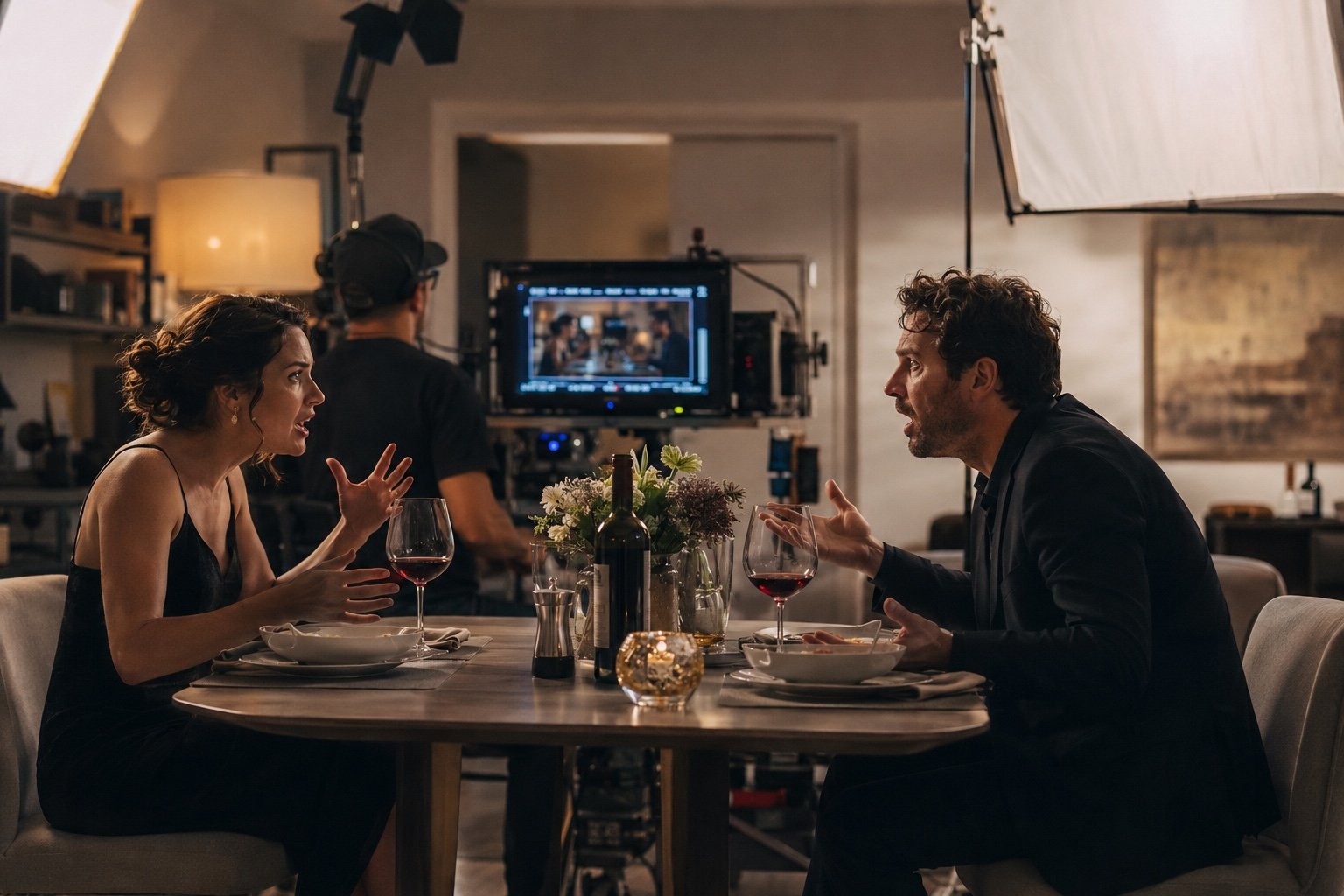
Why Seth Rogen and Olivia Wilde Shouting at Each Other Is Good News for Grown-Up Comedy
Ahead of The Invite's 10 July expansion, Rogen and Wilde's combative screen chemistry makes the case for the endangered adult chamber comedy.