Wimbledon's green courts make heatwave sport a climate story
As London's parks turn brown in a record heatwave, the All England Club's immaculate grass has become a symbol of what climate-era sport must now explain.
Daniel Fletcher
Writer ·
What happened
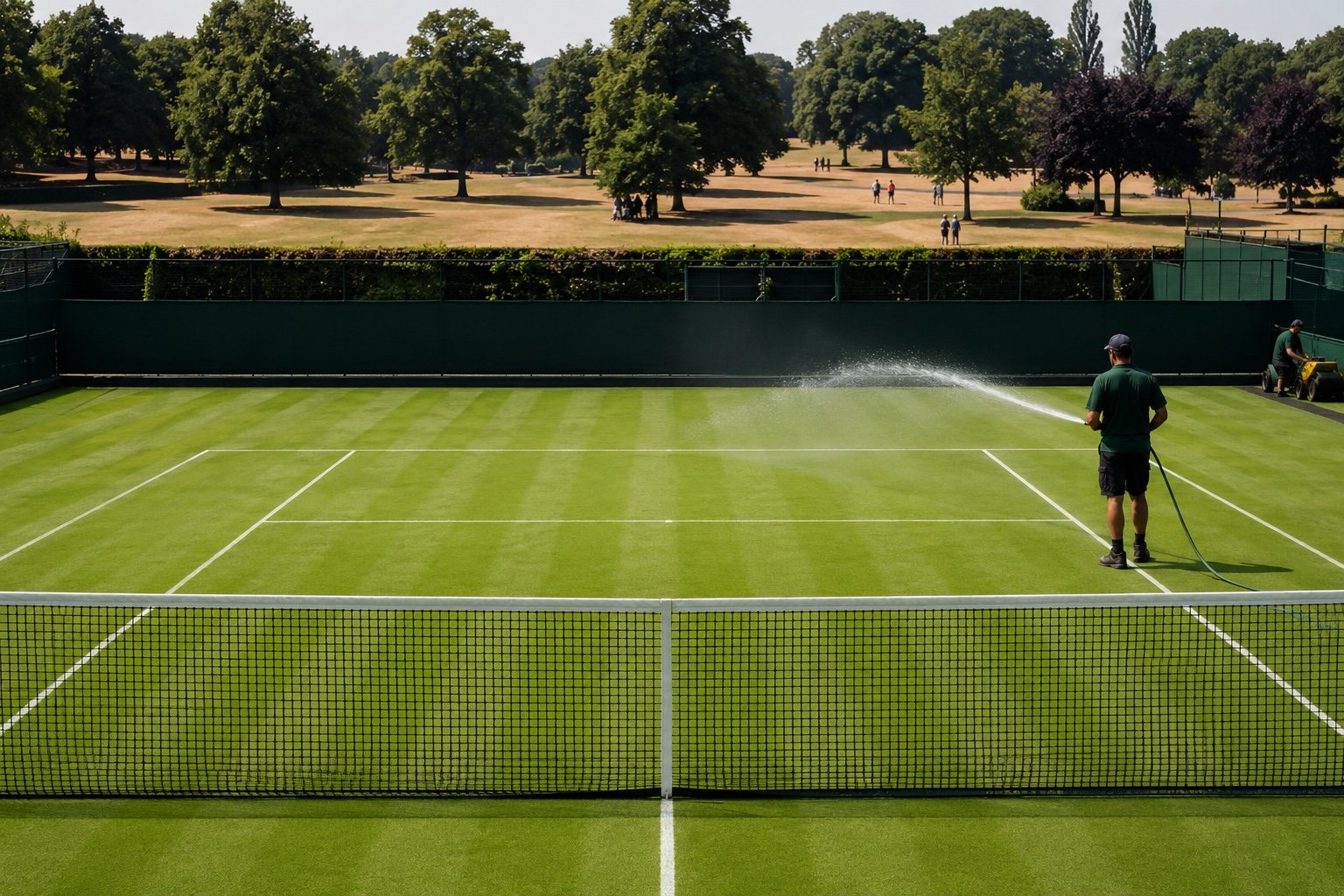
While much of London's grass has turned brown in a record heatwave affecting Britain and the rest of Europe, Wimbledon's courts have remained lush and green, the Associated Press reported. The contrast is stark: water demand is soaring, suppliers are appealing to households to cut outdoor use, and inside the All England Club a famous playing surface is being held to exacting standards regardless of the weather beyond the gates.
Why it matters
Grass at Wimbledon is not decoration. It is the playing field, the brand and part of the tournament's competitive character; bounce, footing and identity all depend on it. Court care is therefore a legitimate sporting necessity rather than an aesthetic indulgence. But necessity does not dissolve the public questions that arise when a protected green rectangle sits inside a browning, water-stressed city. Major sport is built on controlled environments, and climate volatility works in exactly the opposite direction.
There is also a welfare and fairness dimension. Grass that is too dry or damaged changes movement and injury risk; extreme heat alters recovery and concentration. If one court suffers more weather stress than another, environmental management becomes a tennis question in the strictest sense.
The counter-view
Framing this as hypocrisy would be too easy. A Grand Slam venue is not a household garden, and its operational obligations are different in kind. The groundskeeping involved is genuine expertise: soil science, moisture monitoring, wear management and rapid response to shifting conditions. The fairer test, in our view, is transparency. Spectators will accept that a tournament needs safe, playable courts; they are far less likely to accept silence about water sourcing and efficiency while their own suppliers ask them to conserve. Climate adaptation is not only engineering. It is public trust.
Nor is this solely Wimbledon's problem. Golf, cricket, football, cycling and marathon running are all confronting versions of the same challenge, because sporting calendars were built on weather assumptions that no longer hold. Wimbledon's visual language of white clothing and green lawns suggests timelessness, but the AP's contrast with the parched city punctures that illusion: tradition is maintained, not automatic, and maintaining it is becoming more expensive and more contested.
What happens next
Expect scrutiny of venue water use to become a standing feature of summer sport rather than a one-off talking point. The tournaments that fare best will be those that disclose early, showing how water is sourced and reduced, how players and spectators are protected in extreme heat, and how long-term planning is changing. The grass at Wimbledon is still beautiful and still playable. It is also no longer just grass: it is a public signal of how hard elite sport is working to keep old rituals alive in a hotter world.
Sources: reporting by Associated Press.
The NE Times is an independent news and analysis publisher. Our articles combine factual reporting with clearly-written, impartial analysis. Content is for general information and does not constitute professional advice. Disclaimer.
You may also like to read
Jannik Sinner Says He Is Fit For Wimbledon Heat Challenge
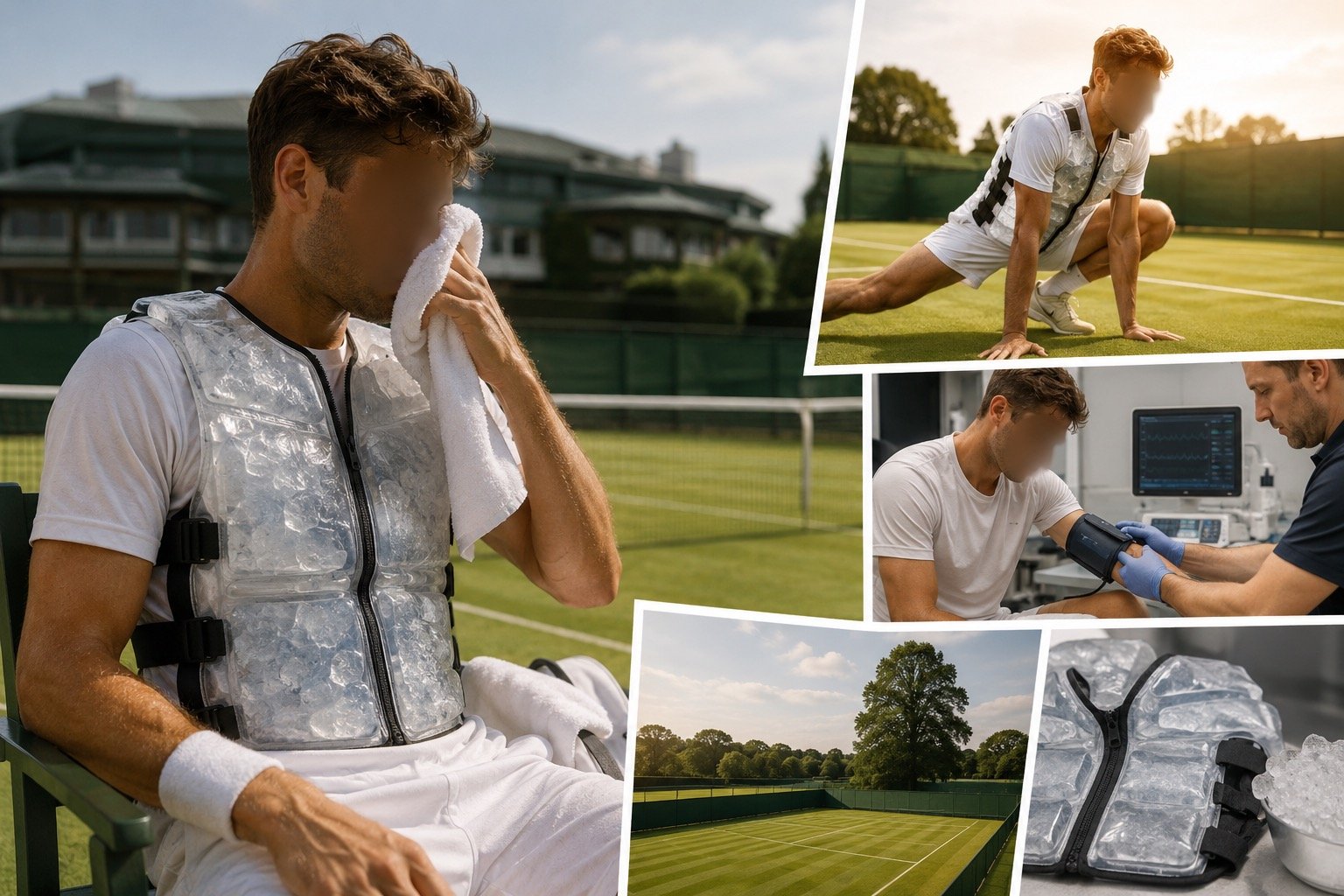
The world No. 1 says medical tests and heat-management work have left him physically ready for Wimbledon after his shock Paris collapse.
Wimbledon stays free-to-air on the BBC until at least 2033
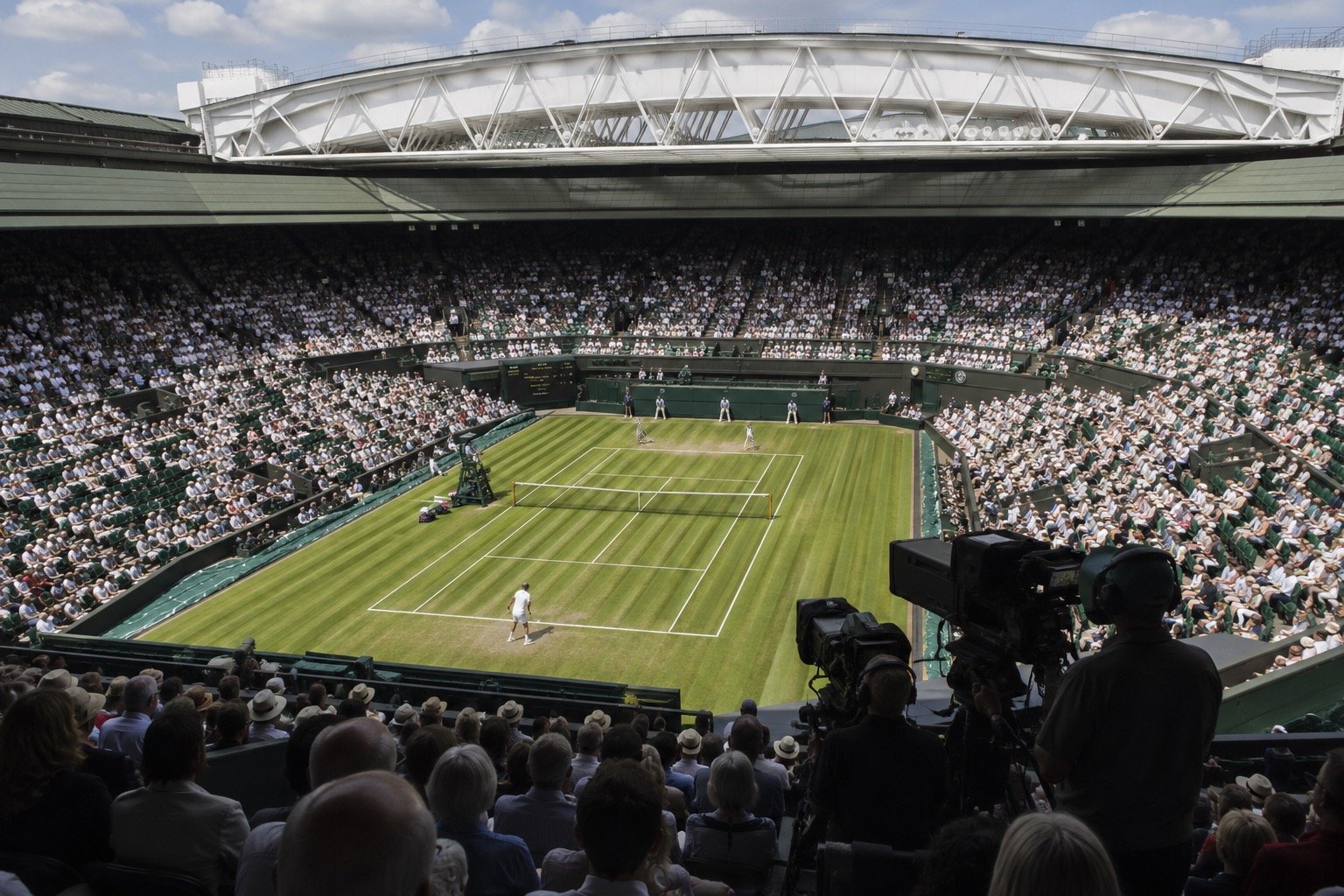
A new BBC deal with the All England Club keeps the grass-court Grand Slam widely accessible on TV, radio, iPlayer and digital platforms across the UK.
Raducanu races to be fit for Wimbledon after foot scare
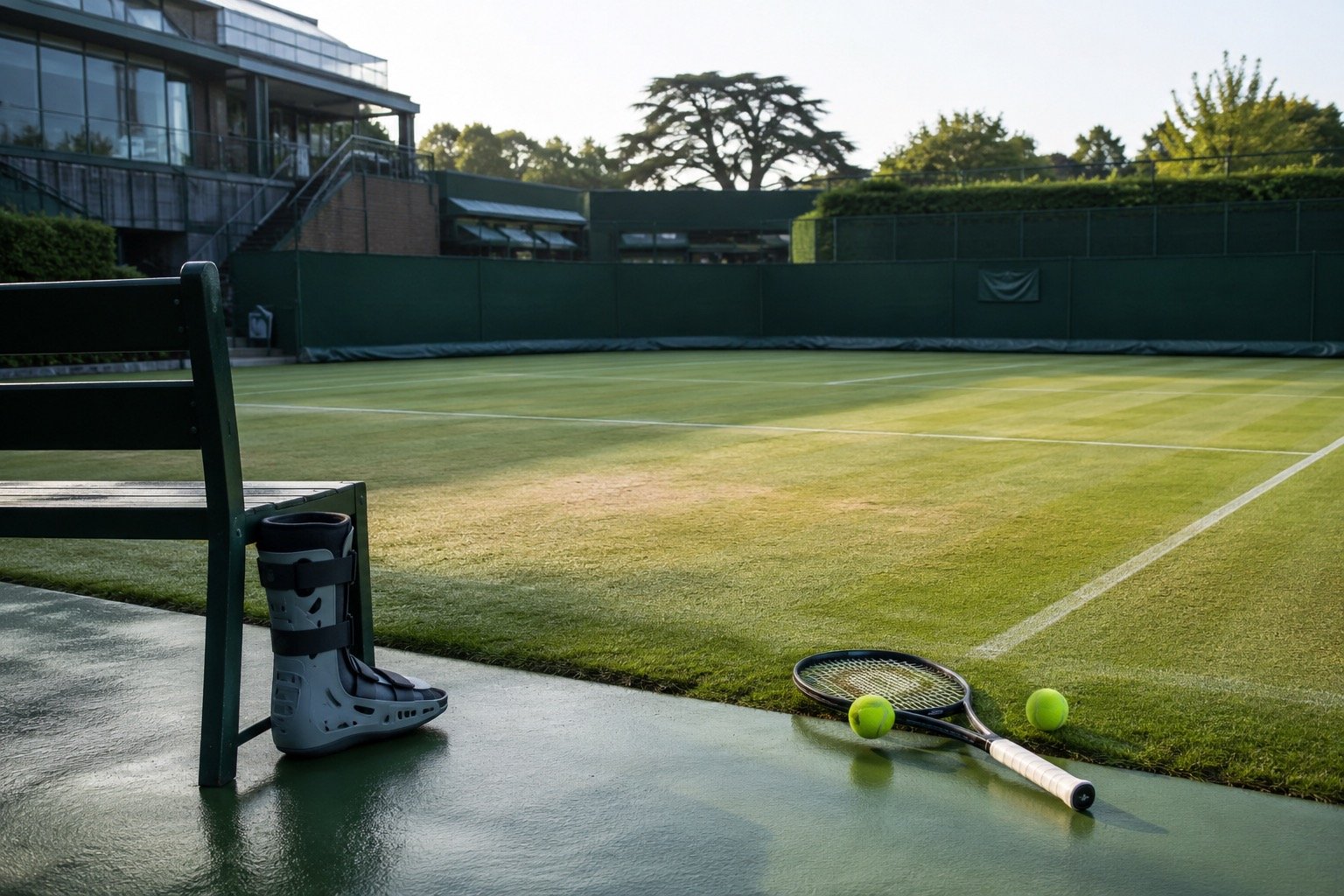
The British No. 1 missed a scheduled practice session days before her home Grand Slam, with reports she had been seen in a protective boot.
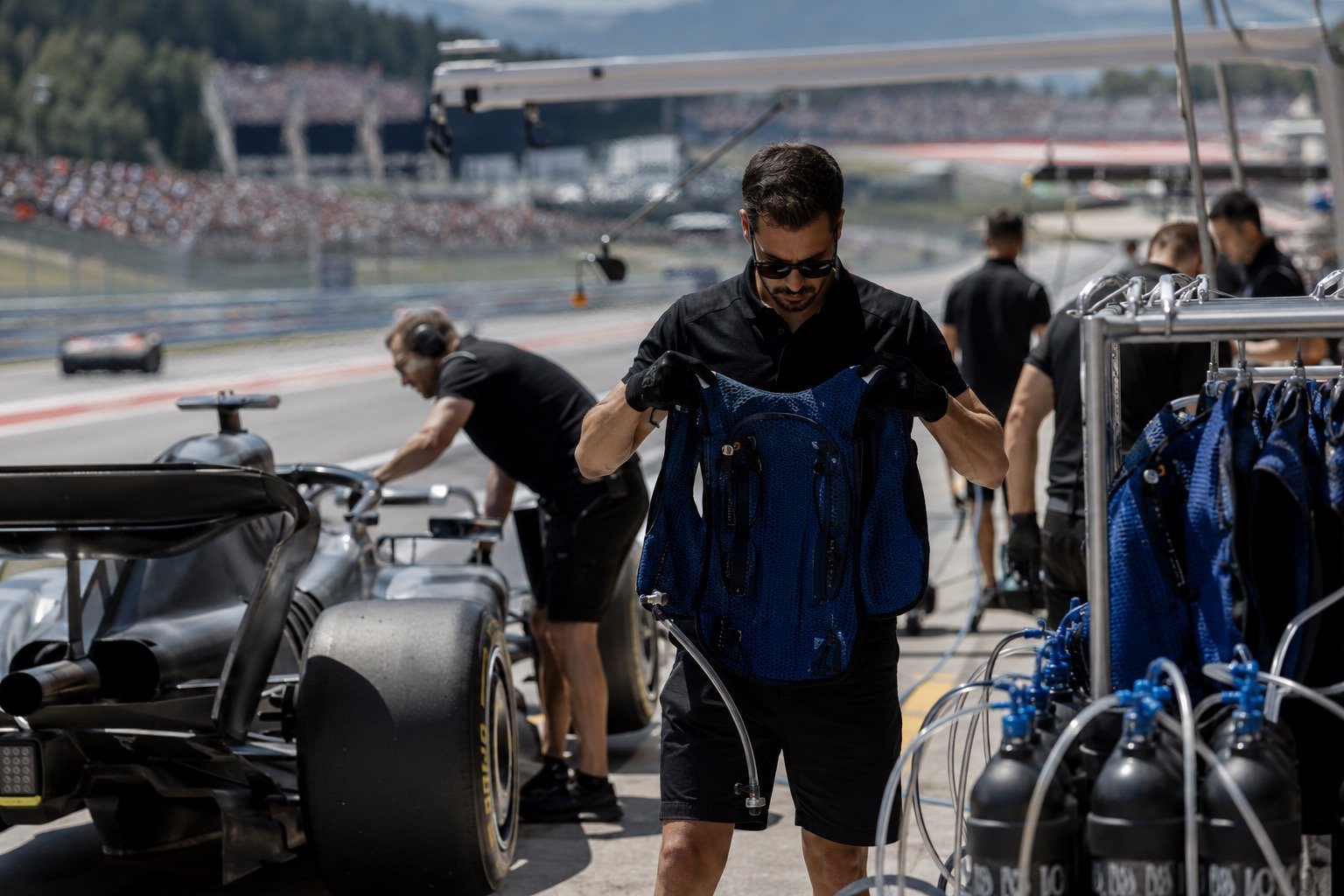
Austrian Grand Prix declared a heat-hazard race
The FIA has applied its heat-hazard designation to the Spielberg weekend, forcing teams to fit driver cooling systems as a European heatwave bites.