World Cup kicks off as Mexico beat South Africa in Azteca opener
The expanded 48-team tournament, jointly hosted by Mexico, the United States and Canada, began with a 2-0 home win for Mexico in Mexico City.
Marcus Reeve
Writer ·
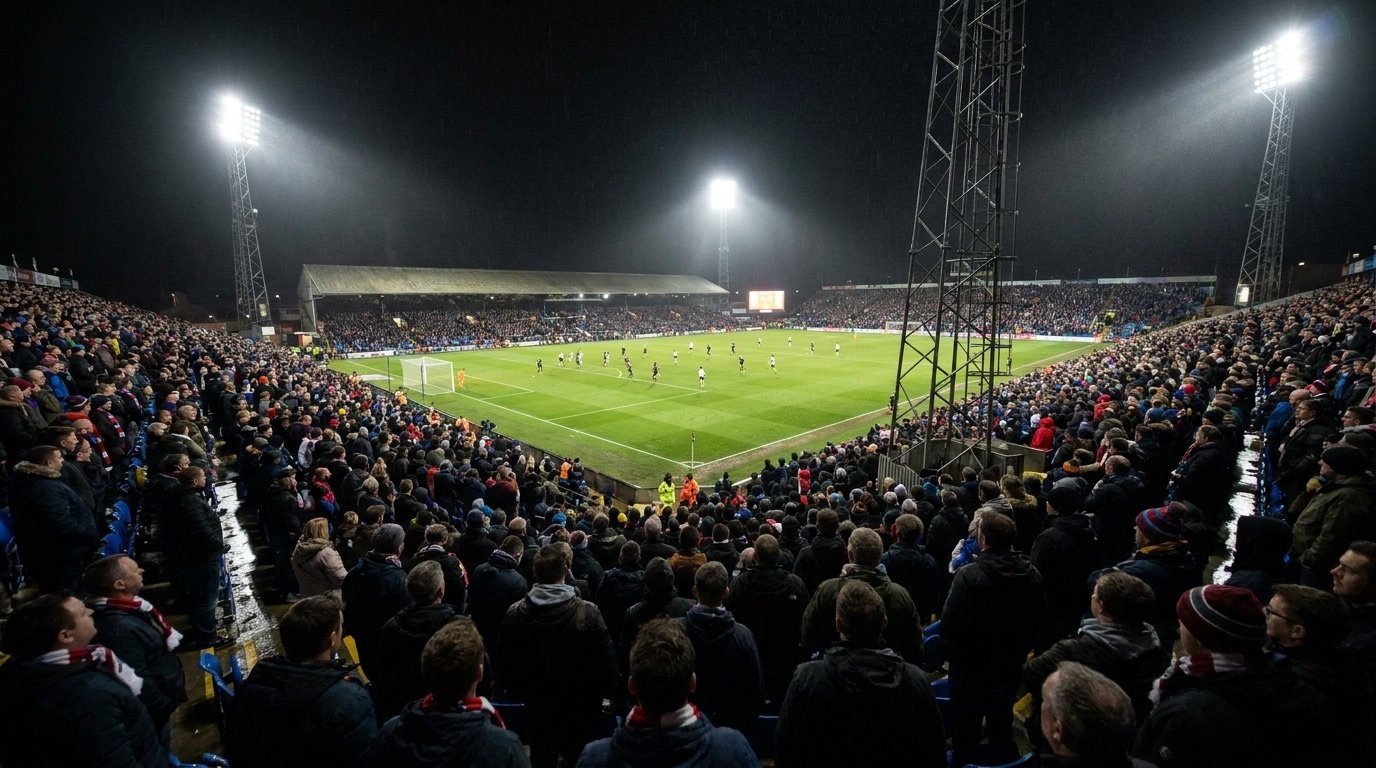
The 2026 World Cup has got under way, with hosts Mexico beating South Africa 2-0 in the opening match in Mexico City to set the largest tournament in the competition's history in motion. The result handed the home side a confident start to a campaign laden with expectation, and gave a global television audience an early taste of a World Cup that has been reimagined in both scale and geography.
Julian Quinones opened the scoring inside the first ten minutes before Raul Jimenez added a second in the second half, giving the home side a comfortable victory in front of a roaring crowd at one of football's most storied venues. The early goal settled any opening-night nerves, and from that point Mexico controlled the tempo against opponents who struggled to find a foothold in the rarefied air of the Mexican capital.
For a nation that has waited decades to once again play a leading role in the sport's showpiece event, the occasion carried significance well beyond the scoreline. The opening fixture is traditionally as much ceremony as contest, and organisers used the night to signal the ambitions of a tournament that will stretch across an entire continent over the coming weeks.
Biggest tournament in the competition's history
This edition is the largest ever staged, with the field expanded from 32 to 48 teams and matches spread across three host nations: Mexico, the United States and Canada. Organisers have billed it as the most ambitious World Cup yet, both in scale and logistics, with a record number of games to be played before a winner is crowned. The enlarged format means more nations than ever before will experience World Cup football, broadening the tournament's reach into regions that have historically been on the margins of the global game.
The expansion has not been without controversy. Critics have questioned whether a larger field dilutes the quality of the group stage, while supporters argue that it spreads opportunity and revenue more widely across the international game. What is beyond dispute is the operational challenge: teams, officials and supporters will travel vast distances between venues spanning multiple time zones, climates and altitudes, placing a premium on squad depth and careful planning.
Hosting duties are shared in a way no previous World Cup has attempted on this scale. The United States will stage the bulk of the fixtures, with Mexico and Canada hosting a smaller share. For Mexico, the tournament marks a return to centre stage for a country with a deep footballing heritage and some of the most passionate supporters anywhere in the world.
A confident start for the hosts
For Mexico, victory on home soil offered an early lift to a side under pressure to perform in front of their own supporters. Expectation around the national team is perennially high, and a clean sheet allied to two well-taken goals will quieten, at least for now, the scrutiny that follows the team at every major tournament. Quinones's early strike set the tone, and Jimenez's second-half finish rewarded sustained pressure as South Africa tired.
South Africa, by contrast, will look to recover when group play continues. Appearing on this stage is itself an achievement, and the squad will take heart from periods in which they competed gamely before the gap in experience and the demands of the venue told. Coaches will point to the schedule ahead as offering ample opportunity to regroup.
- Hosts Mexico opened the 2026 World Cup with a 2-0 win over South Africa
- Julian Quinones scored inside the first ten minutes
- Raul Jimenez added a second in the second half
- The tournament features 48 teams for the first time
- Mexico, the United States and Canada are sharing hosting duties
“An opening night sets the mood for the weeks ahead, and the home crowd gave this tournament exactly the start the organisers were hoping for.”
— A senior tournament organiser
Background
The decision to expand the World Cup to 48 teams was confirmed years in advance, part of a long-term strategy to grow the game's global footprint and commercial value. The three-nation hosting model, the first of its kind, was designed to share the enormous infrastructure burden of staging the modern World Cup while uniting a region that collectively boasts vast stadiums, established competitions and a deep well of supporters.
Mexico City's role as the host of the opening match carries its own history. The capital has staged some of the most memorable moments in World Cup folklore, and returning the tournament's first whistle to the city was a deliberate nod to that legacy. Altitude, atmosphere and a fervent home support combined to make it a formidable place for visiting teams to begin their campaigns.
What happens next
Attention now turns to the rest of the group stage, with dozens of fixtures to be played across the three host nations in the coming days. Mexico will hope to build on their opening win to secure progress to the knockout rounds, while South Africa face a pivotal set of matches to keep their hopes alive. For the tournament as a whole, the opening night was a statement of intent: the largest World Cup ever attempted is now firmly under way, and the eyes of the football world are fixed on North America.
Sources: reporting by Al Jazeera.
The NE Times is an independent news and analysis publisher. Our articles combine factual reporting with clearly-written, impartial analysis. Content is for general information and does not constitute professional advice. Disclaimer.
You may also like to read

Mexico World Cup crowd incident prompts safety questions
A vehicle hit a crowd in Cabo San Lucas after Mexico's win over Czechia, turning celebrations into a public-safety story.
South Africa Reach First Ever World Cup Knockout Stage
Thapelo Maseko's second-half strike beats South Korea 1-0 and sends Hugo Broos's side into a last-32 tie with co-hosts Canada.
Rainbow-trimmed robe at World Cup turns rights message into global story
Exiled Qatari doctor Nasser Mohamed used a traditional bisht with rainbow trim to make a peaceful call for equal rights at the tournament.
Haaland's double sends Norway into the World Cup knockout stage for the first time since 1998
A 3-2 win over Senegal carried Norway into the last 32 and level with France in Group I, with Erling Haaland and Martin Odegaard turning a tournament campaign into a genuine run.