Wrath of the Gods Finishes The Wicker Man Trilogy After 53 Years and a Family Tragedy
Wrath of the Gods completes the trilogy Robin Hardy began in 1973, built from an archive found in an attic and premiering weeks after his son Justin's death.
Culture & Features Editor ·
Why it's trending
A cult horror trilogy has been completed half a century late from papers recovered from an attic, and its FrightFest premiere has become a memorial to the director who finished it.
Few film series take more than half a century to reach the ending their creator imagined; fewer still arrive carrying the loss of two generations of filmmakers.
Watch Wrath of the Gods at FrightFest this week and you are seeing more than a late sequel. The film completes Robin Hardy’s Wicker Man trilogy after a script and creative archive were recovered from six sacks found in an attic. Its premiere will also become a memorial to his son Justin, who died only weeks before the screening.
At a glance
- The Independent/BBC interview — Robin Hardy conceived The Wicker Man as the first part of a trilogy; The Wicker Tree followed in 2011 before his death in 2016.
- The Independent — six sacks of letters, scripts and other Hardy archive material were found in the attic of Justin Hardy’s former family home.
- NME and ScreenDaily — director Justin Hardy died of a heart attack on 31 July 2026 aged 61, weeks before the film’s London premiere.
- ScreenDaily — Wrath of the Gods is the third and concluding film in the trilogy and is due to premiere at FrightFest on 28 August.
- British Council and NME — the Shetland-shot film stars Christiane Schaldemose as a grieving widow returning to an isolated island as children begin to disappear.
- Wrath of the Gods grows from Robin Hardy’s long-unfinished idea for a third Wicker Man film.
- The recovered family archive gave Justin and Dominic Hardy source material for the final chapter.
- The film was shot in Shetland and draws on Norse and island mythology rather than simply recreating Summerisle.
- Its FrightFest premiere will now double as a celebration of Justin Hardy’s life and work.
How did Wrath of the Gods survive for 53 years?
Robin Hardy did not regard the 1973 The Wicker Man as a self-contained creative destination. He imagined a trilogy built around belief, isolation and older forms of religion colliding with modern outsiders. The second chapter, The Wicker Tree, did not arrive until 2011, and Hardy’s death in 2016 at 86 seemed to end the project. What survived was not a normal studio franchise plan but a family archive of drafts, correspondence and ideas. That distinction explains why the final film feels less like a reboot and more like an act of inheritance.
What was hidden in the Hardy family attic?
The breakthrough came after the buyer of Justin Hardy’s former family home discovered six sacks of material linked to Robin Hardy and The Wicker Man. Dominic Hardy told the BBC, in an interview carried by The Independent, that the sacks contained letters, scripts and other archive material. ScreenDaily said the collection also held storyboards, legal documents and creative notes. The brothers did not simply uncover a finished production package; they found enough original thinking to reconstruct where their father wanted the mythology to go.
How does the new film connect to The Wicker Man?
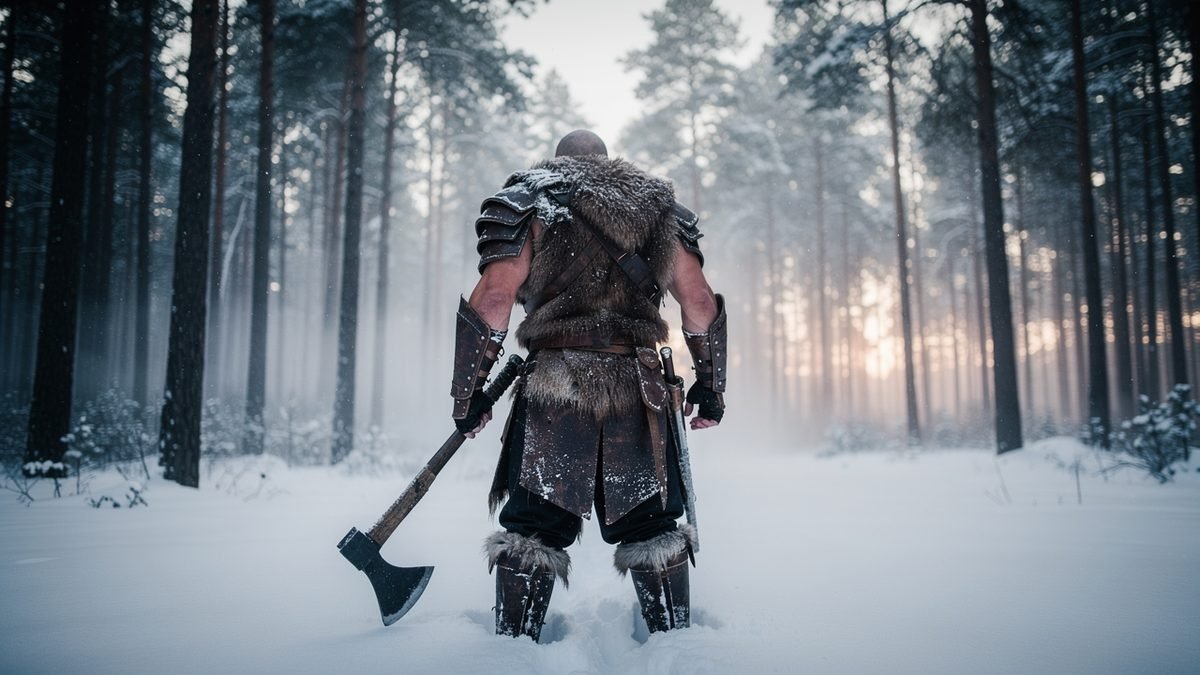
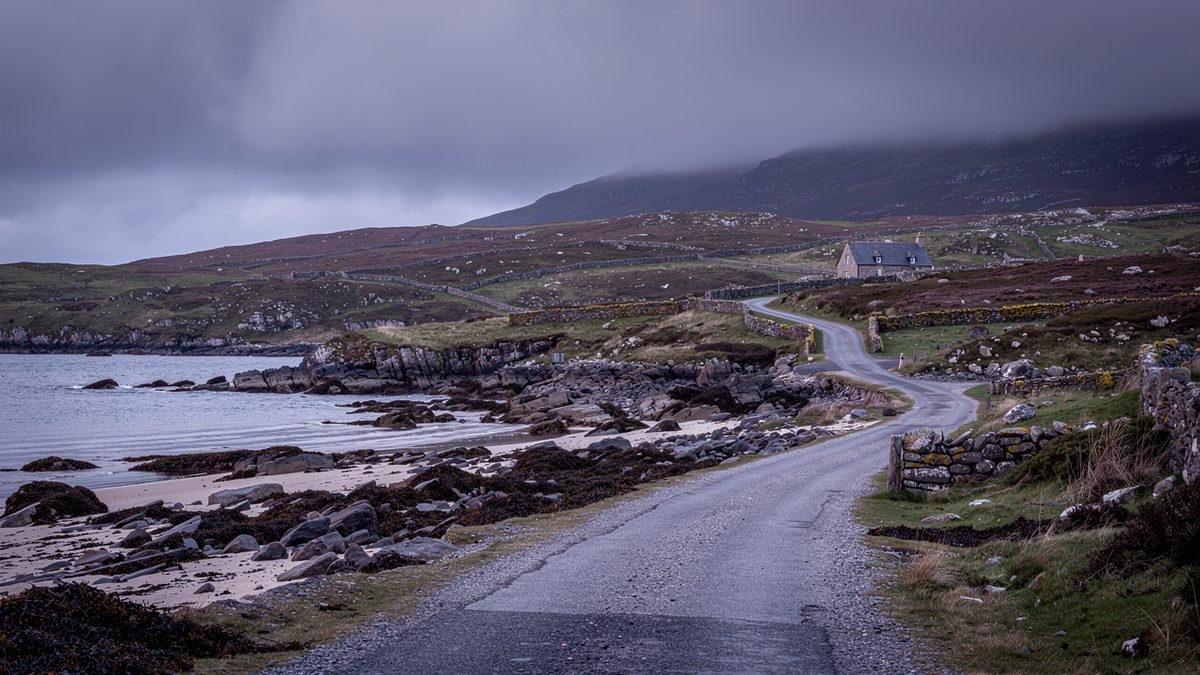
Wrath of the Gods follows Anna, played by Norwegian actor Christiane Schaldemose, a grieving widow who returns to the remote isle of Hel to bury her husband after his death. NME describes locals treating her as a symbol of bad luck as children begin to disappear. The echoes of the original are deliberate: an outsider enters a closed island community and discovers that local belief operates by different rules. But the setting shifts to Shetland and the mythology leans towards Norse traditions, allowing the film to rhyme with Summerisle without simply restaging it.
Why is the FrightFest premiere so poignant?
Justin Hardy wrote and directed the film and had been preparing for its world premiere when he died of a heart attack on 31 July at 61. NME and ScreenDaily reported that his family described him as energised by the approaching screening. FrightFest is scheduled to show the film in London on 28 August, and the event will now also celebrate his life. That turns a franchise milestone into something more private: a son completed his father’s unfinished trilogy, then died before he could watch it meet an audience.
Can a cult trilogy survive without copying its original?
That is the creative risk. The Wicker Man has been imitated so often that returning to isolated islands, ritual and folk belief can look like self-parody. The new film’s strongest defence is specificity. It uses Shetland locations, local mythology and a story centred on grief and missing children rather than reconstructing Sergeant Howie’s investigation. Dominic Hardy told NME that the film is more serious and visceral than the original’s game-like structure. Whether viewers agree will decide if the trilogy feels completed or merely extended.
What happens next
Wrath of the Gods premieres at FrightFest on Friday 28 August, with wider distribution still to be watched. The screening will close a 53-year creative arc that passed from Robin Hardy to two of his sons and through an archive that could easily have been lost. Future reviews will judge the film on its own merits, but its existence is already unusual. A cult classic produced an unfinished family ambition, and that ambition survived long enough to become a final film.
Sources & verification
- The Independent — primary reporting and official updates
- Reporting reviewed on 24 August 2026; figures as published at that time
Filed under Entertainment · Written by Sophie Bennett