Extreme Heat and Storms Turn America's 250th Birthday Into a Test of Public Ceremony
Washington's July Fourth parade was cancelled in dangerous heat and the National Mall evacuated for storms as America 250 met climate reality.
Marcus Reeve
Writer ·
What happened
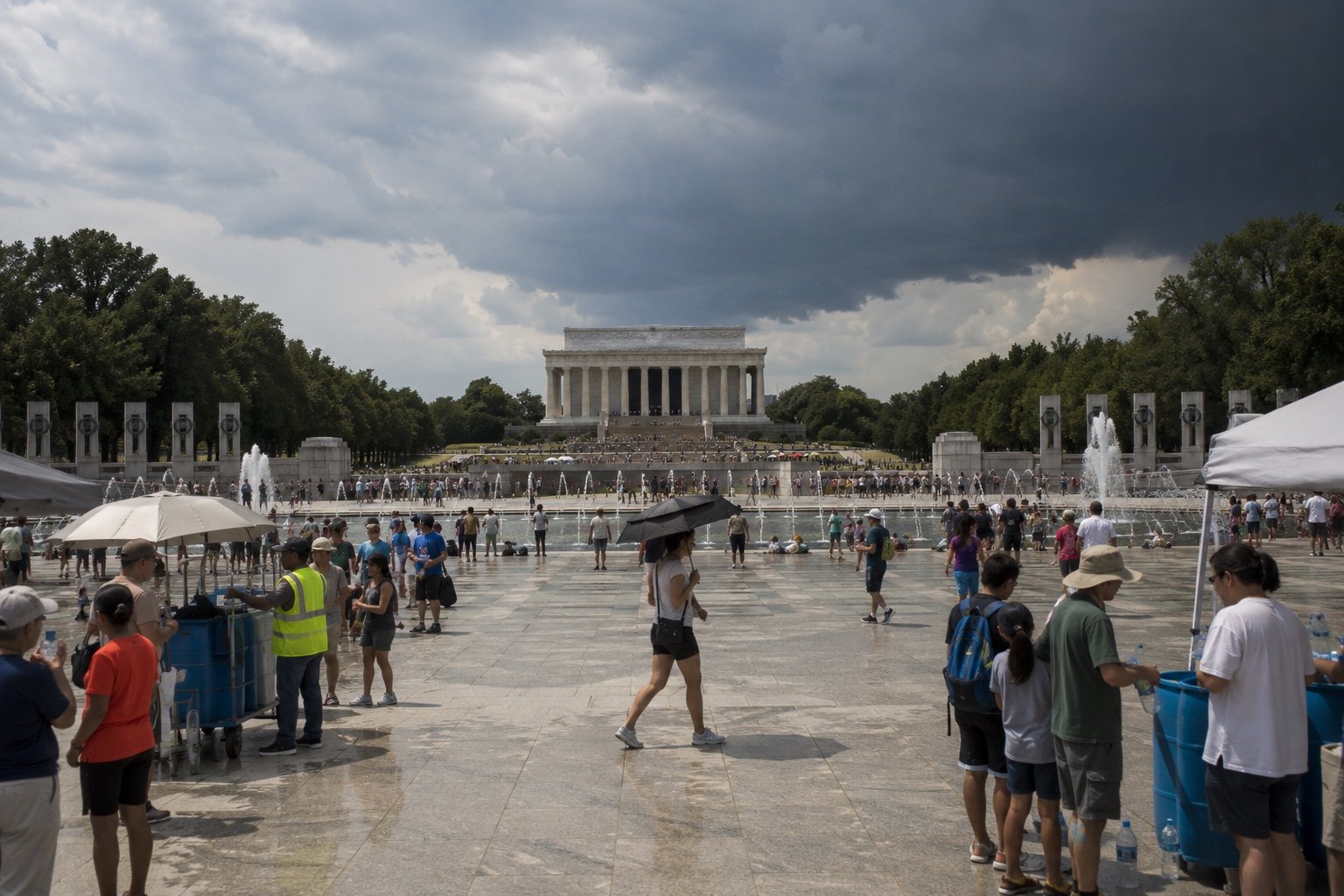
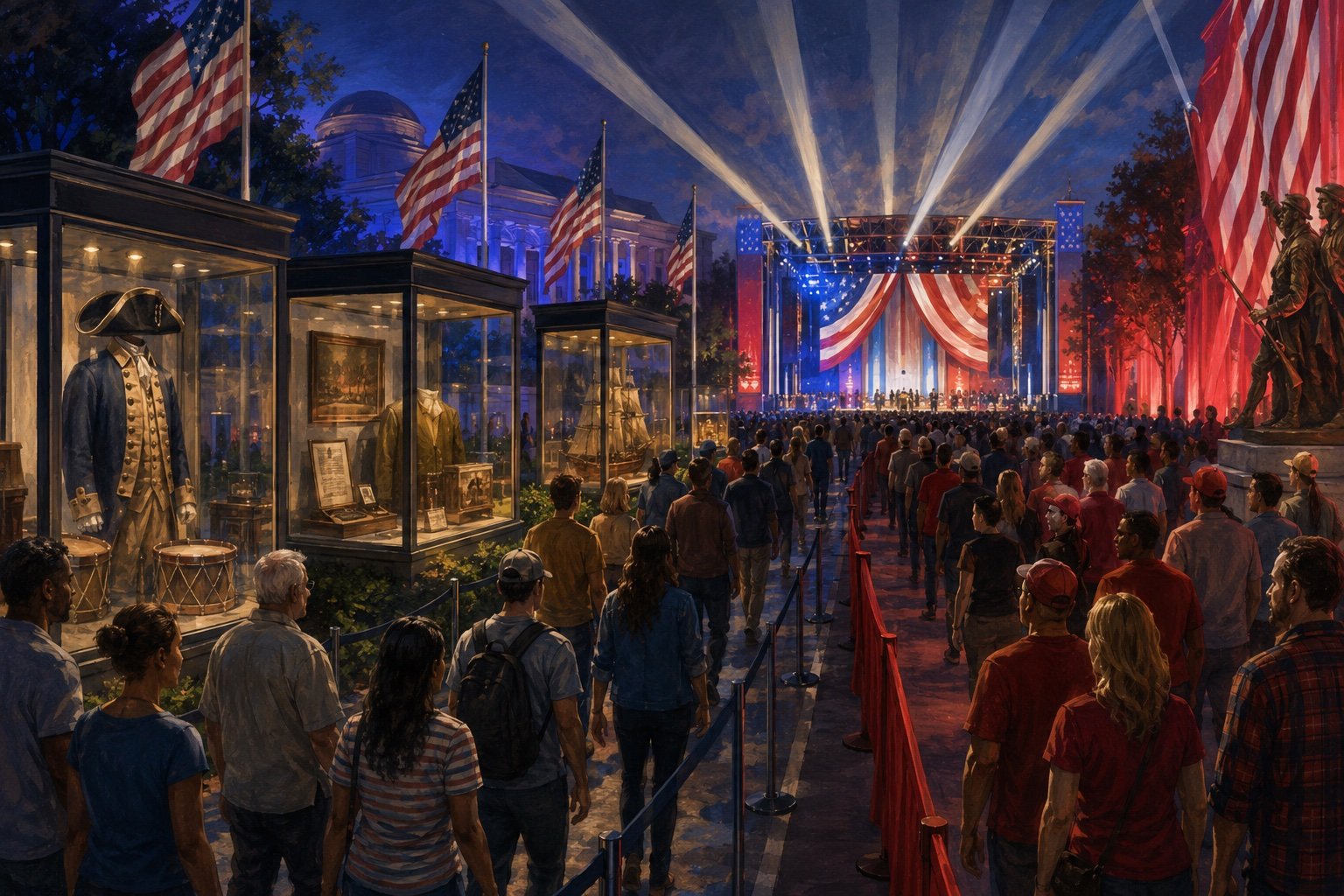
The United States' 250th Independence Day was meant to be a showcase national milestone. Instead, the Associated Press reported the National Mall was evacuated as storms approached ahead of President Donald Trump's July Fourth address, while Washington DC's Fourth of July parade was cancelled amid extreme heat, with the heat index expected to reach dangerous levels above 110F. The disruption unfolded against an already charged backdrop: eve-of-holiday pardons and a Mount Rushmore speech that moved from American exceptionalism into warnings about communism, in what the Guardian described as an explicitly partisan launch to the celebrations.
Why it matters
Public ceremony depends on the promise of orderly spectacle, and extreme heat rewrites those terms. A cancelled parade is not a scheduling footnote; it is evidence that the built habits of civic life are increasingly vulnerable to temperatures that public spaces were never designed for. When attendance becomes a health calculation, heat stops being atmospheric backdrop and becomes a question of democratic access — determining which families, older visitors, workers and performers can safely take part in the national day at all.
The storm evacuation exposed a related fragility. The open space that makes a Mall ceremony visually powerful is also exposed space, and moving crowds into federal buildings mid-programme interrupts the very message of seamless celebration. It is worth being fair here: any administration staging a major outdoor commemoration in these conditions would have faced similar logistical pressure. The difference is that this anniversary was already politically loaded, so weather disruption became part of a larger test of national mood.
The bigger picture
For readers outside the United States, this is a familiar global problem in an unusually visible setting. National days, sporting events, religious gatherings and concerts everywhere now require heat plans, crowd monitoring and rapid weather calls. The deeper question Washington posed is how societies maintain shared public life when the physical environment makes it harder to stage — and the answer is not cancellation, but treating resilience as part of the ceremony itself. Water stations, shade and medical readiness decide whether the public can actually be present; they are as much a statement of national capacity as the fireworks.
What happens next
America 250 events continue through the year, and organisers now have a clear early warning: the programmes that succeed will be those that build adaptation into the design rather than bolting it on. Different audiences will remember this weekend differently — the symbolism, the rhetoric, the heat, the evacuations — but the readings are connected. A national birthday is not only a look backward; it is a live test of present conditions, and in Washington those conditions were hot, stormy and divided.
Sources: reporting by Associated Press.
The NE Times is an independent news and analysis publisher. Our articles combine factual reporting with clearly-written, impartial analysis. Content is for general information and does not constitute professional advice. Disclaimer.
You may also like to read
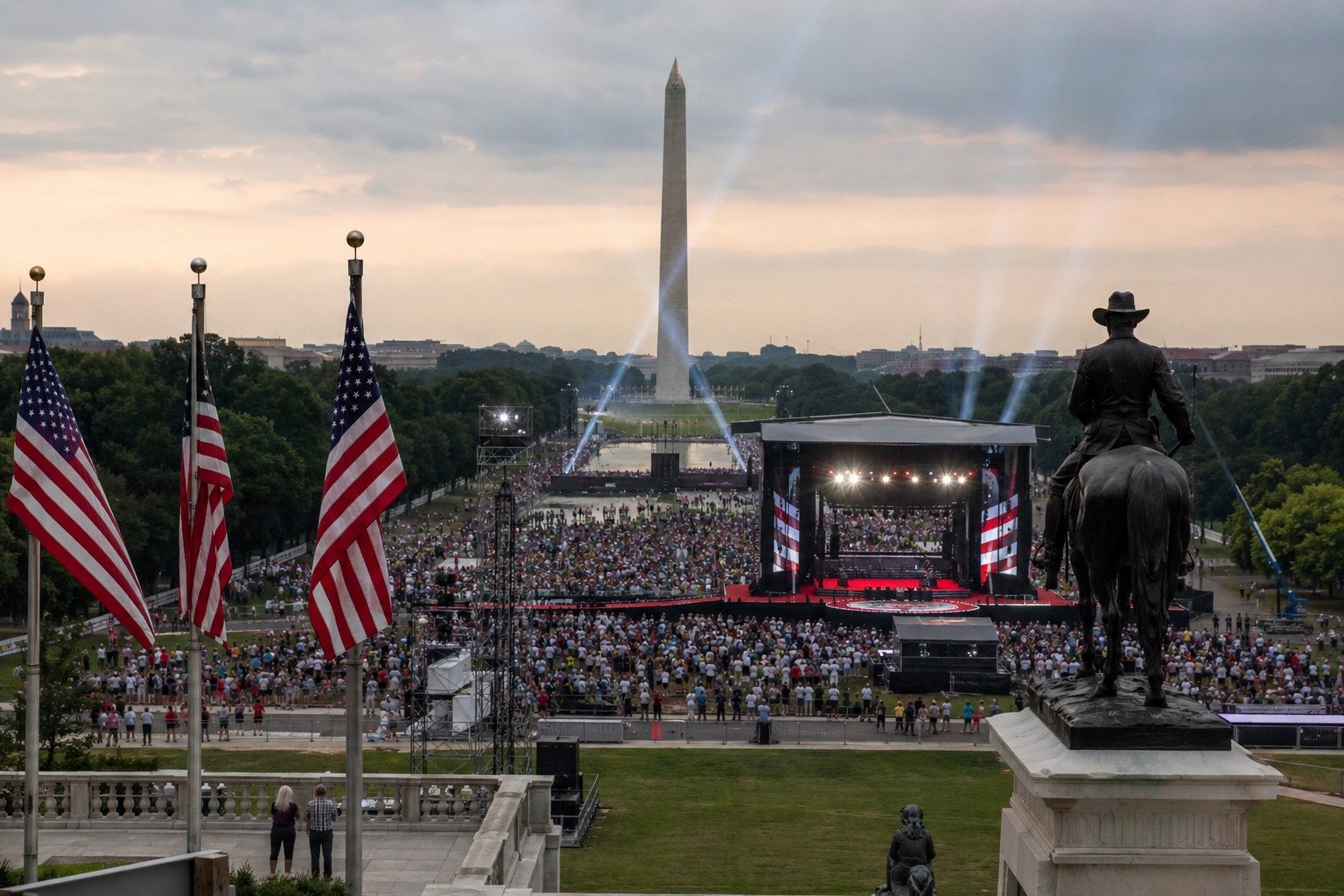
Trump turns America 250 launch into a political test on the National Mall
The president opened the Great American State Fair with a rally-style speech, prompting musical acts to pull out and several states to opt out.
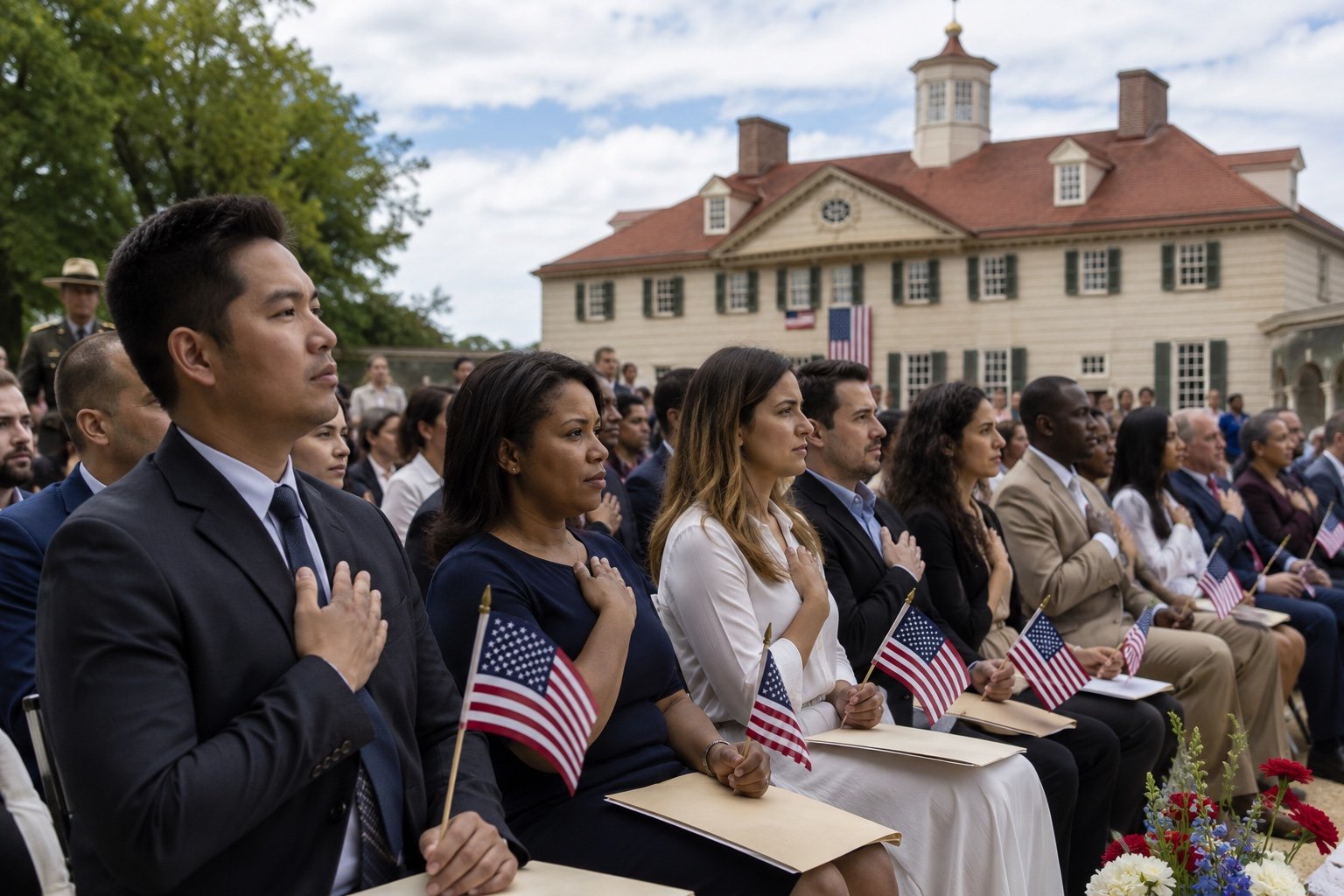
At Mount Vernon, America's 250th birthday became a citizenship story
150 people from 50 countries took the oath of US citizenship at George Washington's estate on 4 July — giving the semiquincentennial a human scale.
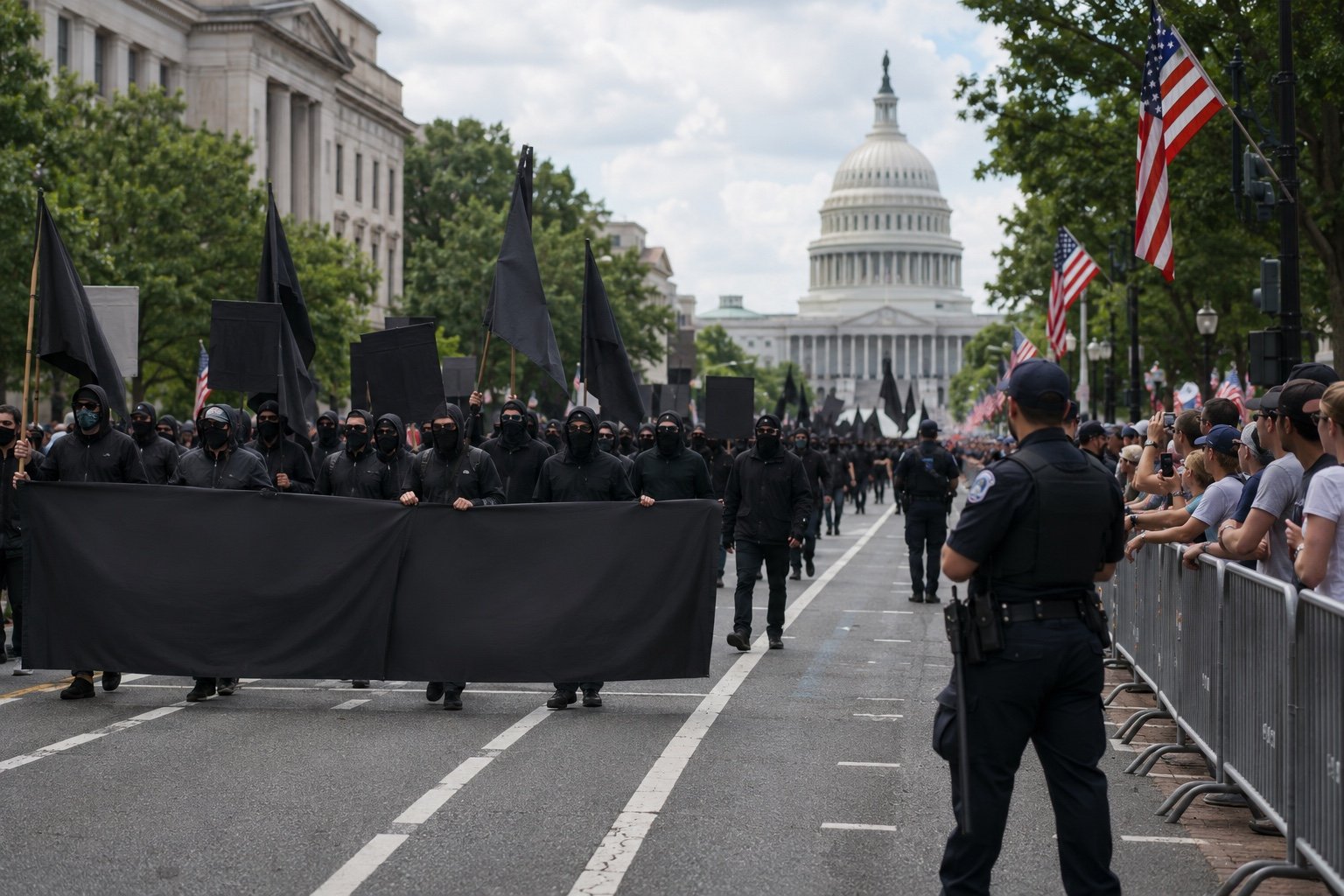
Patriot Front's July Fourth March in Washington Tests How a Capital Handles Extremist Spectacle
A masked Patriot Front march through Washington DC during the US 250th anniversary raises hard questions about public space, symbolism and response.
America's 250th anniversary plans expose rival visions of a national celebration
Preparations for the United States' semiquincentennial are turning into a contest over memory and politics, as competing groups plan sharply different commemorations and the White House seeks a prominent role.