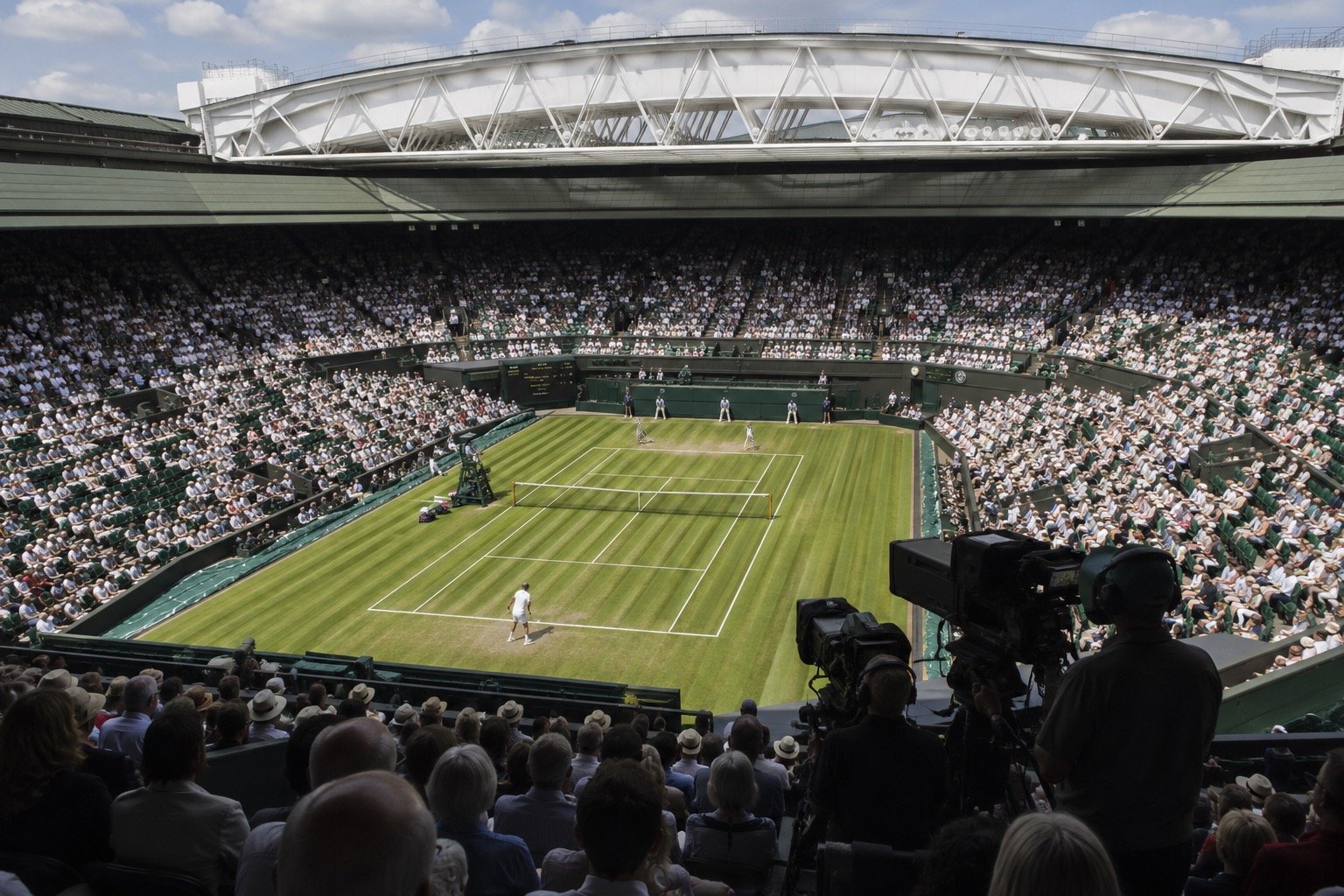
Andrew Castle's final Wimbledon closes a long BBC commentary era
After more than two decades behind the microphone, the former British No 1 will step away from the BBC's Wimbledon team once the 2026 Championships are done.
Sports Editor ·
Why it's trending
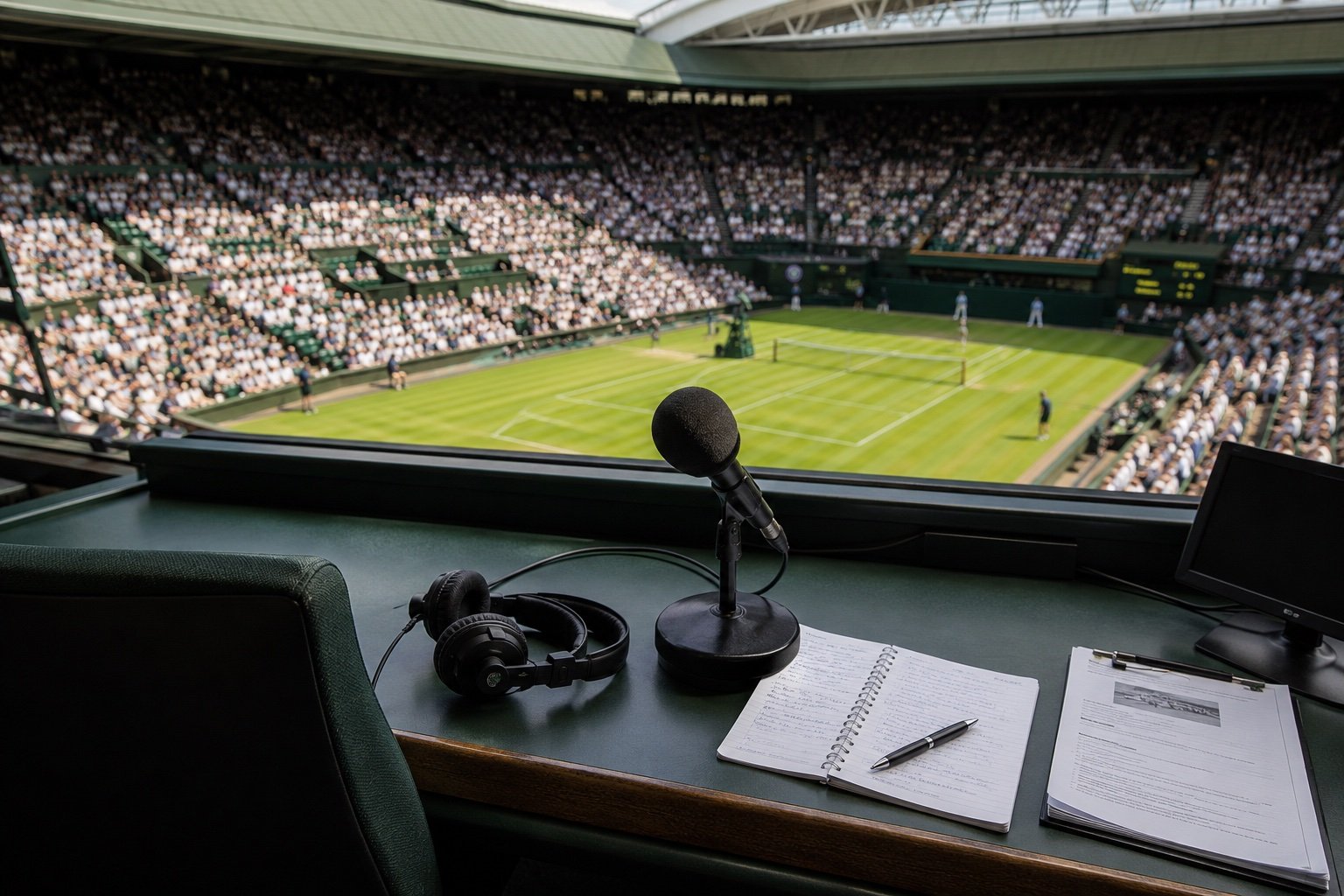
One of the most familiar voices in British sports broadcasting is leaving the Wimbledon commentary box after more than two decades.
For a generation of British viewers, the sound of Wimbledon has been Andrew Castle's voice. According to reporting in The Guardian, the former British No 1 will hang up the microphone once the 2026 Championships conclude, ending a run of more than twenty years as one of the BBC's lead commentators at the All England Club.
Few broadcasters get to narrate the defining moment of their sport. Castle did: he was in the chair for Andy Murray's 2013 final against Novak Djokovic, the match that ended a 77-year wait for a British men's singles champion at Wimbledon and instantly became one of the most replayed pieces of commentary in the corporation's sporting archive.
At a glance
- Andy Murray's historic 2013 Wimbledon title
- More than twenty years as a lead BBC commentator
- A playing career that included spells as British No 1
- Coverage across countless quarter-finals, semi-finals and finals
From player to broadcaster
Castle's authority behind the microphone was built on a playing career that included spells as British No 1 in the late 1980s. He competed at the Grand Slams, represented Great Britain in the Davis Cup and understood from the inside the pressures that Centre Court places on a home player — knowledge that later shaped his even, unhurried commentary style.
After retiring, he took an unconventional route back to the sport, spending years as a breakfast television presenter before settling into the BBC's tennis coverage. That broadcasting apprenticeship taught him the discipline the role demands: knowing when to talk, and — on the biggest points — when to let the crowd tell the story.
Two decades of finals
Since joining the BBC's Wimbledon team, Castle has called countless quarter-finals, semi-finals and finals, spanning the peak years of Roger Federer, Rafael Nadal, Serena Williams, Djokovic and Murray. His voice threads through an era in which the tournament's television audience remained one of the largest in British sport.
Commentary at that level is more exposed than it looks. Every Wimbledon final is watched by millions and clipped for posterity, and the commentator's phrasing becomes part of how the moment is remembered. Castle's understated call of Murray's championship point is a case in point — restrained enough to age well, warm enough to match the occasion.
Why the exit matters to the BBC
The departure leaves a noticeable gap in the BBC's tennis line-up at a delicate time for its sports portfolio. Wimbledon remains one of the corporation's crown-jewel properties, and the commentary team is central to how that coverage feels — a blend of former players, specialist broadcasters and familiar summer voices.
Succession in the commentary box is rarely straightforward. The BBC has a deep bench of former professionals in its coverage, but lead commentary is a distinct craft, and settling on the pairing that will carry the biggest matches of future Championships will take time and experimentation.
A changing sound for SW19
Castle's exit is part of a wider generational turnover in tennis broadcasting, as the voices associated with the sport's golden era gradually step back alongside the players they described. For viewers, the change is subtle but real: the tournament will look the same, yet sound different.
That evolution is not necessarily a loss. New commentators bring new reference points, and the BBC has used recent Championships to give emerging broadcasters bigger matches. But familiarity is part of Wimbledon's comfort, and few voices were more familiar than Castle's.
What happens next
Castle is expected to be part of the BBC team for one final Championships in 2026, giving the tournament a chance to mark the end of an era on air. Attention will then turn to who inherits the lead chair for the finals weekend.
For the man himself, the farewell comes on his own terms — a luxury not every broadcaster is afforded. However the last match of his final fortnight plays out, his place in the soundtrack of British tennis, anchored by that July afternoon in 2013, is already secure.
Sources & verification
- The Guardian — primary reporting referenced by this article
Filed under Sport · Written by Daniel Fletcher