Cash ISA rates in June 2026: where savers can still beat the falling market
With the base rate holding steady and average savings rates drifting lower, the best easy-access and fixed cash ISAs still pay well above 4.5%. Here is how to make your tax-free allowance work harder this summer.
Sophie Bennett
Writer ·
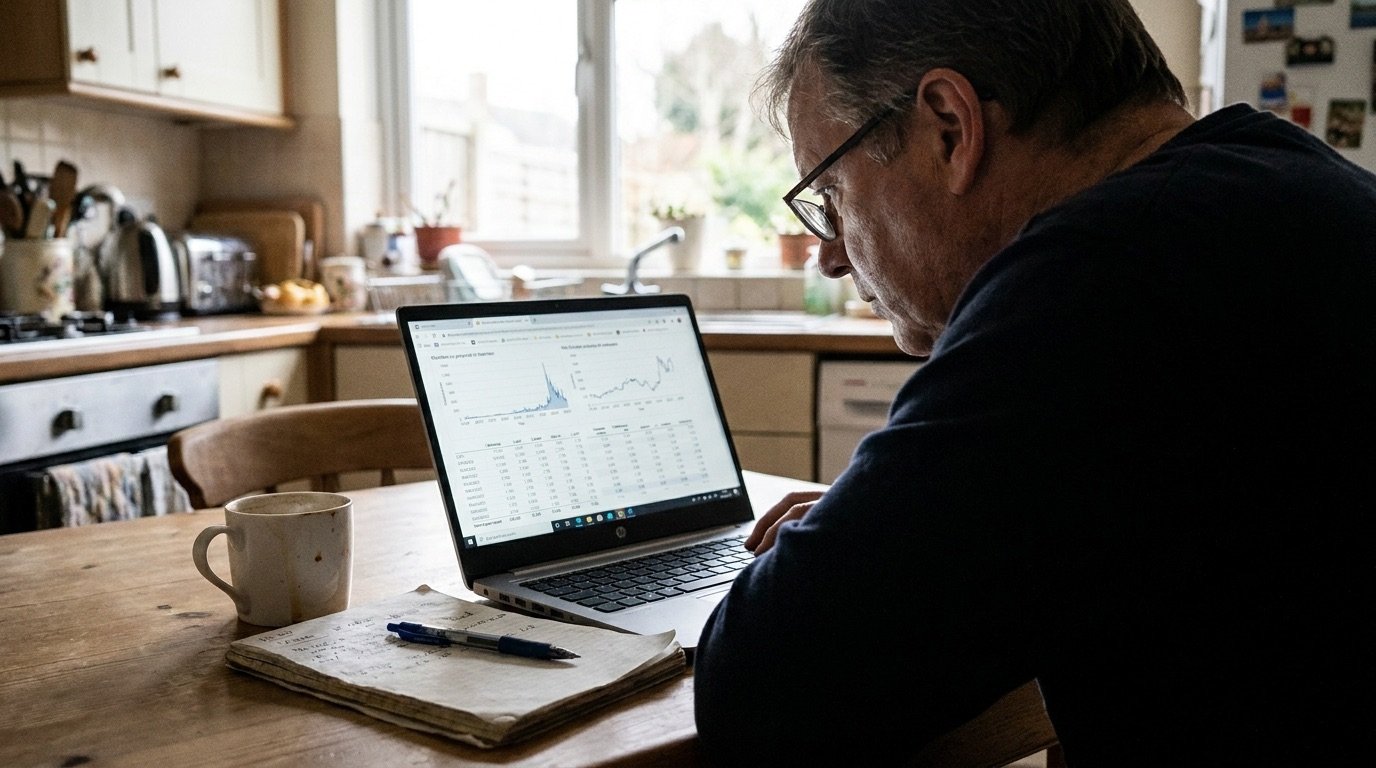
If your savings have been sitting in the same account since the start of the tax year, this is the month to check whether they are still earning their keep. Cash ISA rates remain competitive in June 2026, with the very best deals paying north of 4.7 per cent, but the wider market is drifting downwards, and complacency is quietly costing savers money.
An ISA, or Individual Savings Account, lets you earn interest entirely free of tax up to your annual allowance. For higher earners and anyone with a meaningful pot, that tax shelter has become more valuable as frozen thresholds have dragged more ordinary savers into paying tax on regular savings interest. The headline rates are only part of the story; the tax treatment is what makes an ISA worth a careful look.
The challenge is that rates change constantly, the best buys are often from less familiar banks, and the difference between a good account and a lazy one can run to hundreds of pounds a year on a sizeable balance.
The state of the market
The backdrop is a Bank of England base rate that has been held steady at 3.75 per cent, following a series of cuts over the past year or so as inflation settled well below its earlier peak. As the base rate has eased, average savings and ISA rates have edged lower with it, which is precisely why the gap between the best and worst accounts matters so much right now.
As of mid-June 2026, the top easy-access cash ISAs were paying around 4.7 to 4.8 per cent AER, though some of the very highest figures include an introductory bonus that drops away after a year. Fixed-rate ISAs, where you lock your money away for a set term, were offering rates in the region of 4.7 per cent across one-, two- and five-year deals from a range of challenger banks and specialist providers.
“The single biggest mistake savers make is loyalty. Leaving money in an old account paying a fraction of the best rate is the easiest way to lose hundreds of pounds a year without noticing.”
— A consumer finance specialist
Easy access or fixed?
The right choice depends on when you will need the money. An easy-access ISA lets you dip in whenever you like, which suits an emergency fund or any pot you might call on at short notice, but the rate can be cut at any time. A fixed-rate ISA pays a guaranteed return for the term, useful if you are confident you can leave the money untouched and want certainty, but it usually penalises early withdrawals.
A common compromise is to split the difference: keep a few months of essential spending in an easy-access account, then lock the rest into a fixed deal to capture the certainty. With rates broadly similar across terms at the moment, there is little reward for tying money up for five years rather than one, so many savers are favouring shorter fixes to keep their options open.
Before you move anything, run through the basics:
- Check whether the headline rate includes a temporary bonus that expires
- Confirm the provider is covered by the Financial Services Compensation Scheme, protecting up to £85,000
- Use an ISA transfer rather than withdrawing and redepositing, so you keep the tax-free status
- Note the minimum opening balance, as some top deals require £1,000 or more
- Diarise the date any fixed term ends so the money does not roll into a poor rate
Background
Cash ISAs have been a fixture of British saving since the late 1990s, and their appeal rises and falls with interest rates and tax policy. After years in which rock-bottom rates made the tax break almost irrelevant, the higher-rate environment of recent years has put ISAs firmly back in focus, especially for savers caught out by tax on ordinary interest as personal savings allowances failed to keep pace.
There has also been a steady drumbeat of debate about the future shape of ISAs and how generous the cash allowance should be, which makes using your current allowance while it stands a sensible precaution rather than a gamble.
What to do now
Compare the live best-buy tables before committing, since rates move week to week, and act sooner rather than later if you are sitting on cash earning little. The combination of a steady base rate and a gently falling market means the best deals available today may not be beaten any time soon, so locking in a strong rate, or at least moving an idle balance somewhere competitive, is the practical step that pays for itself.
Sources: reporting by Which?.
The NE Times is an independent news and analysis publisher. Our articles combine factual reporting with clearly-written, impartial analysis. Content is for general information and does not constitute professional advice. Disclaimer.
You may also like to read
July's energy price cap rise is 'voluntary', says Martin Lewis - here's how to dodge it
The cap climbs to £1,862 a year for a typical household on 1 July, but the consumer champion says most people on standard tariffs can sidestep the increase entirely.

US Student Loan Overhaul Makes July a Deadline, Not a Footnote
SAVE borrowers have 90 days to pick a new repayment plan or be moved automatically, as new US borrowing caps reshape graduate and Parent PLUS lending.

Households face second year of rising water bills as infrastructure debate sharpens
The typical water and wastewater bill in England and Wales is climbing again in 2026-27, with regulators and companies clashing over whether the increases are fixing a fragile system or punishing customers.

The thermostat question: why the smartest air-conditioning setting is neither off nor arctic
Experts say raising the thermostat for hours beats switching cooling off entirely — advice with cost, health and grid stakes as heat waves intensify.