July's energy price cap rise is 'voluntary', says Martin Lewis - here's how to dodge it
The cap climbs to £1,862 a year for a typical household on 1 July, but the consumer champion says most people on standard tariffs can sidestep the increase entirely.
Sophie Bennett
Writer ·
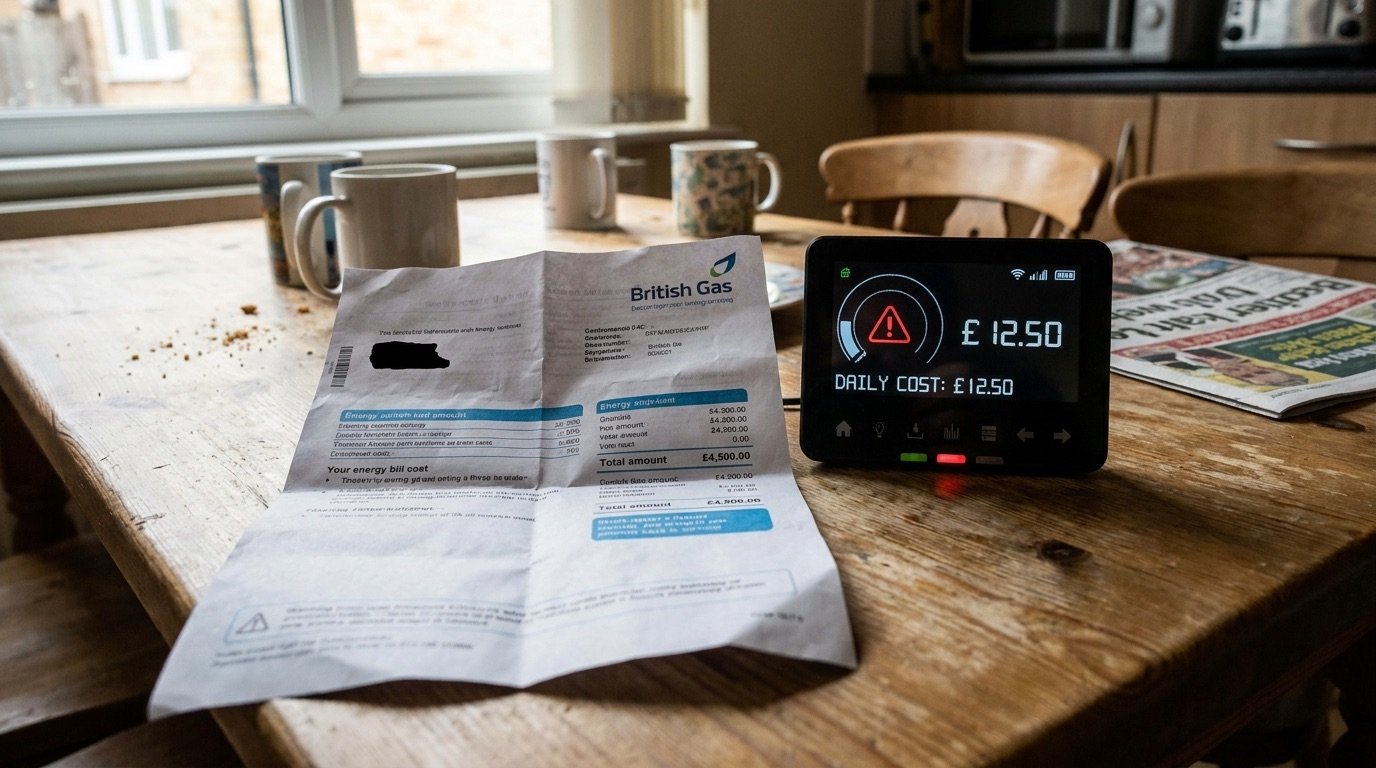
Households braced for another jump in energy costs have been handed a get-out clause. From 1 July the Ofgem price cap rises by around 13.5%, taking a typical direct-debit bill from £1,641 to £1,862 a year, an increase of roughly £221. But Martin Lewis argues that for most people, paying it is a choice rather than a certainty.
The crucial point is that the cap only governs standard variable tariffs. Anyone who locks into a fixed deal is shielded from the rise, and according to MoneySavingExpert a handful of fixes are currently sitting below the existing cap by up to about 4%.
It is a message that cuts against a common misconception. Many people assume the price cap is the cheapest deal available, a kind of protective ceiling beyond which no one can be charged. In reality it is a default, the rate you fall onto if you do nothing, and history suggests doing nothing has rarely been the best financial move in the energy market.
What the price cap actually is
Ofgem's price cap does not cap your total bill. Instead it limits the unit rates you pay for gas and electricity, plus the daily standing charges, for customers on a standard variable tariff. The widely quoted figure, this time £1,862, is what a household with typical consumption would pay over a year; a larger home that uses more energy will pay more, and a smaller one less. The cap is reviewed and reset every three months, which is why the conversation about its level recurs so often.
Because the cap moves with wholesale energy prices, it is inherently unpredictable. When wholesale costs spike, the cap rises at the next review; when they fall, it eases. A fixed tariff, by contrast, sets your unit rates for the duration of the contract regardless of what the cap does, trading the possibility of a future fall for the certainty of a known rate. For households that value budgeting stability, that certainty is itself worth something.
Why fixing now could pay off
With further increases predicted for October, Lewis frames switching as the cautious option rather than a gamble. Fixing locks in a known rate, and if you choose one priced under today's cap you start saving immediately while also dodging the summer rise.
The logic is worth spelling out. If a fixed deal is priced below the current cap and the cap is about to rise, switching delivers a saving on two fronts: you pay less than you do today, and you avoid the increase that is coming. Even a fix priced fractionally above today's cap can make sense if it sits comfortably below where the cap is forecast to go later in the year, because the comparison that matters is against the average rate you would pay over the whole contract, not just today's snapshot.
Before committing, there are a few checks worth running so that a switch does not come back to bite you.
- Run your home's actual annual usage, in kilowatt hours, through a comparison tool rather than relying on the headline typical figure.
- Check the exit fees on any fixed deal in case prices fall and you want to leave early.
- Compare the length of the fix: a longer term gives more certainty but less flexibility if the market drops.
- Look at the standing charges as well as the unit rates, as a low unit price can be offset by a high daily charge.
- Act before the new cap lands on 1 July to capture the full benefit of switching early.
“Everyone on the Price Cap should consider getting off it, if they can, for example by locking in a fixed rate below the current Cap.”
— Martin Lewis, MoneySavingExpert
Different ways of paying, different caps
The headline cap figure applies to customers who pay by monthly direct debit, but it is not the only number that matters. For prepayment customers the cap rises to £1,812 a year, while standard credit billing, where you pay on receipt of a bill, climbs to around £2,005. That gap means the households paying the most are often those least able to access the cheapest direct-debit deals, a long-standing wrinkle in the way the market treats different payment methods.
It is also a reminder that the savings on offer from switching are not trivial. For a household on standard credit billing, moving to a competitive fixed direct-debit deal could shave a meaningful sum off the annual cost, before the July rise is even taken into account. The barriers are sometimes practical rather than financial, but for anyone able to set up a direct debit, the maths usually favours doing so.
What it means for you
The broader context is a market that has stabilised compared with the turmoil of recent years but remains volatile enough that passivity carries a cost. The era when energy switching could be ignored without consequence is over, and the quarterly rhythm of the cap means there is almost always a decision worth revisiting.
The practical advice, then, is to treat the July rise as a prompt rather than an inevitability. Dig out a recent bill, find your annual usage, run a comparison, and weigh up a fix that sits below the current cap. For many households the difference between acting and not acting will be the £221 increase itself, and quite possibly more once October's expected rise is added to the picture.
Sources: reporting by MoneySavingExpert.
The NE Times is an independent news and analysis publisher. Our articles combine factual reporting with clearly-written, impartial analysis. Content is for general information and does not constitute professional advice. Disclaimer.
You may also like to read
Cash ISA rates in June 2026: where savers can still beat the falling market
With the base rate holding steady and average savings rates drifting lower, the best easy-access and fixed cash ISAs still pay well above 4.5%. Here is how to make your tax-free allowance work harder this summer.

US Student Loan Overhaul Makes July a Deadline, Not a Footnote
SAVE borrowers have 90 days to pick a new repayment plan or be moved automatically, as new US borrowing caps reshape graduate and Parent PLUS lending.

Energy bills set to jump 13% in July as price cap climbs back above £1,860
Households face a £221 increase in typical annual energy costs from 1 July after the regulator confirmed a 13% rise in the price cap, driven by higher wholesale gas prices linked to renewed conflict in the Middle East.

Energy bills to jump 13% from July as Ofgem blames Middle East gas prices
The regulator's latest price cap will add around £18 a month to a typical dual-fuel bill from 1 July, with gas costs rising by almost a quarter as conflict abroad drives up wholesale prices.