Better Late Than Single: The Dating Show About Confidence
Format spotlight · The dating show that starts with the person, not the date
Culture & Features Editor ·
Most dating shows begin with the date. Better Late Than Single begins somewhere far more interesting — with the person, and with the reasons they have never had one. It is a format built not around the pursuit of romance but around the work required before romance is even possible, and that single shift in emphasis makes it one of the more thoughtful entries in a crowded genre.
The premise. The show gathers participants who, for a variety of reasons, have never dated — adults who have reached a point in life without romantic experience, whether through shyness, circumstance, self-doubt, social anxiety or simply never having found the right moment. They move in together and, with guidance and support, work toward the goal of a first date and the possibility of a first relationship. The journey, not the coupling, is the point.
Why the premise lands. There is something quietly radical about a dating show that acknowledges a truth most of the genre ignores: that for a great many people, the barrier to romance is not a shortage of suitable partners but something internal. Confidence. Self-image. The paralysing fear of rejection. The sense of having fallen so far behind that catching up feels impossible. By centring participants who have never dated, the show addresses an experience that is far more common than television usually admits, and it does so without mockery.
Transformation, handled with care. The format's engine is personal growth. Participants are supported in building confidence, developing social skills, and confronting the specific fears and beliefs that have held them back. Done badly, this kind of premise could be excruciating — a parade of humiliation dressed up as help. Done well, as the format intends, it becomes genuinely moving: a portrait of people taking a frightening leap, with the show functioning less as a competition than as an act of collective encouragement.
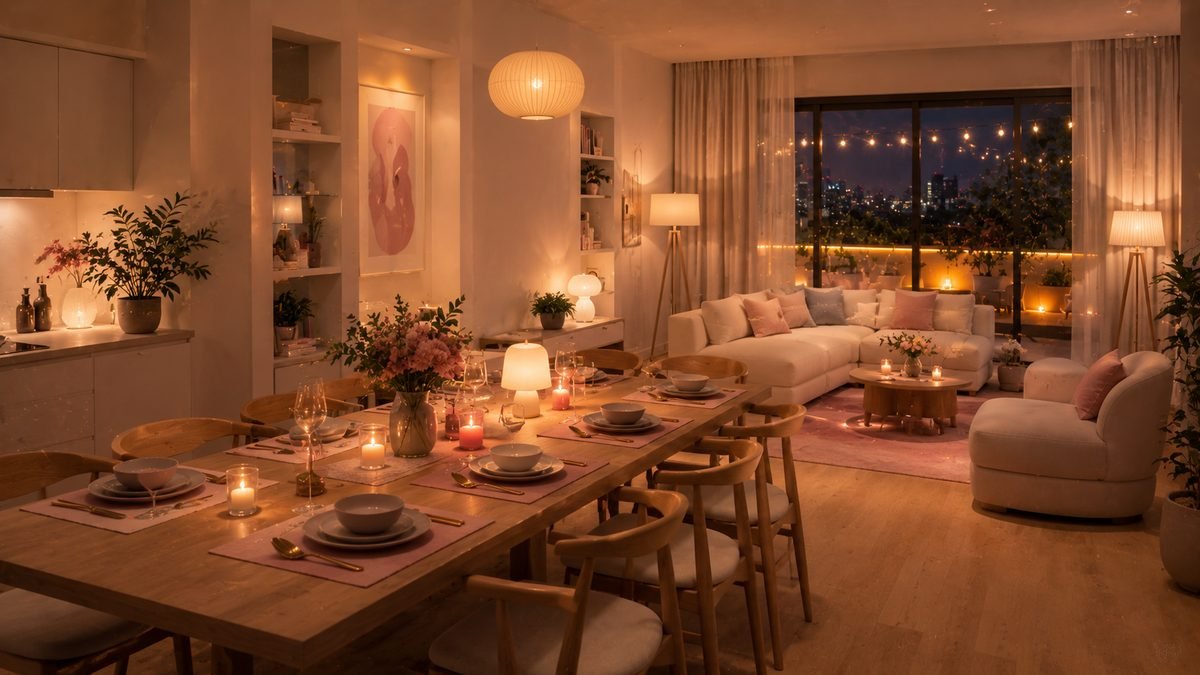
The shared-house dynamic. Housing the participants together is central to how the format works. Because everyone is in the same position, the usual competitive edge of a dating show is replaced by something closer to solidarity. Participants become each other's support network, and much of the show's warmth comes from these friendships — people who have felt isolated by their inexperience discovering that they are not alone. The camaraderie among participants is frequently as affecting as any romance the show produces.
The emotional stakes. The stakes here are unusual for the genre. There is no cash prize, no elimination, no villa politics. What is at stake is far more personal: the possibility of a first connection, and, underneath that, the possibility of believing oneself worthy of one. That makes even small moments carry enormous weight. A conversation that another show would cut for being uneventful can, here, represent a genuine breakthrough. The format finds drama in vulnerability rather than conflict.
Why it feels different. The dating-show landscape is dominated by formats built on physical attraction, competition and spectacle — beautiful people in beautiful places, competing for one another. Better Late Than Single inverts almost all of it. Its participants are not there to be desired; they are there to learn how to let themselves be. Its tone is supportive rather than cutthroat, and its victories are internal. In a genre that often feels emotionally weightless, it offers something with genuine substance.
The risks. A format like this lives or dies on its tone. Handled without care, it risks condescension, or treating its participants as curiosities rather than people. The show's success depends entirely on whether it extends real dignity and respect to those at its centre — whether the audience is invited to root for them rather than to gawp. When the format gets that balance right, it produces some of the most genuinely heartwarming television the dating genre can offer.
The broader appeal. Its themes are far more universal than the specific premise suggests. Almost everyone recognises the fear of rejection, the gap between how one is seen and how one feels, the anxiety of putting oneself forward and risking a no. By dramatising those feelings through participants for whom they have been genuinely paralysing, the show gives them shape — and offers viewers, whatever their own romantic history, something to recognise in themselves.
What to expect. Anticipate a warm, emotionally rich series built around personal growth: participants confronting long-held fears, supporting one another through the process, and taking tentative, hard-won steps toward connection. Expect nervousness, breakthroughs, setbacks and moments of real joy. Expect the first dates, when they come, to feel earned in a way that no villa recoupling ever does. Scheduling and availability for UK audiences were not confirmed at the time of writing, so verify before publishing.
Better Late Than Single asks a question the rest of the genre skips: what if the hardest part of finding love is not finding someone, but becoming someone who believes they can be found? It is a gentler, more generous kind of dating show — one where the real romance, in the end, is with the possibility of change.
Filed under Reality TV · Written by Sophie Bennett