The Traitors US vs UK: Which Version Is Better?
UK vs US · Same game, two very different castles
Culture & Features Editor ·
Now that The Traitors US has been reaching British screens, fans of the homegrown version face a delicious dilemma: is the American cousin a worthy rival, or a brasher imitation of the show Britain fell for? With series four of The Traitors US arriving for UK audiences and Alan Cumming back as its ringmaster, it is the perfect moment to put the two versions side by side and ask what each one does best. Both play the same game — 22 or so players, a handful of secret Traitors, nightly "murders," daily banishments, a five-figure prize — yet the two shows have grown into distinctly different beasts.
Host. This is where the contrast is sharpest. The UK Traitors has Claudia Winkleman, whose genius is restraint: she lets the players carry the drama and intervenes with a raised eyebrow and a wicked deadpan. Alan Cumming, by contrast, is the show. Decked out in a rotating wardrobe of tartan, capes and headwear that grows more outrageous by the episode, he treats the Scottish-castle setting as a stage and himself as its mischievous laird. Where Winkleman is a conductor, Cumming is a co-star. Neither approach is wrong; they simply reflect two national comedy sensibilities — British understatement versus American showmanship.
Casting. The UK edition has leaned heavily on members of the public, mixing in the occasional famous face, which gives it a documentary intimacy — these feel like real people slowly unravelling. The US version has increasingly blended everyday contestants with reality-TV veterans plucked from other American franchises, which raises the theatricality and the strategic gamesmanship. UK Traitors tend to agonise; US Traitors tend to scheme out loud. Both produce great television, but the emotional textures differ.
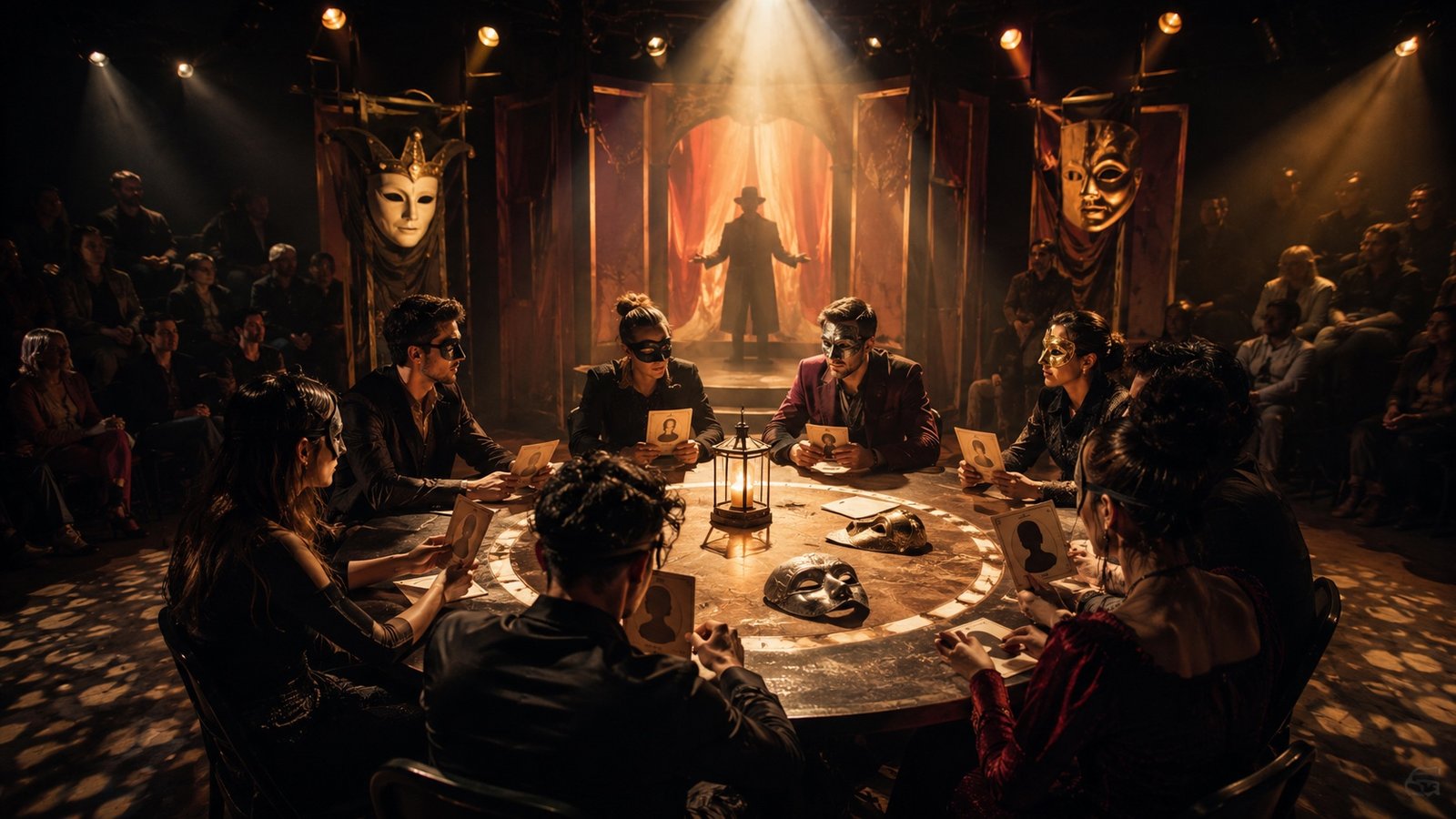
Gameplay tone. British Traitors is a study in social awkwardness and moral discomfort. Players are visibly pained by the deception; banishments often turn on gut feeling and vibes rather than hard logic, and the show mines genuine anguish from decent people forced to lie. The American game runs hotter and faster, with bolder accusations, splashier confrontations at the Round Table, and contestants far more willing to weaponise strategy openly. If the UK version is a slow-burn psychological drama, the US version is a thriller with the contrast turned up.
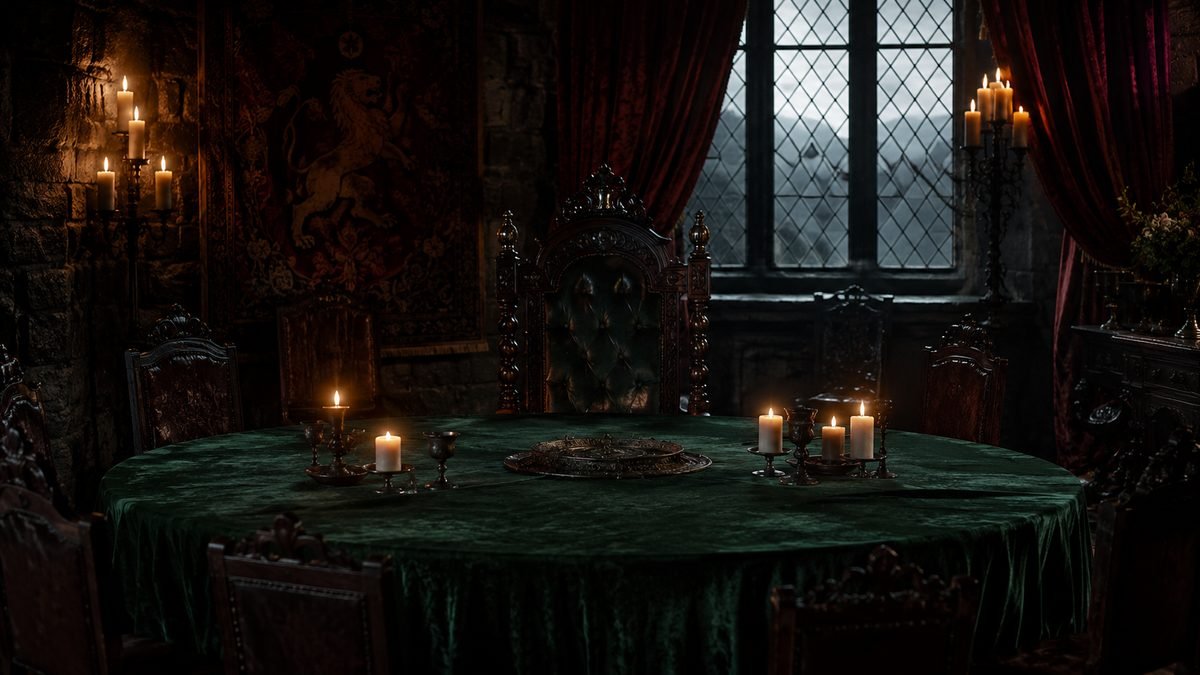
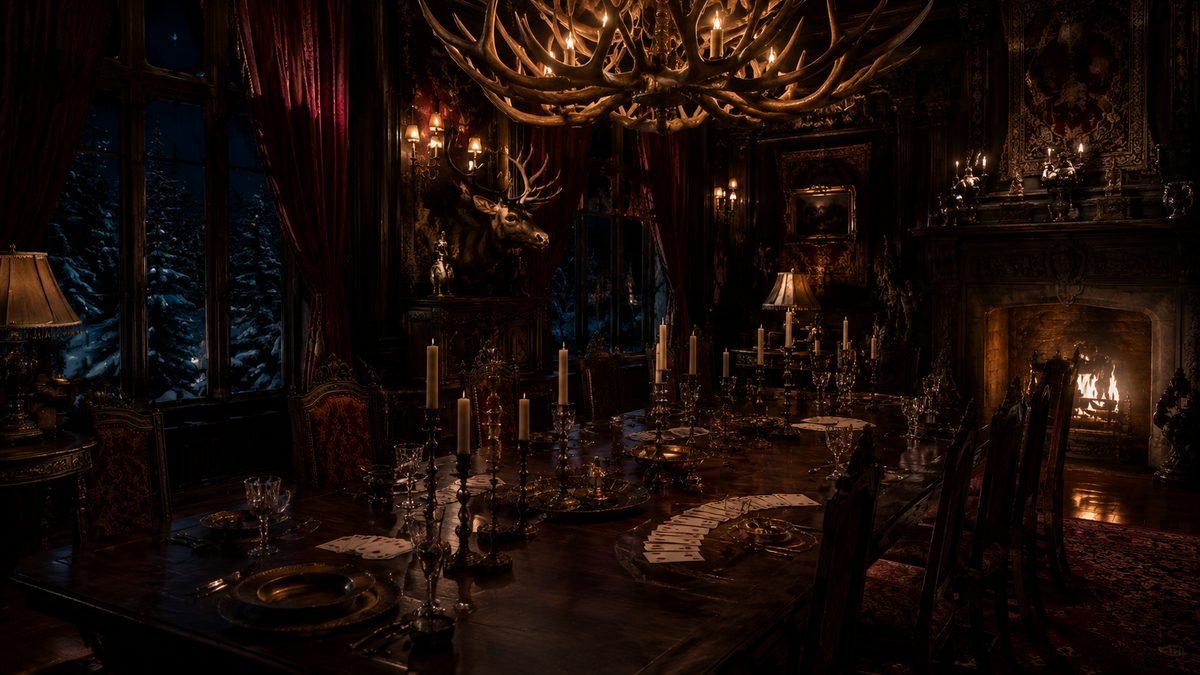
The setting. Amusingly, both are filmed in the same style of grand Scottish castle, giving the US show a slightly surreal quality — American reality stars scheming against a backdrop of Highland mist and stag heads. For UK viewers, that familiar setting makes the US edition feel like a funhouse-mirror version of home: recognisable furniture, wildly different energy.
Which should you watch? The honest answer is both, because they scratch different itches. Come to the UK Traitors for character, subtlety and the exquisite agony of watching honest people talk themselves into banishing the wrong person. Come to The Traitors US for spectacle, pace and Alan Cumming treating every reveal as a one-man theatre production. The beauty of the franchise's global success is that a fan of the format need never run dry; when one castle empties, another fills.
The bigger picture. The fact that a British format has been re-exported back to UK audiences in its American incarnation says everything about how completely The Traitors has conquered the reality landscape. It has become that rare thing: a game show with the prestige of scripted drama and the addictiveness of a soap. Multiple international versions now run in parallel, and there has even been industry chatter about the various Traitors strands competing against one another at awards time — a sign of a brand operating at full power.
For UK viewers, the arrival of The Traitors US series four is simply more of a very good thing. It is the same irresistible engine — trust, betrayal, paranoia and greed — tuned to a different frequency. Watch the two back to back and you get a fascinating lesson in how national temperament reshapes an identical set of rules. The murders are the same. The banishments are the same. The prize is the same. What changes is the people, the host and the volume — and that, it turns out, is enough to make two completely different shows. Faithful or Traitor, on either side of the Atlantic, the only losing move is to trust anyone at all.
It is worth noting, too, how the two versions handle their reveals — those excruciating moments when a banished player turns to the table and announces whether they were Faithful or a Traitor. In the UK, these tend to land as quiet gut-punches, the camera lingering on stricken faces as the group realises it has just made a terrible mistake. In the US, the same moment is played for maximum theatre, with gasps, recriminations and Cumming milking every second of the fallout. That difference in staging captures the whole comparison in miniature: one show trusts silence, the other fills it. For UK fans working out where to invest their loyalty, the smartest move is not to choose at all — watch both, enjoy the contrast, and let each castle scratch a slightly different itch. The trust may be fake on both sides of the Atlantic, but the entertainment is entirely genuine.
Filed under Reality TV · Written by Sophie Bennett