Congo Ebola Treatment Trial Puts Hope and Trust at the Centre of the Response
A new trial in eastern Congo testing remdesivir and the antibody treatment MBP134 is a test of whether science, local trust and logistics can move fast enough.
Sophie Bennett
Writer ·
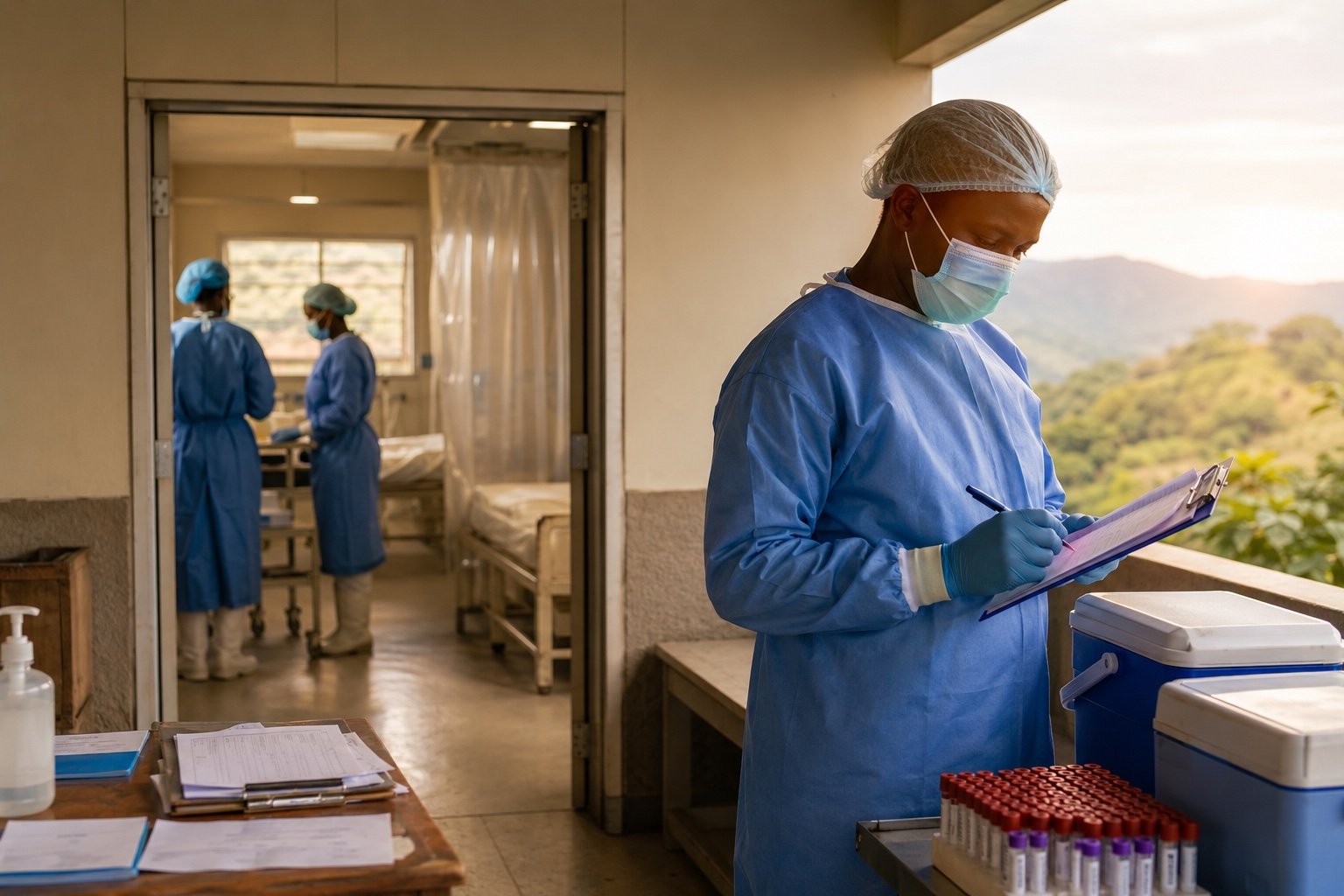
A new Ebola treatment trial in eastern Congo is more than a medical development. It is a test of whether science, local trust and emergency logistics can move quickly enough during an outbreak that is already frightening communities and stretching health systems.
What happened
The Associated Press reported that residents in Bunia are watching the launch of an experimental treatment study for the Bundibugyo strain of Ebola, with researchers testing remdesivir, the antibody treatment MBP134, and a combination of the two. AP said more than 1,400 diagnosed cases and 438 deaths had been reported as the outbreak worsened. The study involves the World Health Organization, Congo's National Institute of Biomedical Research, Oxford University and other partners. Patients are to be followed for 28 days, with the trial initially centred at the Evangelical Medical Center in Bunia and plans to expand.
Why it matters
This is research being conducted in the middle of a public health emergency, and Ebola response is never only about medicine. It is also about whether people arrive at treatment centres early enough, whether families trust the advice they receive, whether security conditions allow teams to work, and whether rumours are answered before they harden into resistance. AP's reporting described both hope and scepticism among residents. That dual reaction is not contradictory; it is exactly what should be expected in a community facing a deadly virus, past trauma and an unfamiliar trial.
Hope matters because fatalism can be dangerous during an outbreak. If people believe nothing can be done, they may delay care, hide symptoms or avoid health workers. A treatment trial, even an experimental one, signals that the response is not limited to isolation and counting cases. But trust cannot be demanded. The language around trials must be precise: a study is not a cure, a promising drug is not a guarantee, and the 28-day follow-up is part of responsible research, not a shortcut to certainty.
The bigger picture
The Bundibugyo strain adds complexity. Much public understanding of Ebola is shaped by previous outbreaks, but not every strain behaves identically or has the same evidence base for treatment. That is why research matters, and why the public conversation should avoid flattening Ebola into a single familiar script. The location raises the stakes further: eastern Congo has faced years of insecurity, displacement and pressure on health infrastructure, and ambulances, protective equipment, staffing, cold-chain logistics and patient tracing all depend on roads, safety and cooperation.
The counter-view
There is a risk in over-reading the moment. The worst outcome would be a trial that is poorly understood, unevenly accessed or framed as a miracle before results are known. Residents clinging to hope are not passive background figures; they are participants in whether the trial succeeds. A person who remains sceptical may still be acting rationally from their own experience if institutions have failed them before. Effective outbreak response must take both positions seriously.
What happens next
The best outcome would be both clinical and social: treatments that improve survival, and a response that strengthens confidence rather than draining it. The difference will depend on careful communication, transparent oversight and practical support for patients and families. For now, the responsible conclusion is cautious optimism. The centre of the story should remain the people living with the risk, in the fragile space where fear, hope and trust meet.
Sources: reporting by Associated Press.
The NE Times is an independent news and analysis publisher. Our articles combine factual reporting with clearly-written, impartial analysis. Content is for general information and does not constitute professional advice. Disclaimer.
You may also like to read
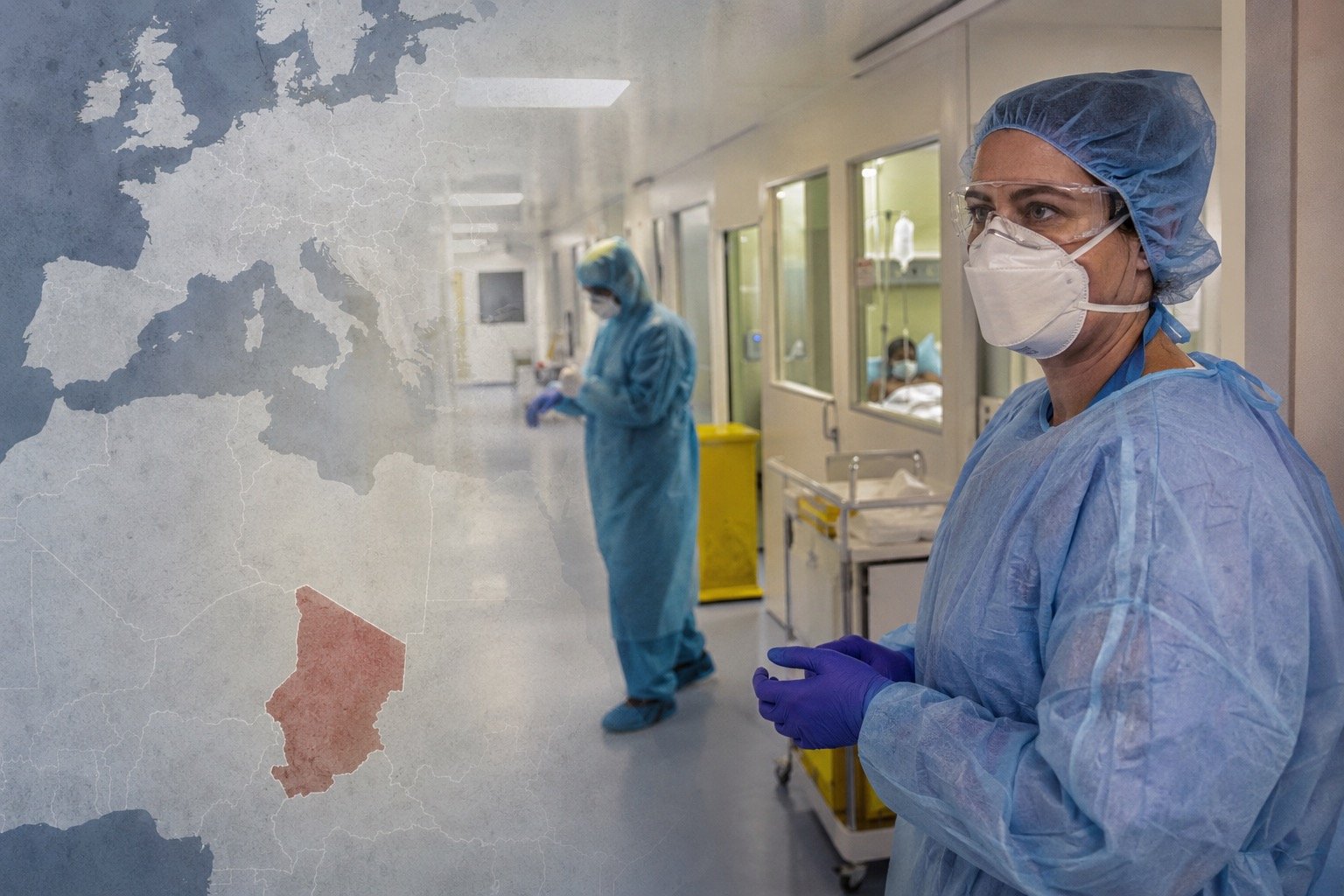
France confirms first Ebola case in doctor who worked in DR Congo
Health ministry says contacts are being traced and the risk to the European public is very low, as attention turns to hospital isolation procedures and cross-border readiness.
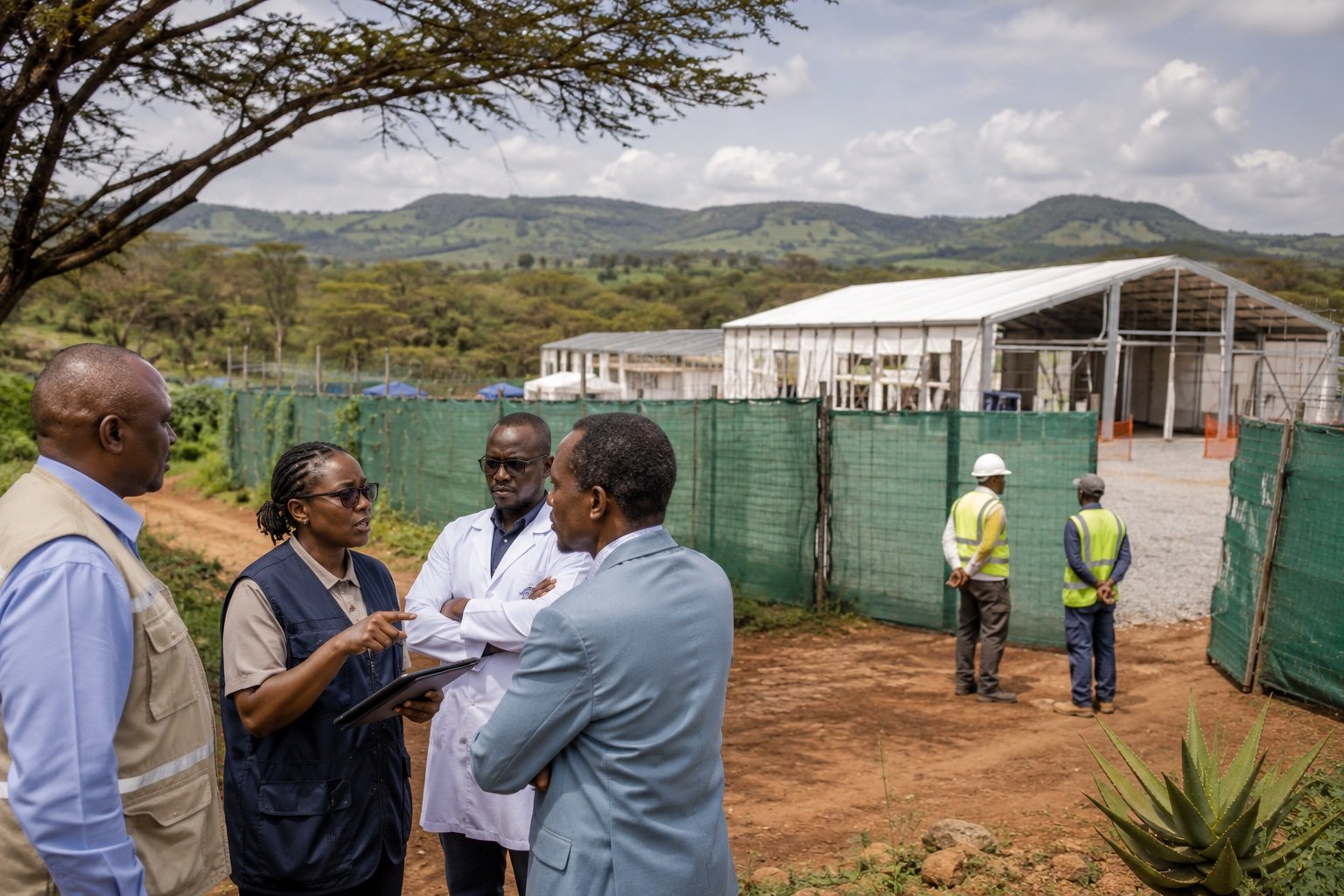
Kenya halts US-run Ebola facility after court pressure and protests
The country's health minister ordered work stopped on a quarantine site amid a contempt finding and public opposition, exposing tensions over sovereignty and health security.

Colombia Edge DR Congo 1-0 to Reach World Cup Knockout Stage
A disciplined defensive display and one decisive moment send Colombia through, while DR Congo exit a campaign defined by narrow margins.
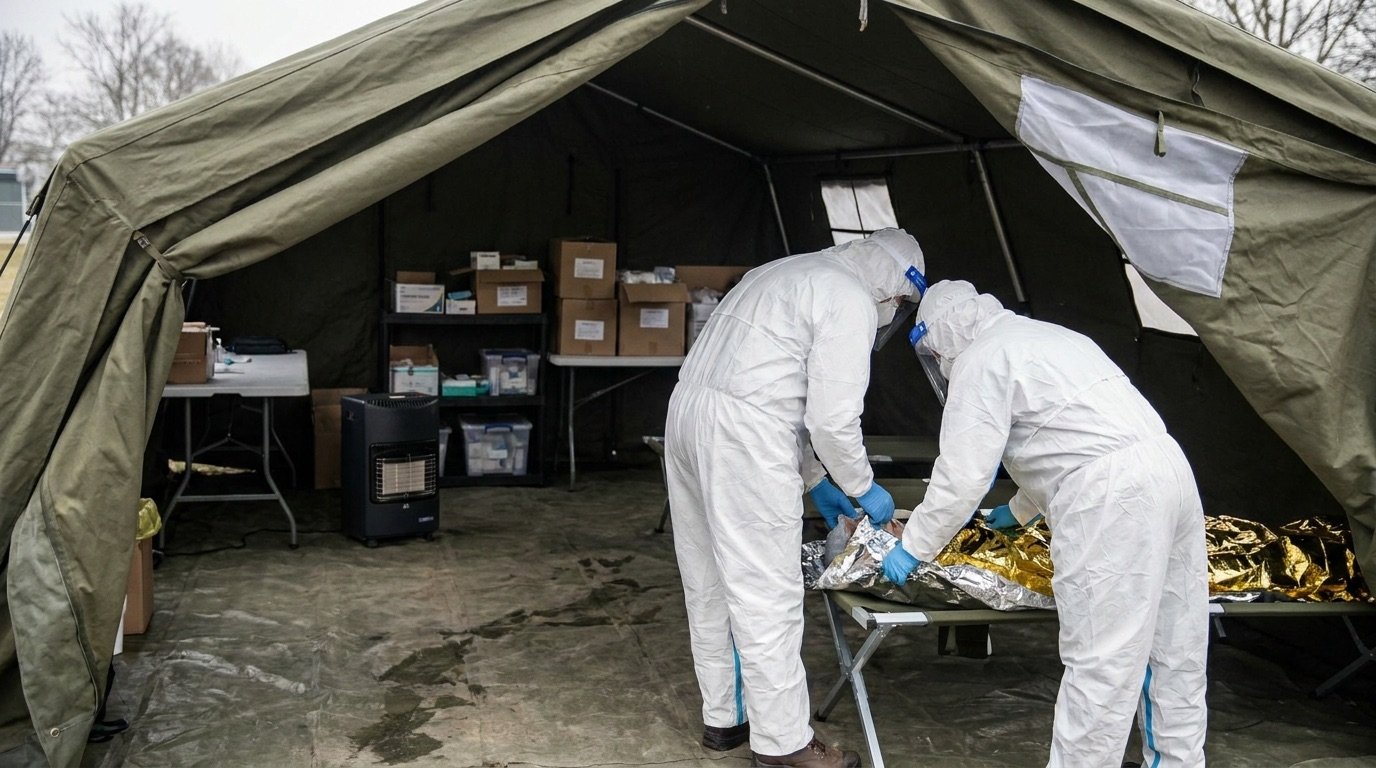
Congo Ebola outbreak passes 1,000 confirmed cases
Health officials in the Democratic Republic of the Congo say the eastern outbreak has reached 1,003 confirmed cases and 254 deaths, with insecurity and crowded camps complicating the response.