Ezra Jin's Release Puts Quiet Diplomacy and China's House Churches Back in Focus
The Zion Church founder has been released from prison in China and reunited with his family in the US, in a rare case that tests case-by-case diplomacy.
Marcus Reeve
Writer ·

The release of Ezra Jin is first a human story: a detained religious figure landing in the United States and reuniting with his family. But it is also a diplomatic story, because the circumstances place the case inside a wider pattern of quiet lobbying, political signalling and continuing pressure around unregistered religious groups in China.
What happened
The Guardian reported that Jin, the founder of Zion Church, arrived in the United States on Friday evening after being released from prison in China. His family described the reunion with relief and gratitude, while the report noted that China's foreign ministry did not immediately respond to a request for comment. High-profile release cases are often surrounded by partial information, and a careful account should avoid filling those gaps with assumptions.
What is clear is that the case had become internationally visible. The Guardian said Jin was among dozens of Zion Church members detained in an October crackdown on Christians, and that his case was raised during Donald Trump's visit to Beijing in May. His wife and children had repeatedly appealed to the US government and to Trump directly, and his daughter Grace Jin Drexel testified before Congress in November. That chronology shows how a private family's campaign can become part of formal and informal diplomacy.
Why it matters
Jin's release is significant partly because he is a Chinese citizen. The Guardian described it as a rare case of China releasing one of its own citizens, apparently in response to US lobbying. That does not make every detail of the negotiation public, but it means advocates and governments will read the release as a signal about what kinds of pressure can move individual cases even when broader policy does not change.
The wider context is China's system for managing religion. Christianity is legal, but worship is permitted through government-controlled churches, and many believers choose unregistered house churches to worship outside state structures. The Guardian reported that official figures in 2018 counted 44 million Christians in China, while estimates including unregistered believers were far higher. That gap reflects the tension between a religious life that is officially recognised and one that exists beyond formal supervision.
The bigger picture
Zion Church has long stood at the centre of that tension. Jin founded it in 2007, and its Beijing location was forced to close in 2018 before the group moved into online sermons. Online worship widens reach but can also increase visibility to authorities. Over the past year, the report said, China launched a major crackdown on house churches, with members of Early Rain church detained in January and a June raid in Sichuan reportedly leading to more than 30 people being taken for questioning.
That pattern prevents the release being read as a simple resolution. Cases involving nine members, including Jin, had been transferred to prosecutors on charges of illegal business operations and fraud before the release, while nine others were released on bail pending trial. One prominent figure is free while others remain in legal uncertainty, underlining the uneven nature of case-by-case diplomacy.
What happens next
Jin's arrival gives his family the immediate outcome they sought. It also puts the spotlight back on China's house churches and the people detained in recent crackdowns. For outside governments, the challenge is how to respond to a single positive development inside a larger restrictive environment. The strongest response is usually to acknowledge the human significance of the reunion while continuing to press for transparent legal treatment, due process and freedom of worship for others whose cases have not ended. The reunion is real; so is the unfinished story around it.
Sources: reporting by The Guardian.
The NE Times is an independent news and analysis publisher. Our articles combine factual reporting with clearly-written, impartial analysis. Content is for general information and does not constitute professional advice. Disclaimer.
You may also like to read
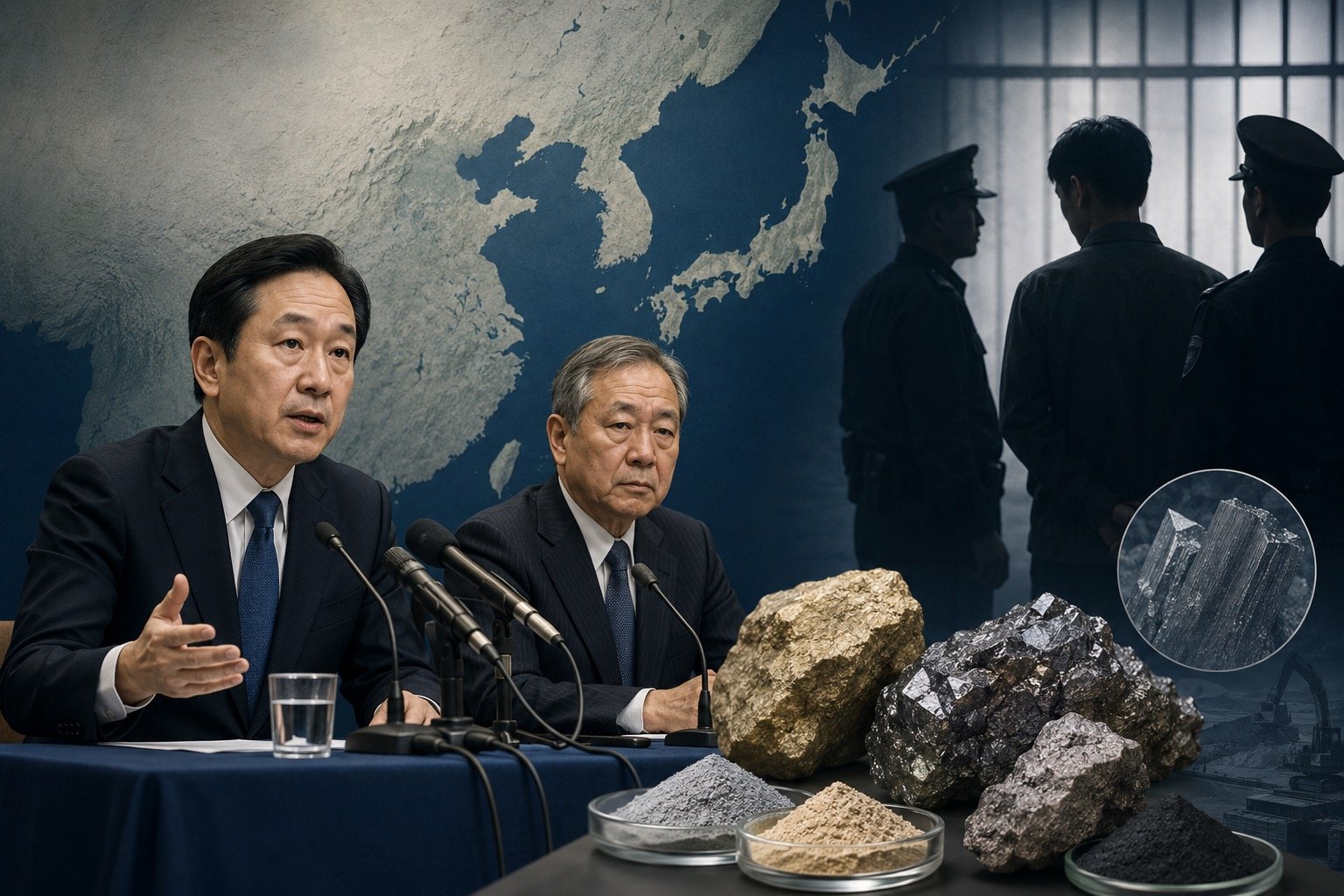
Japan says China has detained two citizens in rare-earths case
Tokyo says Chinese customs notified its consular offices of detentions over alleged smuggling, reportedly linked to critical minerals.
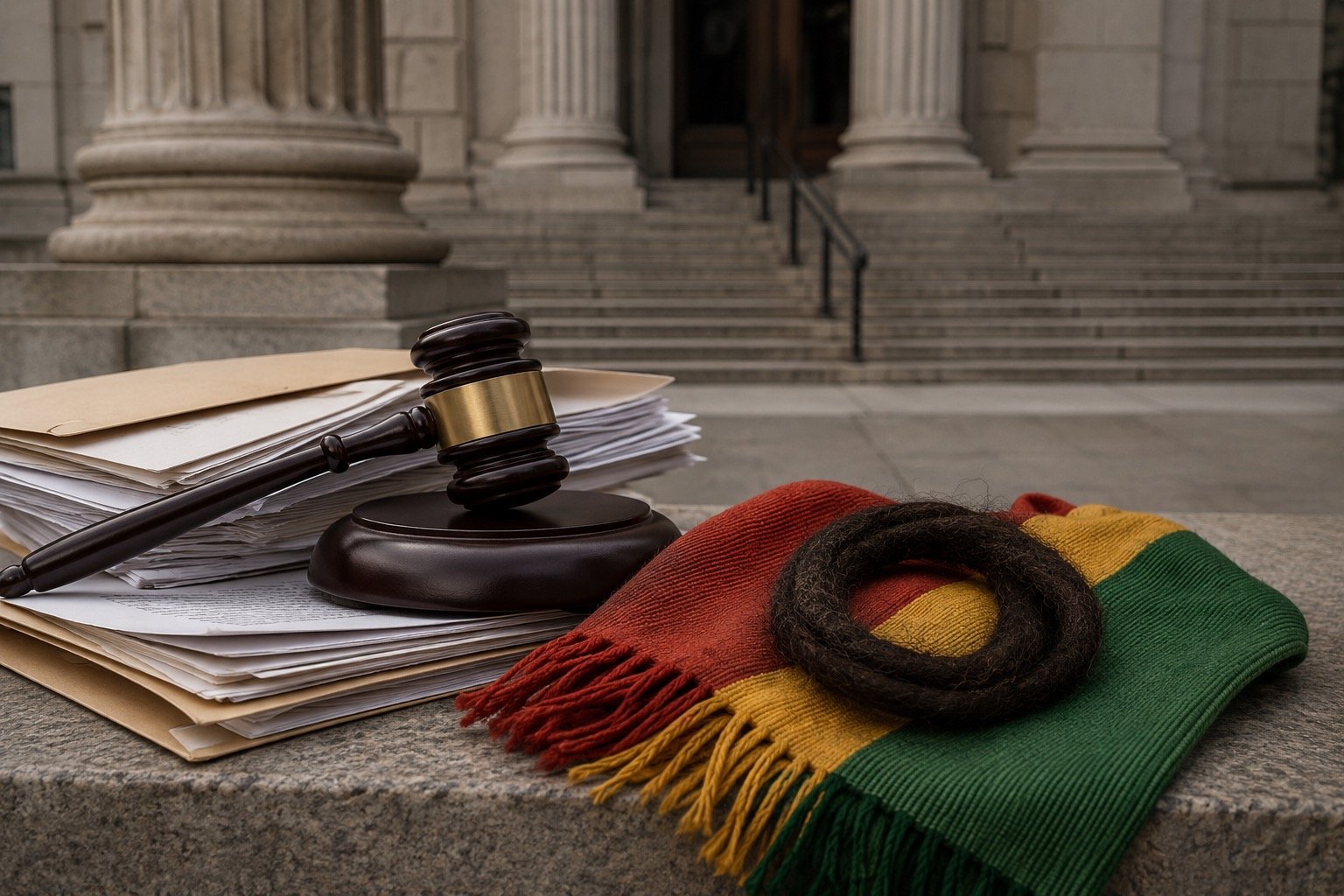
US Supreme Court limits damages over Rastafari inmate's cut dreadlocks
Justices condemned the shaving of Damon Landor's hair but ruled that federal religious-rights law did not allow him to claim money damages from prison officials.
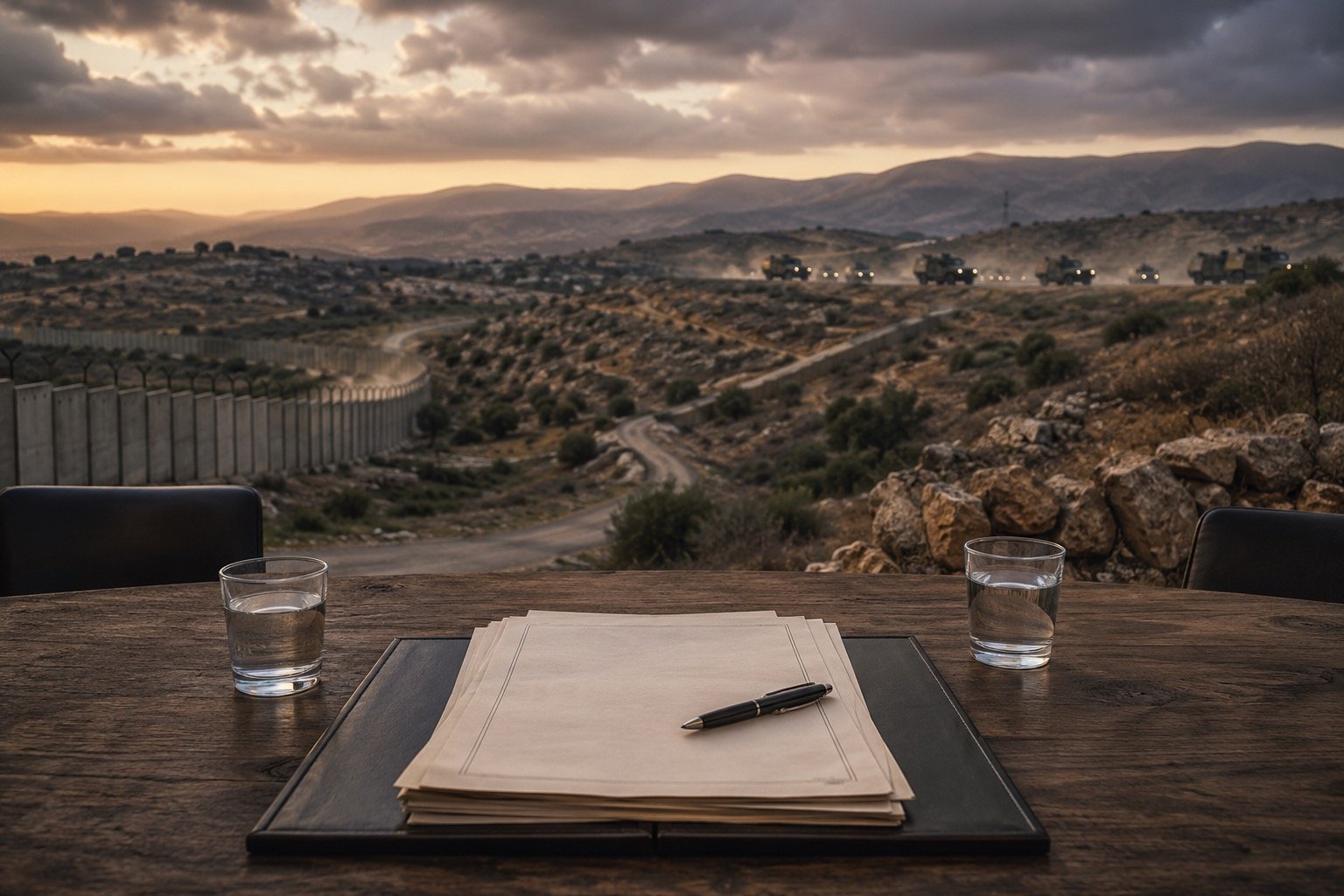
Israeli deployment in southern Lebanon clouds Iran diplomacy
Israel's insistence on keeping forces in parts of southern Lebanon has become a fresh obstacle to easing regional tensions involving Iran.

Kyiv warns its ceasefire patience is not endless as war passes grim milestone
Ukraine has signalled that its offer of a full and unconditional ceasefire may not stay on the table indefinitely, raising the pressure on diplomacy and on Moscow's response.