Fox to swallow Roku in $22bn deal as Murdochs bet big on connected TV
The Lachlan Murdoch-led broadcaster is buying the streaming hardware and ad platform it once sold its stake in, aiming to fuse Tubi with Roku's 100 million-plus households.
Sophie Bennett
Writer ·
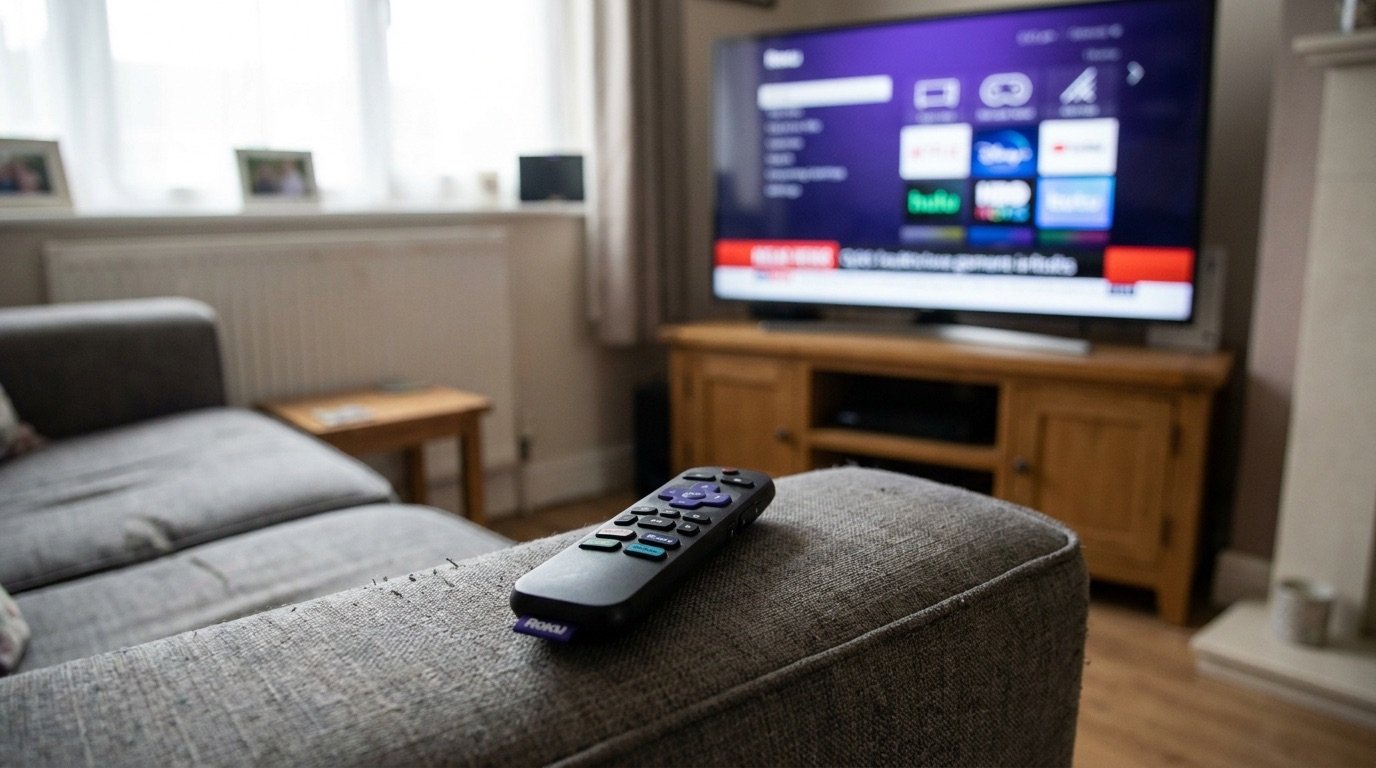
Fox Corporation has agreed to acquire Roku in a transaction valuing the streaming platform at roughly $22bn, a deal that thrusts the Murdoch-controlled company squarely into the connected-television business it had largely sat out. The agreement values Roku at $160 a share, paid through a blend of cash and Fox Class A stock, and represents one of the most consequential pieces of media dealmaking of the year.
Under the terms, Fox will pay $96 a share in cash, equating to about $14.2bn, with the balance delivered as 0.9693 Fox shares for each Roku share. The two companies expect the acquisition to close in the first half of 2027, subject to regulatory clearance. For Fox, a business long defined by its broadcast and cable footprint, the move marks a decisive pivot towards owning the infrastructure through which an increasing share of viewing now flows.
The deal lands at a moment when the economics of television are being rewritten. Linear audiences continue to erode, the cost of building a subscription service from scratch has proved punishing, and the most valuable real estate in the living room is no longer the channel but the home screen that greets viewers when they switch on. By buying Roku, Fox is making a bet that the company controlling the gateway, and the data that passes through it, will hold the advantage in the next phase of the industry.
From Tubi to a full streaming stack
The strategic logic is straightforward. Fox brings sports, news and entertainment programming alongside its free ad-supported service Tubi, while Roku contributes a distribution platform reaching more than 100 million global streaming households, plus the Roku Channel, first-party viewing data and a direct billing relationship with consumers. The combination gives the merged business a presence at almost every point of the value chain, from the commissioning of content to the screen on which it is consumed.
Tubi has been one of the quieter success stories in free, ad-supported streaming, building a substantial audience without the marketing spend that has drained rivals chasing subscriptions. Folding it into Roku's hardware base and home interface could give Fox a far more prominent shop window, surfacing Tubi content to tens of millions of households at the moment they reach for the remote. The reverse is also true: Roku gains a deep content partner with the rights and production muscle to keep viewers within its ecosystem.
Perhaps the most coveted asset is the data layer. Roku knows what its users watch, when and on which device, and pairs that with a direct payment relationship. For an advertising-led strategy, that intelligence is gold dust, allowing more precise targeting and measurement than the broadcast model ever permitted. It is this combination of content, distribution and data that Fox is paying a premium to secure.
There is a notable irony in the price. Fox offloaded its Roku holding at around $58 a share in 2020 to help fund its $440m purchase of Tubi. It is now buying the entire company back at nearly three times that level, a reminder of how sharply the value of audience-owning platforms has risen, and how the industry's centre of gravity has shifted in just a few years.
“The deal combines Fox's content engine with Roku's direct relationship with viewers, giving the merged business control over both programming and the screen it lands on.”
— Variety analysis
What Fox gains from the deal
The acquisition assembles a portfolio of complementary assets, each addressing a gap in Fox's existing model. Taken together, they amount to a vertically integrated streaming and advertising operation that few rivals can match.
- Reach into more than 100 million streaming households worldwide via Roku devices and smart-TV operating systems.
- A free ad-supported tentpole in Tubi that can be promoted directly on the Roku home screen.
- First-party viewing and behavioural data to power targeted, measurable advertising.
- A direct consumer billing relationship that reduces dependence on third-party platforms.
- Around $400m in anticipated cost synergies across the combined business.
Fox has flagged some $400m in anticipated cost synergies, the kind of figure investors expect to see attached to a deal of this scale. But the strategic prize is less about cutting duplicated overheads and more about owning the full path from content to viewer, a position that confers pricing power with advertisers and resilience against the decline of traditional distribution.
Background: the connected-TV land grab
The Fox-Roku deal is the latest move in a wider scramble for control of connected television, the catch-all term for internet-delivered viewing on the main living-room set. As audiences abandon scheduled broadcast and even paid subscriptions plateau, free ad-supported streaming television, known in the trade as FAST, has emerged as a fast-growing battleground. Roku, Amazon, Samsung and others have raced to control the operating systems and home interfaces that decide which services get seen first.
For legacy broadcasters, the danger has been disintermediation: ceding the customer relationship, and the advertising data that comes with it, to the technology companies that own the screen. Fox's response is to buy its way into that layer rather than rent space on it. The approach echoes a broader recognition across the industry that distribution, not just content, determines who captures the value.
What happens next
Completion hinges on regulatory clearance, and a deal that concentrates content, distribution and consumer data in one company will draw scrutiny over competition and market power. Assuming it proceeds as planned in the first half of 2027, attention will turn to integration: how cleanly Tubi can be woven into the Roku experience, whether the promised synergies materialise, and how rival platform owners respond. For UK observers, the move underscores a broader industry pivot away from pure subscription growth towards owning the advertising and data layer that sits between content and the viewer, a contest that will increasingly shape the choices available on British screens too.
Sources: reporting by Variety.
The NE Times is an independent news and analysis publisher. Our articles combine factual reporting with clearly-written, impartial analysis. Content is for general information and does not constitute professional advice. Disclaimer.
You may also like to read
Streaming calendar crowds as films, series, music and games fight for the same week
A packed release slate shows how entertainment platforms increasingly compete across categories, with viewers asked to treat one week as a full media menu.
Viewers name the best TV of 2026 so far, from Legends to The Pitt
A reader survey crowns crime drama, social satire and warm British comedy as the standout shows of the year, spanning streaming and public-service channels.
Netflix orders second series of Steven Knight's House of Guinness
The Peaky Blinders creator's Dublin-set period saga has been recommissioned after a strong debut run, with the writer signalling ambitions to take the dynasty all the way to the 1960s.

Channel 4 claims it is outgrowing every major streamer in 2026
The public-service broadcaster says its digital viewing minutes are rising faster than rivals from the BBC to Netflix, as it positions younger audiences at the heart of its strategy.