Gene Shalit, the Today show's pun-loving film critic, dies at 100
Known for his bushy moustache and wordplay, the broadcaster spent nearly four decades reviewing films and books on American breakfast television.
Sophie Bennett
Writer ·
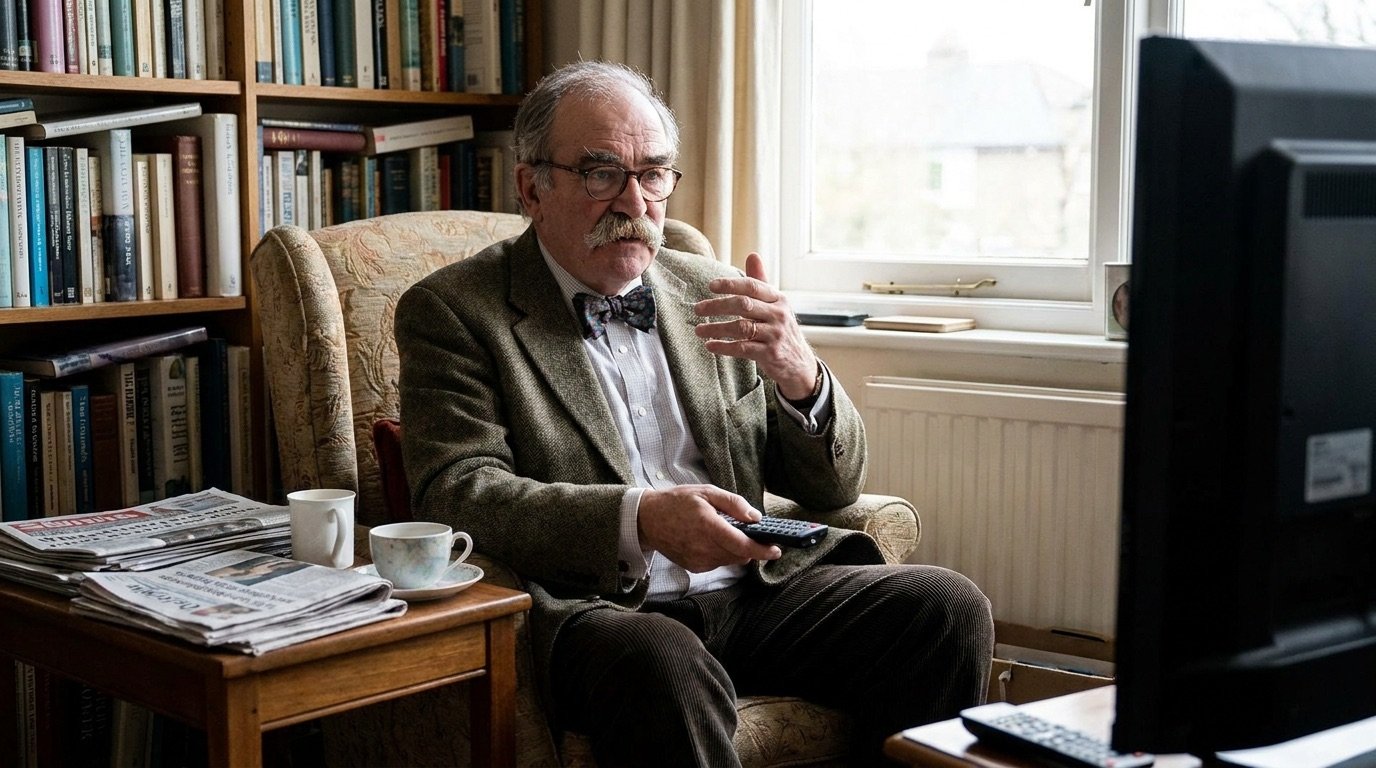
Gene Shalit, the genial film and book critic who became a fixture of American breakfast television, has died at the age of 100. His family said he passed away peacefully after 100 years of an amazing life.
Born in 1926, Shalit joined NBC's Today programme as a contributor in 1970 and became its full-time critic three years later, a role he held for a further 37 years before stepping down in 2010. Over that span he became one of the most recognisable cultural commentators on American television.
Few critics have reached so large an audience for so long. Appearing in millions of homes during the morning routine, Shalit helped shape the viewing and reading habits of a nation, his enthusiasm as much a part of the appeal as his judgements.
A one-of-a-kind presence
Viewers came to know him as much for his exuberant style as his opinions: a halo of curly hair, a handlebar moustache, bow ties and a relentless love of puns that made his reviews unmistakable. His appearance was so distinctive that it bordered on a trademark, instantly identifiable even to those who could not have named another television critic.
His wordplay was both celebrated and gently mocked, a high-wire act of groan-inducing puns that he delivered with evident delight. Yet beneath the showmanship lay a genuine and wide-ranging love of culture, and a determination to make criticism feel inviting rather than intimidating to a general audience.
The hallmarks of his long tenure included:
- A signature look of bushy moustache, frizzy hair and colourful bow ties
- A trademark fondness for puns and verbal play in his reviews
- Nearly four decades as the resident critic on NBC's Today
- Coverage that spanned both film and books, introducing audiences to new authors
- An accessible, audience-first style that demystified arts criticism
Shaping a national conversation
Over four decades he introduced millions of Americans to new films and authors, helping to shape the way mainstream audiences talked about cinema and literature. At a time before the internet fragmented cultural commentary, a single televised recommendation could send viewers to the cinema or the bookshop in large numbers.
Colleagues remembered him as warm and generous off camera, a man whose on-screen exuberance reflected a real and infectious curiosity. His longevity at a single programme was itself remarkable in an industry defined by turnover, and spoke to the affection audiences held for him.
“He passed peacefully after 100 years of an amazing life.”
— The Shalit family, in a statement
Criticism for a mass audience
Shalit's approach embodied a particular philosophy of criticism, one that prized communication over erudition. Where some critics wrote for fellow specialists, he addressed the casual viewer eating breakfast, conscious that his audience might never read a film journal but would happily take a tip from a trusted face on the morning news. That instinct made him a powerful conduit between the worlds of culture and the general public.
His coverage of books was as influential as his film reviews, helping to lift titles to wider attention and offering authors a rare platform on national breakfast television. In an era when such appearances could meaningfully shape a book's fortunes, his recommendations carried real weight in the publishing world.
Not every viewer warmed to his style, and his fondness for puns occasionally drew good-natured criticism. But even his detractors tended to acknowledge the genuine knowledge beneath the showmanship, and the sincerity of his enthusiasm for the films and books he championed.
Background
Before television, Shalit worked as a writer and publicist, honing the verbal dexterity that would later become his signature. His move into broadcast criticism came at a moment when morning television was expanding its cultural coverage, and he proved ideally suited to the format, combining expertise with a light, approachable touch.
After retiring from Today in 2010, he largely stepped out of the public eye, but his influence on the popular presentation of arts criticism endured, evident in the conversational, personality-driven reviewing that became common across television and, later, online.
What it means
Shalit's death at 100 closes the book on a broadcasting career that helped define an era of American morning television. He represented a model of criticism that prized accessibility and enthusiasm, and his passing has prompted reflection on how cultural commentary has changed in the decades since he first sat down in front of the cameras.
In an age when reviews are dispersed across countless websites, social platforms and streaming recommendations, the idea of a single, trusted critic addressing the whole nation each morning feels almost from another era. That, perhaps, is part of what made the tributes to Shalit so warm: he embodied a shared cultural moment that has largely passed, when audiences across the country turned to the same familiar face for guidance on what to watch and read.
Sources: reporting by NBC News.
The NE Times is an independent news and analysis publisher. Our articles combine factual reporting with clearly-written, impartial analysis. Content is for general information and does not constitute professional advice. Disclaimer.
You may also like to read

David Hockney, towering figure of British art, dies aged 88
The painter behind A Bigger Splash and a pioneer of digital art died peacefully at his home, weeks before his 89th birthday.

Buffy and Ted Lasso star Anthony Head dies at 72
The British actor, beloved as Rupert Giles, died of complications from pneumonia, prompting emotional tributes from his former co-stars.

Prince Harry sends surprise message during Trooping the Colour
As the royal family gathered at Buckingham Palace, the Duke of Sussex addressed crowds at the Invictus Games festival in Germany.

Emmy voting opens as Pluribus and The Pitt eye nominations
Television Academy members have begun casting nominating ballots ahead of the 78th Primetime Emmy Awards in September.