Hollywood's June jobs drop shows entertainment is still hunting for a new normal
US movie and music employment fell by 3,600 in June to 321,700, a reminder that the post-streaming-boom correction is hitting the workers behind the credits.
Rajan Mehta
Writer ·
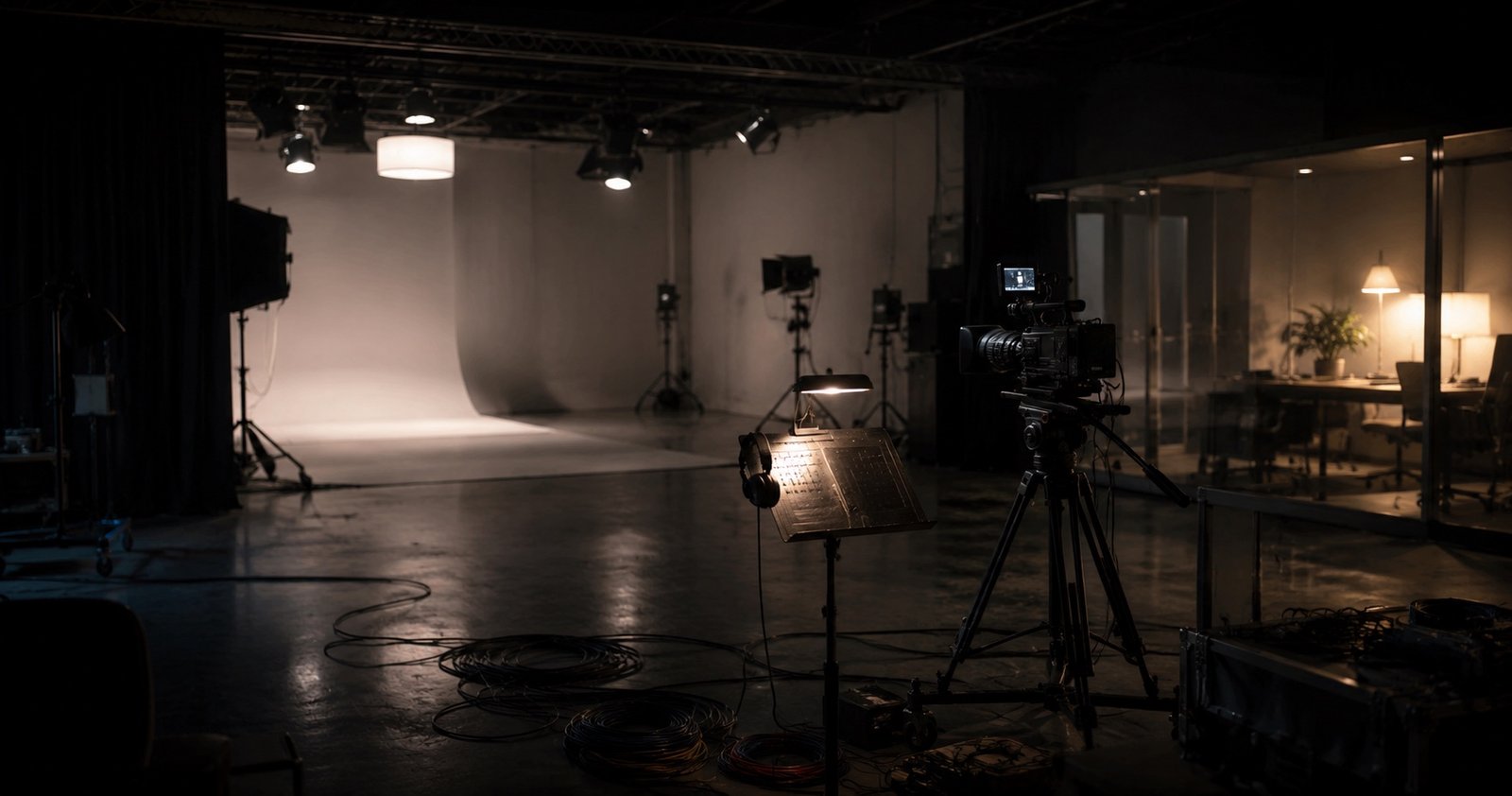
Entertainment measures itself in weekend grosses, streaming charts and awards campaigns, but a quieter metric tells a different story: how many people are actually being paid to make the work. US labour figures highlighted by Deadline show movie and music jobs fell by 3,600 in June to an estimated 321,700 — in a month when the wider American economy added a weaker-than-expected 57,000 jobs.
Why it matters
The specific number matters less than the pattern it extends. The sector has been trying to stabilise after overlapping shocks — the end of the peak-TV expansion, financial resets at streaming companies, production delays from labour disruption, higher interest rates and the migration of shoots towards cheaper jurisdictions. A monthly report cannot explain all of that, but it can show whether the promised recovery is reaching crews, craftspeople, post-production workers and musicians. June's snapshot says it is not, and the Wall Street Journal has separately documented a steep decline in film and TV jobs since late 2022, with behind-the-scenes workers most exposed.
The bigger picture
The gap between cultural visibility and labour fragility is one of the defining entertainment stories of the moment. Audiences see abundance — franchise films, prestige television, live events, constant releases — while workers experience scarcity: fewer shooting days, thinner slates and productions chasing incentives across borders. Both realities are true at once. The shift also shapes what gets made: fewer commissions mean each project carries more pressure to justify itself, risk-taking narrows, and mid-budget films and adult dramas struggle for space. The music side tells a parallel story, where streaming-era economics reward scale at the top while making steady middle-class creative work harder to sustain.
The counter-view
This is not an industry disappearing. Entertainment remains globally influential, technologically inventive and culturally central, and one soft month in a volatile labour category is not a collapse. Proposed remedies — production tax incentives, workforce-development programmes — may yet move the needle. But they should be judged by outcomes, not slogans: incentives can attract shoots to a region without guaranteeing stable careers, and studio promises of renewed investment will be measured in call sheets and paycheques, not press releases. The structural question is generational: whether the next cohort of workers can afford to stay in the field long enough to build expertise, or whether volatility quietly hollows out the crafts the industry depends on.
What happens next
The July employment report will show whether June was noise or trend. The more useful reading of the decline is neither panic nor complacency: Hollywood can keep producing spectacles and streaming hits while leaving too many professionals on unstable ground. Until hiring recovers in a sustained way, the industry's real comeback remains incomplete — because recovery is not a press release, it is a hiring pattern.
Sources: reporting by Deadline.
The NE Times is an independent news and analysis publisher. Our articles combine factual reporting with clearly-written, impartial analysis. Content is for general information and does not constitute professional advice. Disclaimer.
You may also like to read

The Quiet Studio That Keeps Winning: Inside Illumination's Minions Economics
With Minions & Monsters out and Mario the year's only billion-dollar film, Illumination's low-cost, globally legible formula is Hollywood's model to beat.

Domestic Tourism Gives Small Businesses a Summer Lifeline
Travellers choosing trips closer to home are handing small businesses a stronger summer, but the trend also exposes which communities gain and which are left behind.

Evri's £1.2m lawsuit against the BBC turns a delivery documentary into a reputation fight
The parcel firm says a Panorama documentary cost it contracts. The case will test where investigative journalism ends and compensable commercial harm begins.

US Student Loan Overhaul Makes July a Deadline, Not a Footnote
SAVE borrowers have 90 days to pick a new repayment plan or be moved automatically, as new US borrowing caps reshape graduate and Parent PLUS lending.