Domestic Tourism Gives Small Businesses a Summer Lifeline
Travellers choosing trips closer to home are handing small businesses a stronger summer, but the trend also exposes which communities gain and which are left behind.
Rajan Mehta
Writer ·
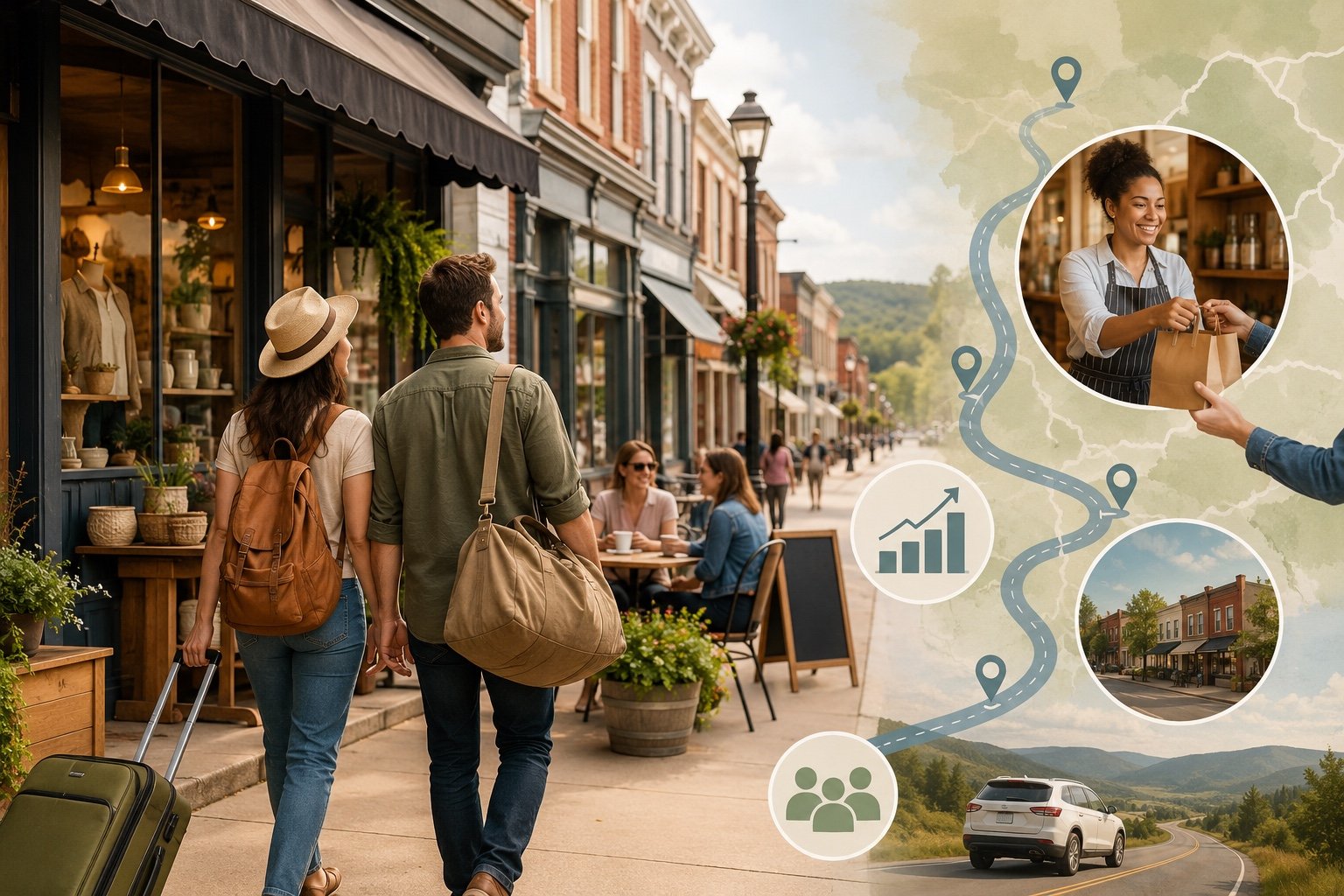
An uptick in travellers choosing trips closer to home is giving small businesses a stronger summer, but the trend also shows how local economies are adapting to changing travel costs, big-event demand and cautious household budgets.
What happened
The Associated Press reported that small businesses are seeing a good summer as Americans travel closer to home, with vacationers taking trips within driving distance. The story highlighted businesses benefiting from domestic tourism and local event traffic, including World Cup-related visitors in host cities. The pattern is simple on the surface: people still want to travel, but many are choosing shorter, more manageable trips.
Why it matters
Small businesses often feel travel shifts before national statistics fully explain them. A hotel, cafe, gift shop, restaurant or local maker does not need an abstract tourism boom. It needs foot traffic, weekend visitors, repeat customers and events that bring people into town. When households decide to drive rather than fly, or add a local stop to a sports trip, the effect can be immediate on main streets during the months when seasonal revenue can define the year.
Domestic tourism is not new, but it has taken on fresh significance. Rising travel costs, uncertainty around international trips, crowded airports and budget pressure all make nearby destinations more appealing. For some travellers a closer trip is about saving money; for others it is about flexibility. For small businesses, the reason matters less than the result: more people walking through the door.
The bigger picture
The World Cup context is especially important. Major sporting events create temporary economies around stadiums, fan zones and host cities, and the benefit is not limited to ticket holders. Visitors need food, souvenirs, transport, entertainment and places to gather. If local businesses can capture even a portion of that spending, a global event becomes a neighbourhood opportunity. The wider economy benefits too, because money spent at independent retailers often circulates locally through suppliers and workers in a way that spending at national chains does not.
The counter-view
There is a risk in overstating the ease of the moment. A busy summer does not erase higher costs for rent, wages, supplies, insurance and borrowing. A shop can be full and still struggle if wholesale prices rise faster than revenue, and a restaurant can benefit from travellers while worrying about staffing. The trend also raises questions about which communities benefit. Places near event venues or scenic routes may gain the most, while towns without marketing budgets or transport access can be left behind.
What happens next
The key challenge for owners is turning one busy season into repeat value: a visitor who buys a gift during a World Cup trip might later order online, and a family that discovers a town on a short break may return for longer. Domestic tourism will not replace every lost international dollar or protect every business from inflation, but matched with local planning and good service it can provide a real lifeline. This summer's lesson is that the distance of a trip is not the only measure of its economic value.
Sources: reporting by Associated Press.
The NE Times is an independent news and analysis publisher. Our articles combine factual reporting with clearly-written, impartial analysis. Content is for general information and does not constitute professional advice. Disclaimer.
You may also like to read

The Hossam Hassan Dallas incident shows how World Cup security is now part of the story
Egypt's coach says a hotel confrontation with Dallas police is resolved — but the episode shows the fragile line between security and football culture.
Rodrygo's World Cup observation: football's loudest culture meets its biggest market
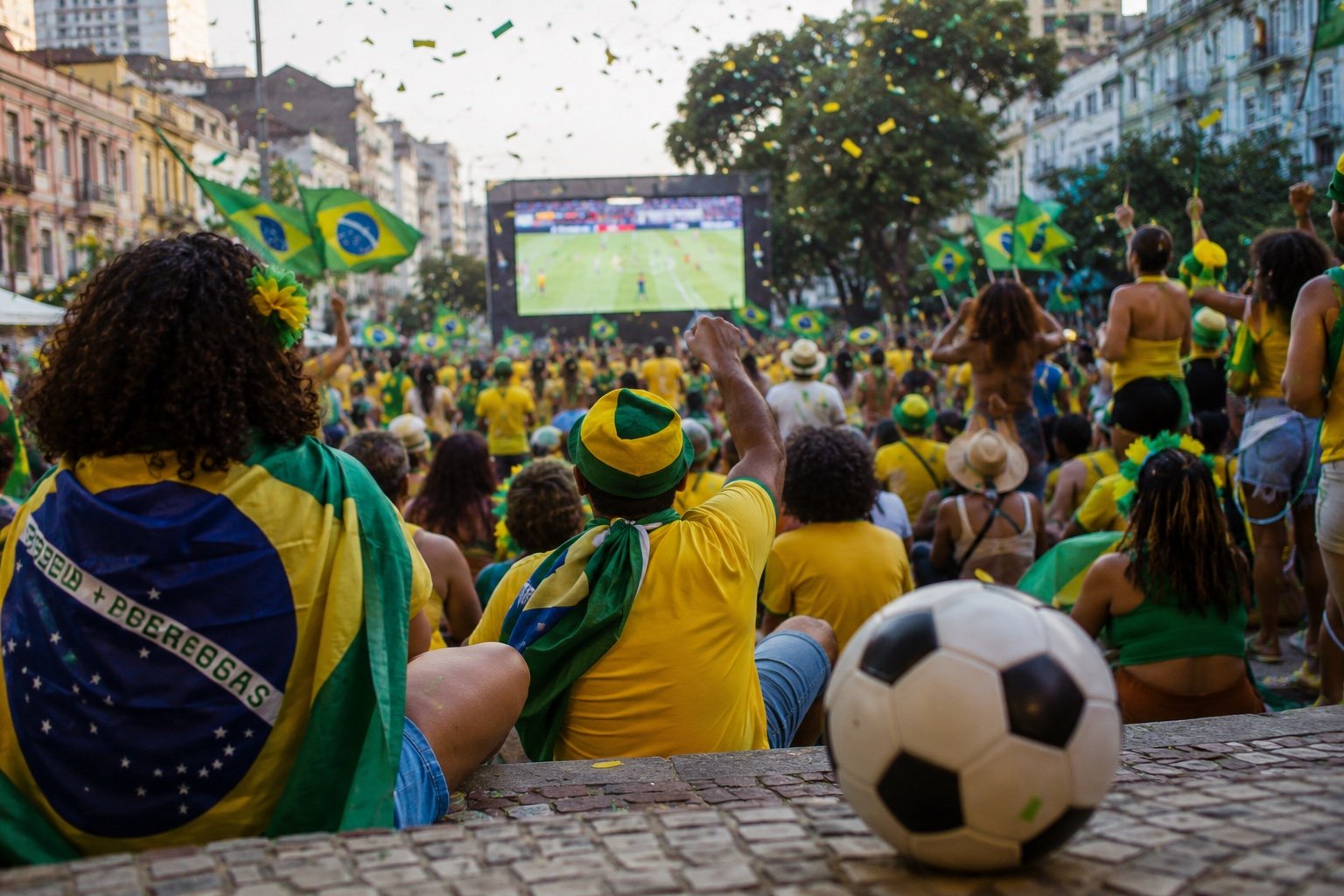
Rodrygo's Guardian column on the gulf between Brazilian and American football culture shows what the World Cup can and cannot export.

France grind, Morocco glide: two routes into the World Cup quarter-finals
Mbappe's winner edged Paraguay 1-0 while Morocco swept Canada aside 3-0 to make African football history — two contrasting models of knockout control.

Norway 2-1 Brazil: a World Cup upset built on composure, not chaos
Erling Haaland's late double sent five-time champions Brazil out in the last 16 — an upset that was less a miracle than a masterclass in patience.