Khamenei's Funeral Turns National Mourning Into a Test of Iran's Political Continuity
Iran's state funeral for Ayatollah Khamenei is more than ceremony: a managed display of continuity amid war, succession doubt and fragile diplomacy.
Marcus Reeve
Writer ·
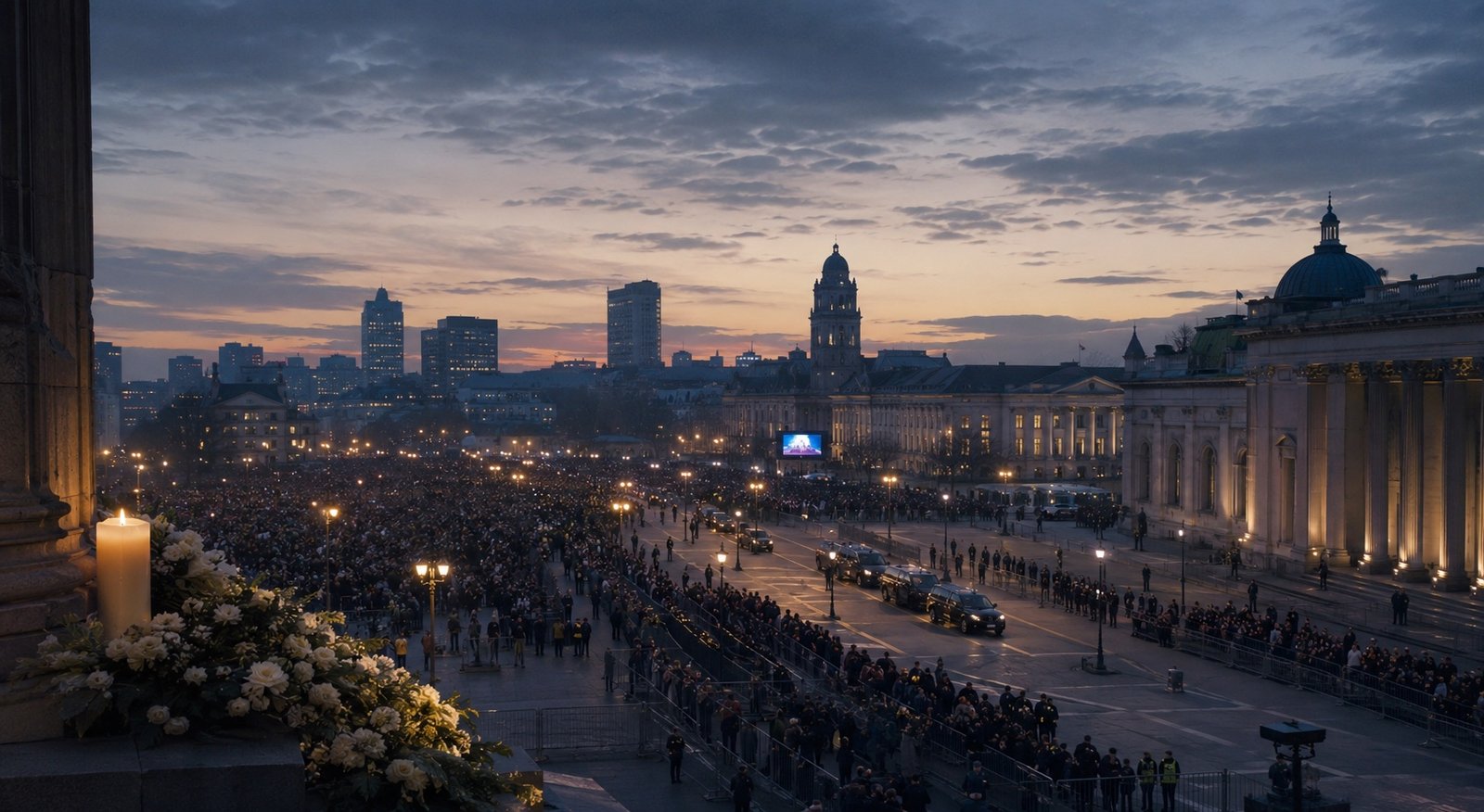
Funerals for powerful leaders are never only about death. They are moments when a state narrates its past, steadies its present and projects its future. Iran's dayslong ceremonies for Ayatollah Ali Khamenei carry all three burdens at once — under the added pressure of war, succession uncertainty and diplomacy that remains unfinished.
What happened
AP reported that hundreds of thousands of mourners began the funeral in Tehran on Saturday, with Khamenei's flag-draped coffin displayed at the Grand Mosalla and calls for revenge against Israel and the United States heard in the crowd. The Guardian reported large gatherings for a six-day funeral after the former supreme leader was killed at the start of the war with the US and Israel, with burial expected in Mashhad, his birthplace. Khamenei was Iran's second supreme leader after the 1979 revolution, and his decades in power made him central to how the state's competing institutions — elected bodies, security services, clerical networks — were balanced.
Why it matters
Public mourning on this scale is also a message. The images of crowds, ritual and security are designed to tell domestic audiences and foreign observers alike that the system continues and the death of a leader is being absorbed within an organised framework. In wartime, such displays matter more, because succession moments are precisely when external adversaries look for vulnerability. Yet the crowd's reported calls for revenge cut both ways: public anger can serve unity, but it narrows the space for de-escalation if leaders feel obliged to match rhetoric with action. AP has separately reported that US and Iranian negotiators have met indirectly through Qatari and Pakistani mediators and agreed to continue talks — a fragile channel that funeral-season emotion could complicate.
The bigger picture
The succession question sits at the centre. AP's coverage notes that Khamenei's son, Ayatollah Mojtaba Khamenei, is expected to succeed him, while describing uncertainty around his status after reports he was injured. Transitions in systems of this kind play to multiple audiences at once: domestic elites need predictability, citizens need signals that order will hold, and foreign governments read every cue for whether policy will harden or soften. Caution is warranted in both directions. Large crowds do not by themselves prove consensus, and chants do not reveal private opinion — official ceremonies are designed to produce a message, and may conceal as much as they reveal. The fairer reading is that the funeral displays organisational strength and simultaneously reveals how much pressure the system is under: states that feel secure rarely need displays this large. The human dimension deserves its place too — real mourners and religious communities are living through a historic moment, and grief can be sincere and politically managed at the same time.
What happens next
The period after the burial will reveal more than the procession. The questions to watch are concrete: whether the succession is clarified smoothly; whether retaliatory rhetoric is contained or escalated; whether the indirect diplomatic contacts survive the mourning period; and whether Iran's institutions present a unified front once the shared script of mourning expires. The funeral has turned grief into a national stage. What follows will show whether that stage produces stability, confrontation, or — most likely — a complicated mixture of both.
Sources: reporting by Associated Press.
The NE Times is an independent news and analysis publisher. Our articles combine factual reporting with clearly-written, impartial analysis. Content is for general information and does not constitute professional advice. Disclaimer.
You may also like to read
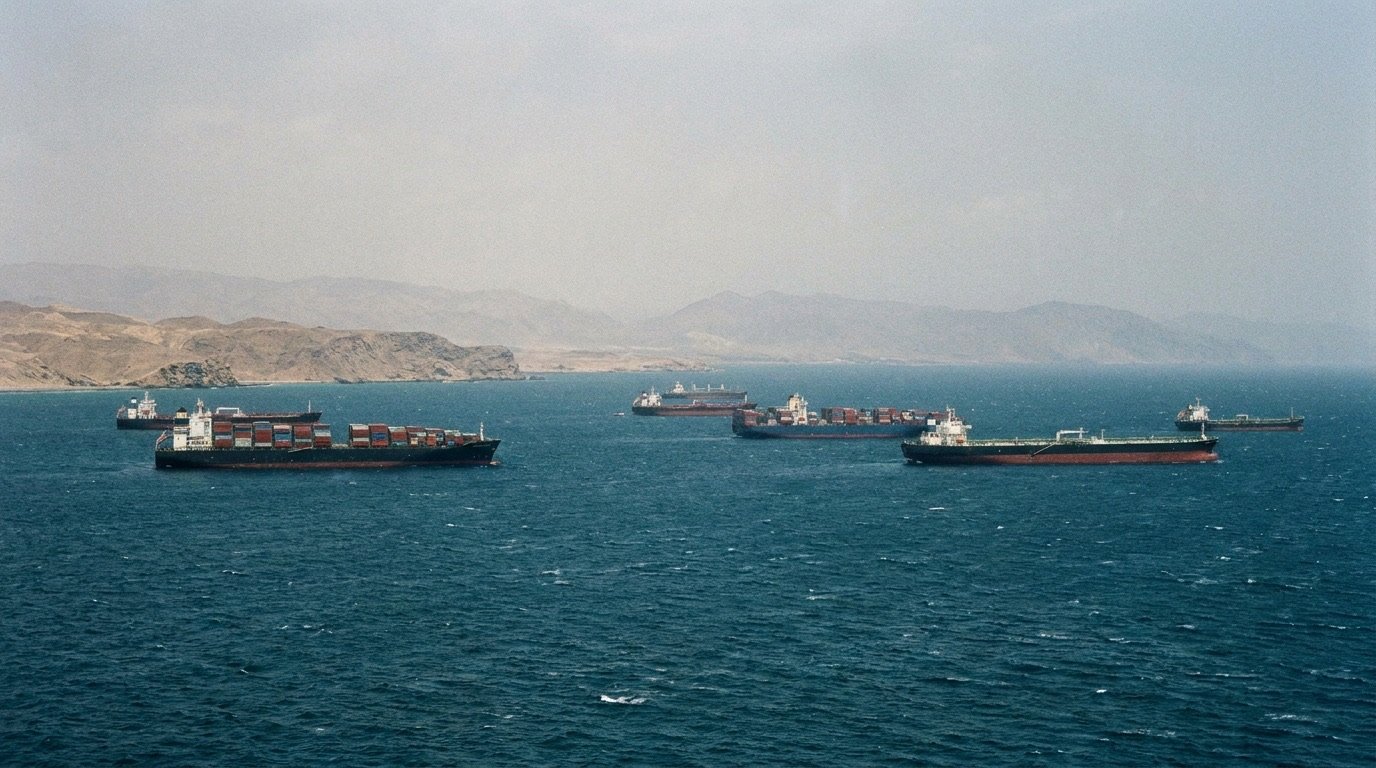
Iran and US agree memorandum to end war and reopen Strait of Hormuz
Mediators say a 14-point understanding, due to be signed in Switzerland, would end more than 100 days of fighting, lift the US naval blockade and extend a ceasefire that reaches into Lebanon.
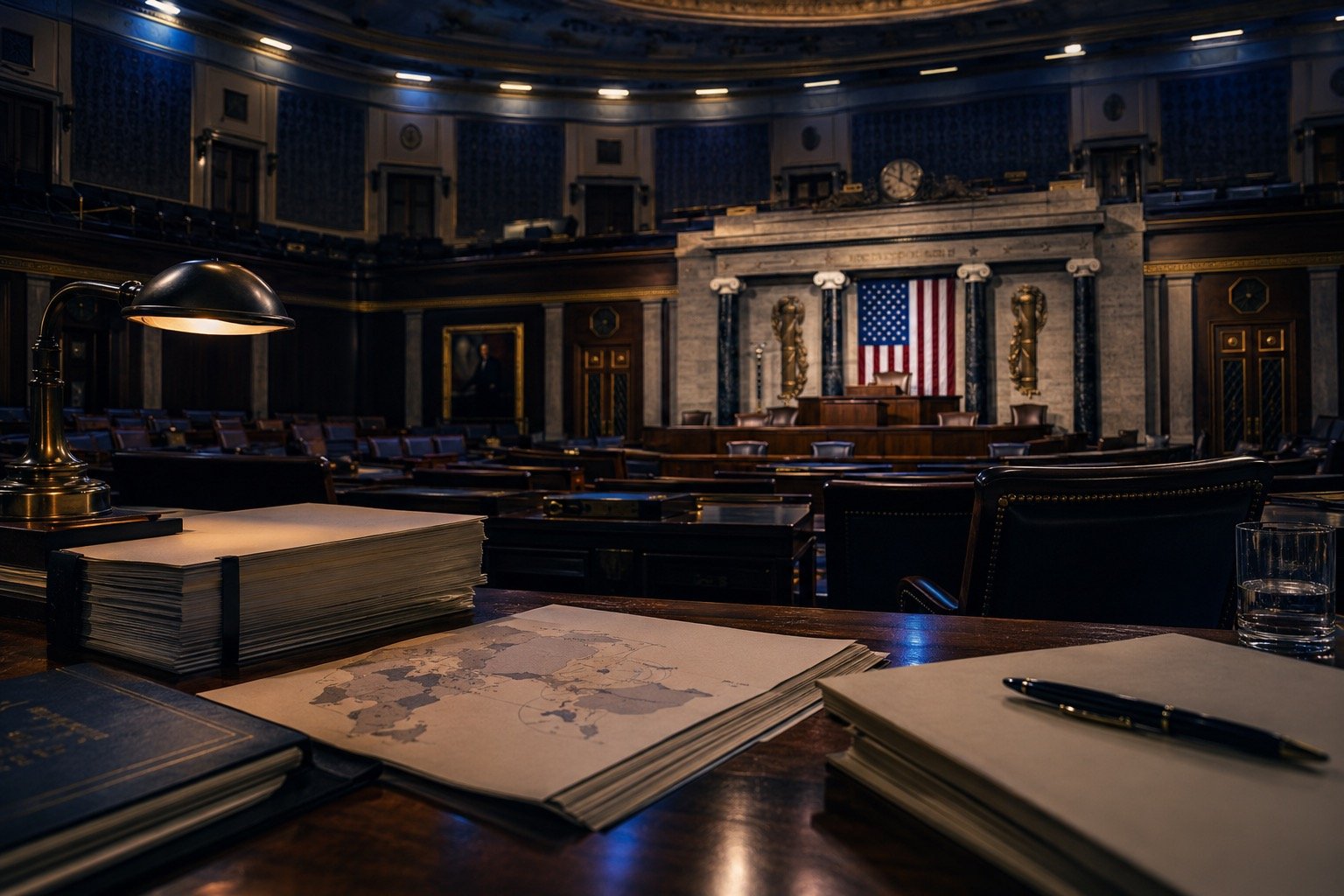
Senate Rebukes Trump Over Iran War Powers In Rare Bipartisan Vote
The US Senate passed a war powers resolution limiting military action against Iran by 50-48, with several Republicans crossing the aisle.
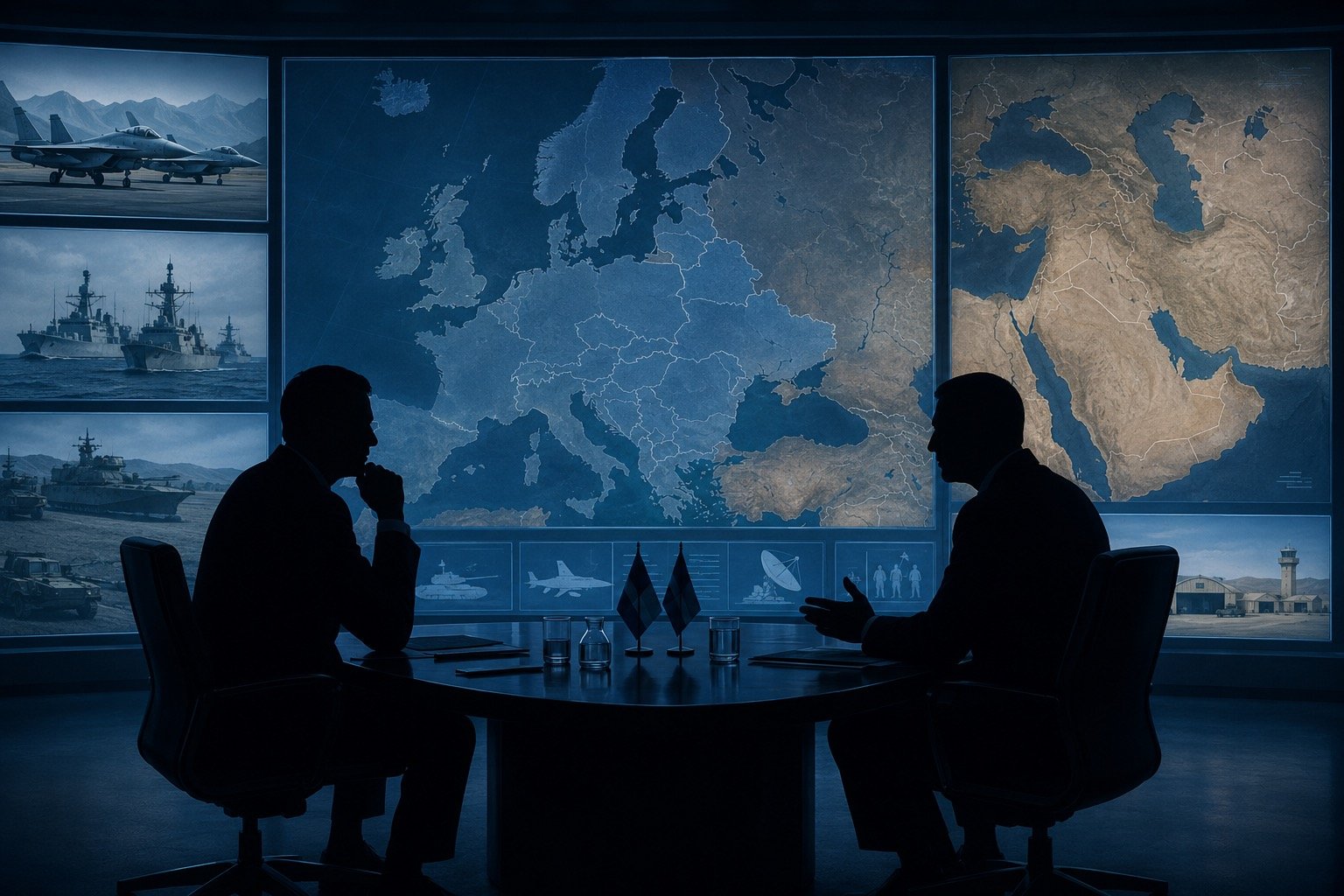
NATO diplomacy tested by Iran war fallout
Summit preparations and senior officials' remarks place defence spending, Middle East instability and transatlantic cohesion under the same spotlight.
Egypt v Iran World Cup tie in Seattle drawn into Pride row
A group-stage fixture in Seattle has become a flashpoint after both nations voiced disapproval of a Pride-themed celebration around the tournament.