Iran and US agree memorandum to end war and reopen Strait of Hormuz
Mediators say a 14-point understanding, due to be signed in Switzerland, would end more than 100 days of fighting, lift the US naval blockade and extend a ceasefire that reaches into Lebanon.
Marcus Reeve
Writer ·
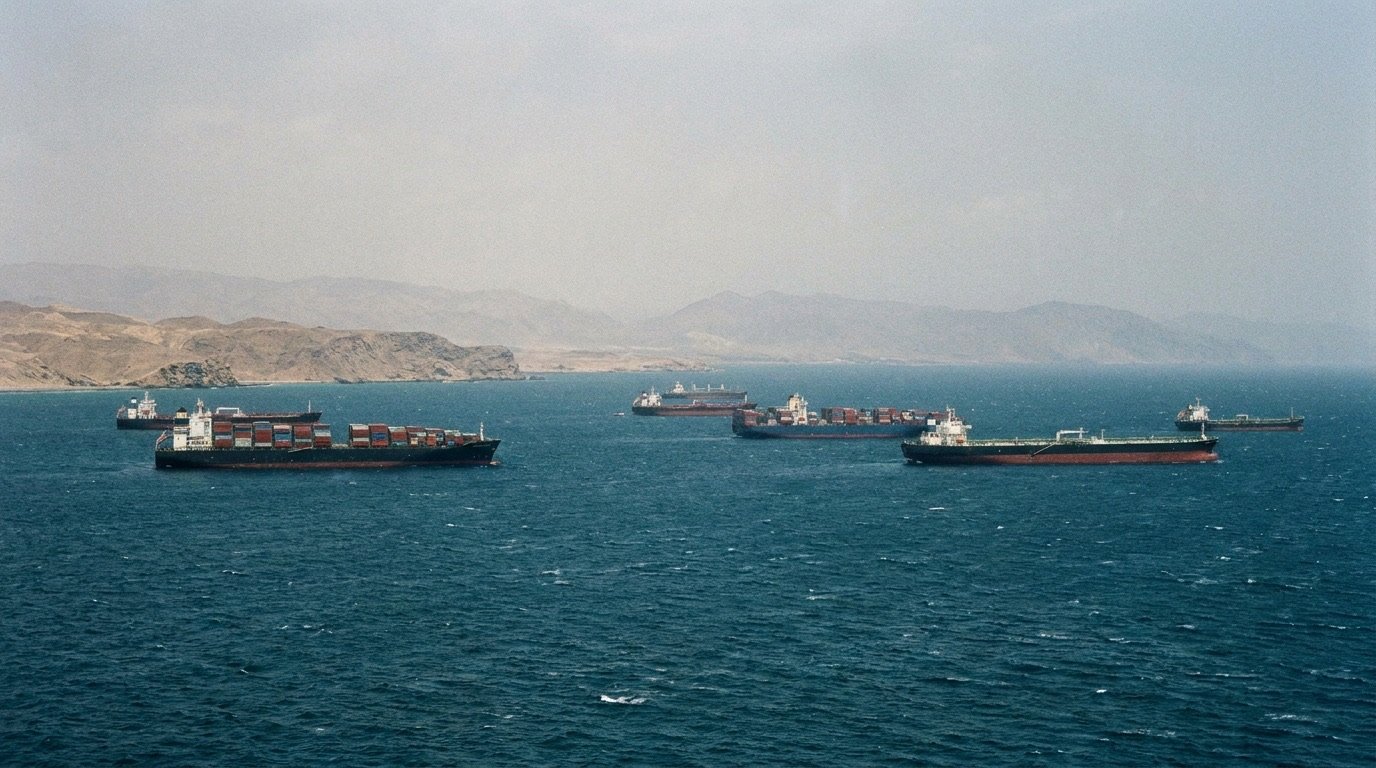
Iran and the United States have reached a tentative memorandum of understanding intended to bring a formal end to more than 100 days of war, mediators announced this week, with a signing ceremony expected in Switzerland and a 60-day window to settle the remaining details. The agreement, if it holds, would close one of the most dangerous chapters in the Middle East in a generation and reopen the Strait of Hormuz, the narrow waterway through which a large share of the world's seaborne oil passes.
The conflict, which began in late February when the United States and Israel launched strikes on Iran, has reshaped regional dynamics and rattled global energy markets. Iran's response included attacks on Gulf infrastructure and a naval stand-off that left commercial shipping through Hormuz effectively frozen for weeks. The new understanding is being presented by all sides as a route out of that impasse, though significant questions remain about enforcement and timing.
Crucially, the document had not been published in full as of this week. The White House has not released the reported 14-point text, and details circulated by Iranian state media have not been independently verified, leaving analysts to caution that the framework remains provisional.
What the understanding reportedly contains
According to accounts from both sides, the memorandum would halt military operations on all fronts and extend the existing ceasefire. It also provides for the immediate reopening of the Strait of Hormuz and the lifting of the US naval blockade of Iranian ports. Initial passage through the waterway would be limited to mine-clearance operations before full commercial traffic resumes.
On the economic side, the draft reportedly suspends restrictions on Iranian oil sales and envisages the release of frozen Iranian assets during the 60-day negotiating period. Full sanctions relief, however, is described as unresolved and subject to the further talks. On the nuclear file, the understanding leaves the most contentious questions to be settled later, with enrichment said to be restricted to non-military purposes.
The accord also extends to Lebanon, where fighting has killed thousands since the spring. Iran had insisted that any deal include a halt to Israeli operations there, and the framework reportedly does so, although it is unclear whether it requires Israel to withdraw from territory it occupies in the south.
“The war and military operations on all fronts, including Lebanon, will end immediately and permanently as of tonight.”
— Iran's Supreme National Security Council, in a statement
The Strait of Hormuz and the markets
The closure of Hormuz had been the single most consequential economic effect of the war, sending energy prices sharply higher and disrupting supply chains far beyond the Gulf. Roughly a fifth of the world's oil and a substantial volume of liquefied natural gas normally transit the strait, and even the threat of disruption tends to move markets.
A confirmed reopening would be a relief to importers across Asia and Europe, though traders are likely to remain cautious until mine-clearance is complete and tankers move freely. Iran is reported to have secured the right to charge maritime service fees on traffic through the waterway, a provision that could prove politically sensitive.
- Memorandum due to be signed in Switzerland, with 60 days to finalise outstanding issues
- Immediate reopening of the Strait of Hormuz, beginning with mine-clearance
- Lifting of the US naval blockade of Iranian ports
- Suspension of restrictions on Iranian oil sales and reported release of frozen assets
- Ceasefire provisions extending to Lebanon, with the question of Israeli withdrawal unresolved
Doubts over compliance
Even as the framework was welcomed, officials and analysts warned that the hardest part lies ahead. Israel's defence ministry has indicated that its forces will remain in what it calls security zones in southern Lebanon indefinitely, a stance that sits uneasily with expectations of a clean ceasefire and raises the prospect of renewed friction.
There is also the matter of trust. The text remains unpublished, verification mechanisms are unclear, and the 60-day negotiating window leaves ample room for disagreement over the sequencing of sanctions relief, asset releases and the nuclear provisions. Previous interim arrangements in the region have unravelled over precisely such details.
“An understanding on paper is not the same as peace on the ground; the next two months will tell us which this is.”
— A Gulf-based security analyst
Background
The 2026 war grew out of long-running tensions over Iran's nuclear programme and its regional posture. After the opening strikes in late February, an initial ceasefire in April briefly paused the fighting before further escalation drew in Lebanon and the Gulf. The naval confrontation around Hormuz turned a regional war into a global economic event, prompting intensive shuttle diplomacy by several outside mediators.
The choice of Switzerland for the signing reflects its traditional role as a neutral venue and, historically, as a protecting power for US interests in Iran in the absence of direct diplomatic relations between Washington and Tehran.
What happens next
Attention now turns to whether the signing proceeds as planned and whether the ceasefire holds across all fronts, particularly in Lebanon. The 60-day clock will be watched closely for progress on sanctions, frozen assets and the nuclear questions left open in the framework. For the wider world, the most immediate test is practical: whether tankers move safely through Hormuz again, and how quickly energy markets settle. Until the full text is published and the first ships pass, caution is likely to outweigh celebration.
Sources: reporting by Al Jazeera.
The NE Times is an independent news and analysis publisher. Our articles combine factual reporting with clearly-written, impartial analysis. Content is for general information and does not constitute professional advice. Disclaimer.
You may also like to read
Iran farmer claims deepen dispute over frozen assets in fragile US deal
A row over food, sanctions and unfrozen money has complicated America's tentative interim agreement with Tehran, with Washington and Iran clashing over how released assets should be spent.

Khamenei's Funeral Turns National Mourning Into a Test of Iran's Political Continuity
Iran's state funeral for Ayatollah Khamenei is more than ceremony: a managed display of continuity amid war, succession doubt and fragile diplomacy.
White House Asks Congress for Tens of Billions in Iran War Spending
A funding request reported at $87.6bn bundles money tied to the Iran conflict with military readiness and domestic priorities.

Ships return to the Strait of Hormuz, but its future remains far from settled
A temporary easing of the US-Iran crisis has tempted more vessels back through the vital chokepoint, yet unresolved questions over mines, tolls and legal rights continue to unsettle energy markets.