King's Speech 2026: What the Government's 37-Bill Agenda Means for Britain
The 2026 King's Speech set out a packed legislative programme of around 37 bills. Here is a clear guide to the priorities, the politics behind them and what to watch as they move through Parliament.
UK News & Politics Editor ·
Why it's trending
A King's Speech is the single clearest statement of what a government intends to do with its majority. With around 37 bills announced, the 2026 programme sets the terms of political argument for the year and touches health, housing, welfare, security and the economy.
A programme designed to signal direction
The State Opening of Parliament is one of the oldest set pieces in British political life, but the ceremony matters less than the document read from the throne. The King's Speech is written by the government of the day and lists the bills ministers intend to bring forward. In 2026 that list ran to roughly 37 measures, a deliberately full programme intended to show momentum rather than caution.
A large bill count is a political signal as much as a practical plan. It tells backbenchers, the civil service and the markets that ministers have a settled sense of priorities. It also creates risk, because every bill needs parliamentary time, and a crowded programme can leave flagship measures fighting for space in a finite number of sitting days.
Health, housing and the economy lead the list
Several themes dominate the 2026 agenda. Health reform is central, with legislation to underpin a long-term plan to shift care out of hospitals and into the community and to modernise the way patient records are held. Housing and planning feature heavily, reflecting a cross-party consensus that Britain does not build enough homes or infrastructure quickly enough.
The economy runs through almost everything. Bills on tax, energy, skills and regulation are framed around the argument that stronger growth is the precondition for better public services. Ministers know that voters ultimately judge a programme by whether living standards improve, not by how many bills reach the statute book.
Security and public trust
A second cluster of measures concerns security and accountability. Legislation to strengthen the response to hostile state activity, to reform aspects of policing and to increase transparency in public life all appear in the wider programme. These bills are partly a response to a decade of inquiries and scandals that have eroded public trust in institutions.
Accountability measures are politically double-edged. They are popular in principle, but they can create obligations that later constrain the government itself. Ministers who legislate for greater candour and disclosure are also binding their own successors, which is why such bills are often scrutinised closely in the Lords.
The devolution dimension
The 2026 programme lands in an unusual constitutional moment. Following the May elections, nationalist or non-Labour parties lead all three devolved administrations, which changes how UK-wide legislation is negotiated. Several bills touch devolved competences, and ministers will need the consent of the Scottish Parliament and the Senedd for parts of the programme.
That makes intergovernmental machinery more important than usual. Bodies designed to coordinate policy across the nations move from the margins to the centre of government, and disputes over legislative consent could become a recurring feature of the session rather than an occasional irritation.
Where the bottlenecks will be
Not every announced bill will pass, and experienced observers watch for the pinch points. Committee stages on complex health and planning legislation can absorb weeks. Contested measures often accumulate amendments in the Lords, forcing rounds of parliamentary ping-pong that eat into the calendar and expose the government to defeats on points of detail.
The government's real choices become visible when time runs short. The bills ministers protect at the expense of others reveal their genuine priorities, regardless of the rhetoric at the State Opening. That triage, usually late in the session, is where the programme is truly defined.
How a bill becomes law
Understanding the programme requires understanding the process. A bill introduced in the King's Speech must pass several stages in both the Commons and the Lords, including detailed line-by-line scrutiny in committee, before it can receive Royal Assent and become an Act. At each stage it can be amended, delayed or, occasionally, defeated, which is why a long list of announced bills never translates neatly into a matching list of new laws.
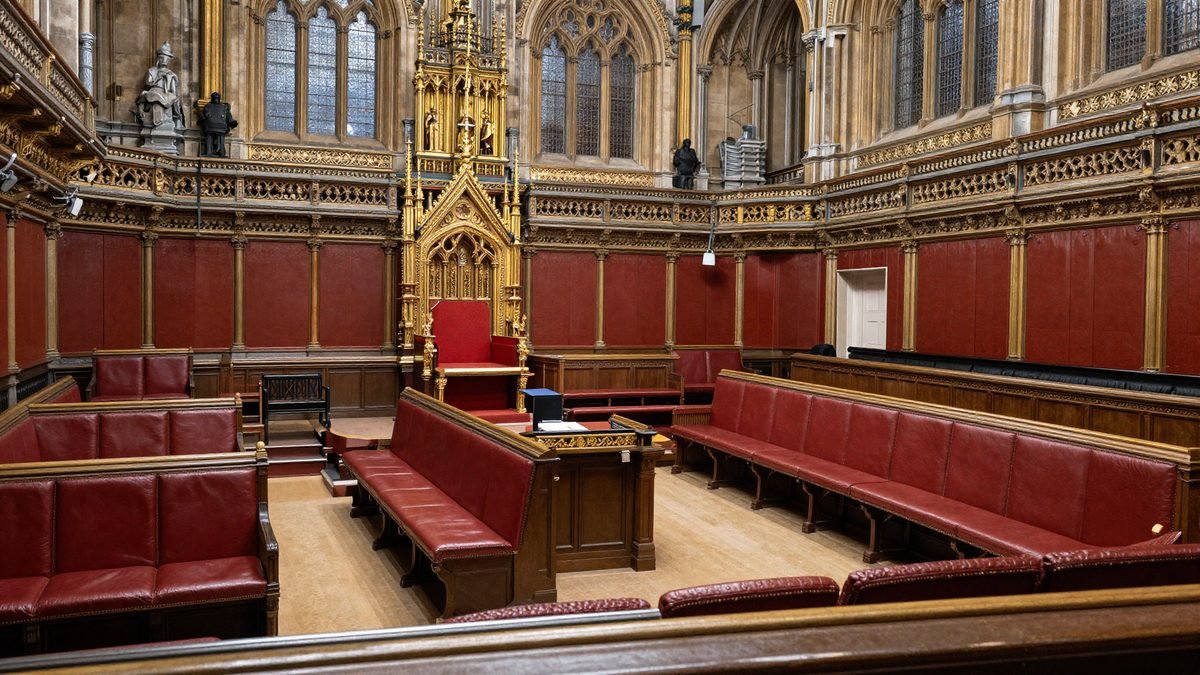
The House of Lords plays a particularly important role in revising legislation. As an unelected chamber, it does not usually block bills outright, but it can force the government to think again, sending amendments back to the Commons in a process known as ping-pong. Ambitious programmes often see their most contested measures reshaped in the Lords, and ministers must decide which changes to accept and which to overturn.
Reading the politics behind the list
A legislative programme is also a political map. The order in which bills are introduced, the language used to describe them and the departments given the biggest measures all reveal where power and priority sit within a government. Analysts read these signals closely, because they indicate which ministers are ascendant and which agendas have the Prime Minister's backing.
For voters, the more useful question is whether the programme addresses the issues they care about most, from the cost of living to public services. A government that fills its programme with technical or symbolic measures while neglecting everyday concerns risks looking busy but out of touch. The 2026 list will ultimately be judged not by its length but by whether it improves the things people notice in their own lives.
What to watch next
Readers tracking the programme should follow three things: which bills receive early second readings, which attract organised opposition from charities, businesses or unions, and which quietly slip in the timetable. Early momentum is a strong predictor of eventual success.
A King's Speech is a statement of intent, not a guarantee. The value of the 2026 list is that it frames the year's arguments and sets measurable tests. By the time the session ends, the gap between the 37 bills announced and the laws actually passed will be one of the clearest measures of the government's effectiveness.
Sources & verification
- UK Government - The King's Speech 2026 and background briefing notes
- House of Lords Library - King's Speech 2026 research briefings
- Hansard Society - Parliamentary business and legislative tracking
Filed under Politics · Written by Eleanor Whitfield