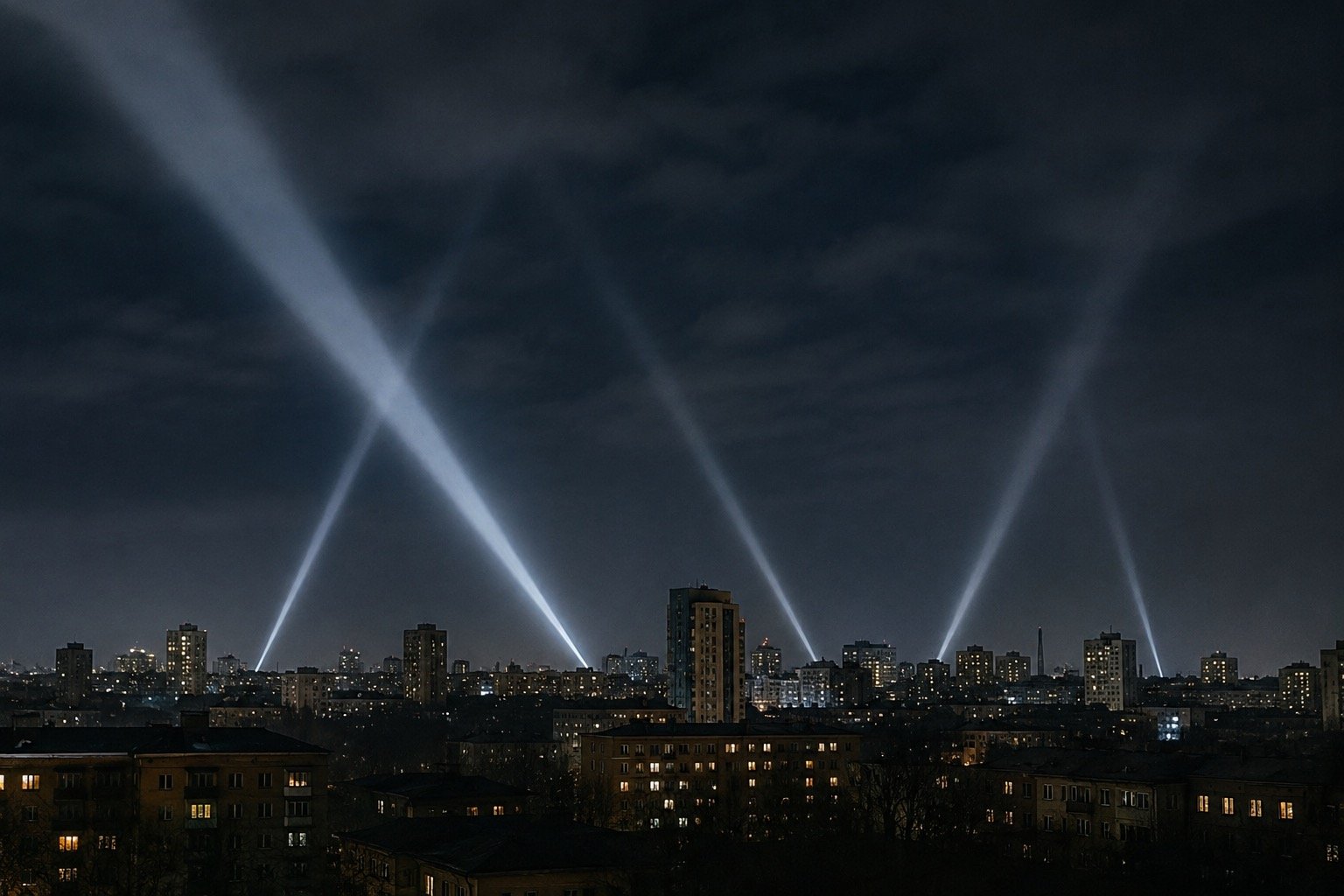
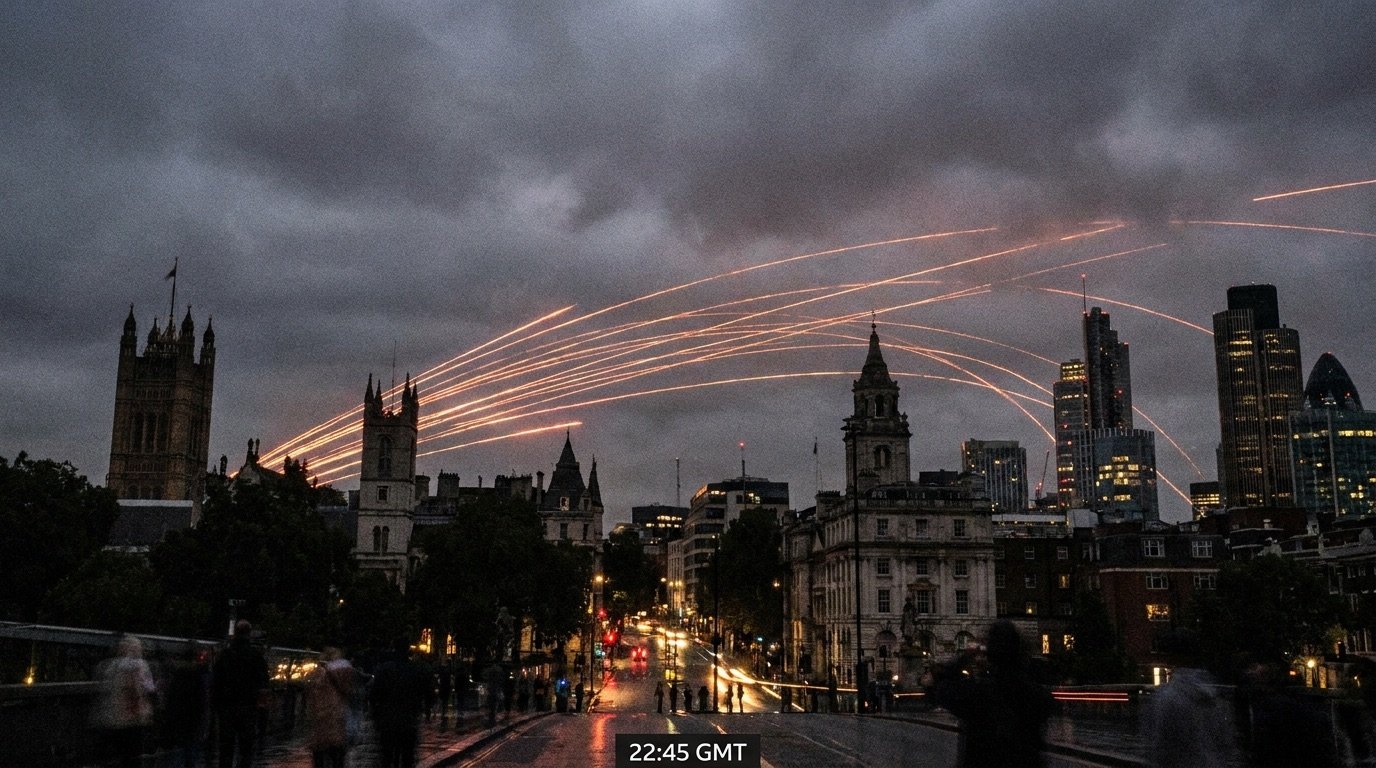
Officials say a two-wave drone attack on a Kryvyi Rih shopping centre killed at least 16 and wounded 130
Ukrainian officials say a Russian drone attack on a shopping centre in Kryvyi Rih on Friday afternoon killed at least 16 people and wounded 130, with a second strike arriving while rescue crews were already at the scene.
World Affairs Editor ·
Why it's trending
The Dnipropetrovsk Oblast Military Administration confirmed a death toll of at least 16 after a two-wave drone strike on a Kryvyi Rih shopping centre on 21 August 2026.
At least 16 people were killed and 130 wounded when Russian drones struck a shopping centre in Kryvyi Rih on Friday afternoon, according to the Dnipropetrovsk Oblast Military Administration, which confirmed the revised toll after midnight.
The attack came at around 4.30pm local time, when the complex was busy. Officials said the weapons used were jet-powered Shahed-type drones flying at very low altitude, a profile that gives air defences and warning sirens little time to work.
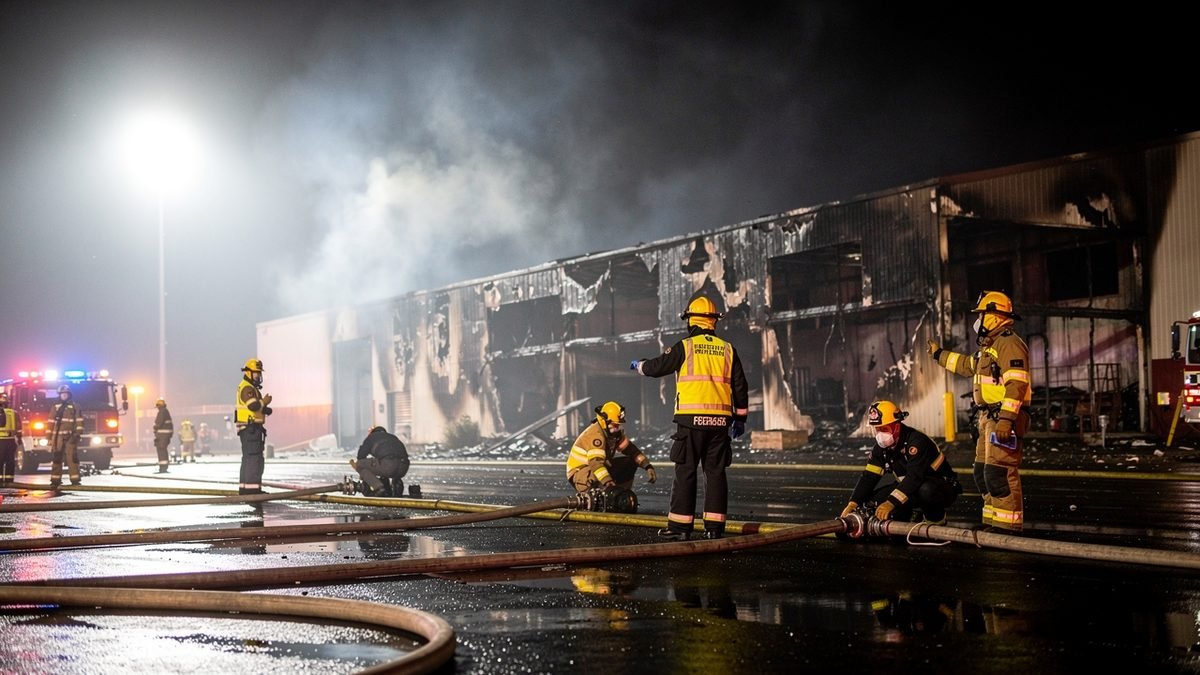
Two waves struck roughly half an hour apart. The second arrived after a fire had taken hold and while emergency services were already working at the site — the pattern commonly described as a double-tap strike. Among the wounded are 23 children, and 29 people were in a serious condition, five of them children. Officials also said people remained unaccounted for.
At a glance
- At least 16 killed, according to the Dnipropetrovsk Oblast Military Administration
- 130 people wounded, including 23 children; 29 in a serious condition, five of them children
- The strike hit at about 4.30pm local time on 21 August 2026
- Two waves of jet-powered Shahed-type drones struck roughly 30 minutes apart
- The second wave landed while rescue services were responding to the first
- Fire engulfed around a third of the shopping centre, the interior affairs minister said
What officials have said
President Volodymyr Zelensky described it as "an absolutely cynical and vile strike" carried out by Russian forces. Oleksandr Vilkul, who heads the city's defence council, confirmed the use of jet-powered Shahed drones and said a number of people had gone missing.
Ivan Vyhivskyi, the interior affairs minister, said fire engulfed roughly a third of the complex. Dmytro Lubinets, Ukraine's human rights commissioner, said the attack showed that "civilians are a deliberate target" for Russian forces. Casualty figures moved substantially through the evening as rescue work continued, from single figures in the first hours to the 16 confirmed overnight.
Why the second wave matters
A strike timed to land while first responders are working has a specific effect: it kills the people sent to save the wounded, and it forces every subsequent response to slow down and assume a second attack is coming. That delay costs lives independently of the explosives.
Deliberately targeting medical and rescue personnel is prohibited under international humanitarian law. Establishing intent from outside is difficult, but the timing pattern has been documented in Ukraine repeatedly enough that Ukrainian services now treat a follow-up strike as the working assumption rather than the exception.
The weapon
The jet-powered variant of the Shahed-type attack drone is a significant step up from the propeller-driven versions that became familiar in the first years of the full-scale invasion. It flies faster and, in this case, very low, which compresses the interval between detection and impact.
That has consequences for air defence economics as well as for warning times. Interceptors and the crews who operate them are finite; a faster, cheaper drone that can be launched in volume forces defenders to expend expensive munitions or accept that some will get through. In a city the size of Kryvyi Rih, the difference between the two is measured in civilian lives.
A city hit before
Kryvyi Rih, an industrial city in central Ukraine and President Zelensky's home town, has been struck repeatedly. In April 2025 an attack there killed 19 people, including nine children — one of the deadliest single strikes on civilians of that year.
The recurrence is part of what makes the latest attack land the way it has domestically. Cities far from the front line are not treated as safe, and the accumulation of these incidents has hardened Ukrainian public opinion against any settlement that leaves the capability to carry them out intact.
What happens next
The immediate work is search and recovery. With people still unaccounted for and 29 casualties in a serious condition, the confirmed toll is likely to change again, and early figures in incidents of this kind are almost always provisional.
Diplomatically, strikes on civilian sites have consistently strengthened the argument in European capitals for further sanctions and more air-defence supply, and this one arrives while those discussions are already live. Russia has not commented on the strike.
Sources & verification
- The Kyiv Independent — primary reporting and official updates
- Reporting reviewed on 22 August 2026; figures as published at that time
Filed under World · Written by Marcus Reeve