Makerfield goes to the polls in a by-election that could decide Starmer's future
Andy Burnham is seeking a return to the Commons on 18 June, and victory would clear his path to challenge the Prime Minister for the Labour leadership.
Eleanor Whitfield
Writer ·

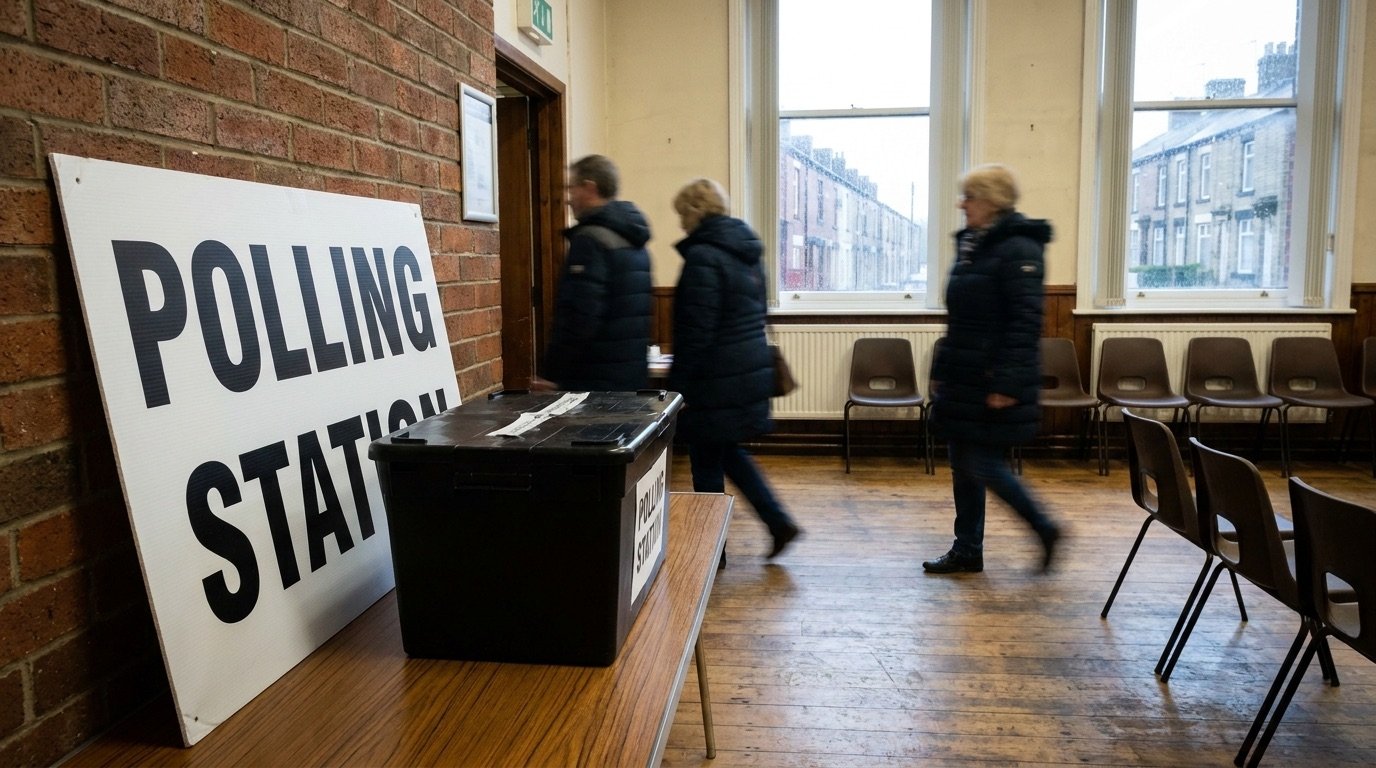
When voters in Makerfield go to the polls on Thursday, they will be doing more than choosing a new MP for a corner of Greater Manchester. The contest has become a proxy battle over the future of the Labour Party and, by extension, the future of the Prime Minister, as Andy Burnham seeks the Commons seat he needs to mount a formal challenge to Sir Keir Starmer.
The by-election was triggered when Josh Simons, who won Makerfield for Labour at the 2024 general election, resigned the seat last month and endorsed Burnham as his successor. It is, by some accounts, the first Westminster by-election since 1965 engineered specifically to hand a parliamentary berth to a senior figure not currently serving in the Commons.
Burnham, the Mayor of Greater Manchester since 2017 and a former cabinet minister, has confirmed he will challenge Starmer for the leadership if he is returned to Parliament. That has turned a normally low-key local poll into one of the most closely watched contests of the parliament.
Why the seat matters so much
Under Labour's rules, a leadership challenge can be mounted only by someone who sits in the Parliamentary Labour Party. Burnham gave up his Commons seat in Leigh to become metro mayor, so winning Makerfield is the procedural key that unlocks any bid for the top job.
Even with a seat, the path is not straightforward. Labour's rulebook requires a challenger to secure the backing of 20 per cent of the party's MPs, equivalent to roughly 81 names, before a contest can be triggered while the party is in government. Burnham's allies argue the numbers are within reach after a bruising spring in which dozens of MPs publicly called on Starmer to set out a timetable for his departure.
The Prime Minister's supporters counter that a vocal minority of MPs does not equal a majority, and that forcing a divisive contest while Labour trails in the polls would be an act of self-harm rather than renewal. They also note that no formal challenge can begin until Burnham is sworn in as an MP, which would not happen until after the result is declared and the necessary parliamentary procedures are completed.
There is also a longer game being played. Even if Burnham clears the nomination threshold, a full leadership contest would involve hustings and a ballot of party members and affiliated supporters, a process that could take weeks and would dominate the political agenda throughout. Some MPs who are sympathetic to change privately worry about the disruption such a contest would cause while the party is in government.
The candidates and the campaign
Burnham is standing as the Labour and Co-operative candidate. He faces a crowded field that reflects the fractured state of British politics, with Reform UK in particular hoping to capitalise on Labour's troubles in its traditional northern heartlands. The constituency, once part of Labour's industrial bedrock, is exactly the kind of seat where the party's strategists fear the rise of Reform most acutely.
- Andy Burnham (Labour and Co-operative) — former minister and ex-MP for Leigh, now Mayor of Greater Manchester
- Robert Kenyon (Reform UK) — a local plumber and recently elected Wigan councillor
- Michael Winstanley (Conservative) — a former Wigan councillor
- Jake Austin (Liberal Democrats) — a Stockport councillor
- Sarah Wakefield (Green Party) — a charity director and Manchester councillor
Local polling has pointed to a comfortable Labour lead, with one survey putting Burnham well clear of Reform UK in second place. But strategists in all parties caution that by-election turnout is volatile, and that a narrow Burnham win or a strong Reform showing would each carry very different consequences for the national story.
“This is one of the most consequential by-elections in recent British history. The result could set in train events that decide who leads the country.”
— A Westminster strategist
Background
The contest comes at the end of a torrid period for Starmer. After heavy losses in the May local elections, when Reform UK gained hundreds of council seats and Labour shed more than 400, internal pressure on the Prime Minister intensified. Scottish Labour leader Anas Sarwar was among the first senior figures to call for change earlier in the year, and a string of ministerial resignations followed through the spring.
Simons, who had given up a ministerial role earlier in the year, framed his decision to stand aside as an attempt to give the party a credible alternative. Critics say it amounts to an orchestrated move to install a leadership challenger; supporters insist it is a democratic route to a fresh start.
Burnham himself has long been talked about as a potential national leader. He stood for the Labour leadership twice before leaving the Commons in 2017 to become metro mayor, a role in which he built a distinct profile championing devolution and the interests of the north of England. His critics argue that running a city region is very different from running the country; his admirers say he has spent the intervening years demonstrating exactly the kind of retail political appeal the party now lacks.
What happens next
If Burnham wins, attention will switch immediately to the arithmetic inside the Parliamentary Labour Party and to whether he can assemble the nominations needed to force a contest. A defeat, or a result far closer than expected, would blunt his momentum and hand Starmer breathing space. Either way, the declaration in Makerfield in the early hours of Friday is likely to reverberate far beyond Greater Manchester, shaping the political weather for the rest of the summer and potentially determining who occupies Downing Street into the next phase of the parliament.
Sources: reporting by BBC News.
The NE Times is an independent news and analysis publisher. Our articles combine factual reporting with clearly-written, impartial analysis. Content is for general information and does not constitute professional advice. Disclaimer.
You may also like to read

Makerfield by-election: Andy Burnham bids for Commons seat in gamble that could topple Starmer
The Greater Manchester mayor is the clear favourite as voters go to the polls in a contest seen as the launchpad for a Labour leadership challenge.
The seat that changed everything: how Makerfield put Burnham in contention
Andy Burnham could not have run for the leadership without a Commons seat. The story of how he got one, after the NEC blocked an earlier attempt and an MP stood aside, is central to understanding this contest.

Makerfield by-election to decide Burnham's path to a Labour leadership bid
A by-election engineered to give Andy Burnham a seat in the Commons could prove decisive for both his ambitions and Starmer's survival.
Sir Keir Starmer resigns as Prime Minister, triggering Labour leadership contest
The Prime Minister announced his departure outside Downing Street on Monday morning, ending a turbulent premiership and setting Britain on course for its seventh leader in a decade.