Mexico hits Asian imports with steep tariffs as USMCA review looms
Sweeping duties of up to 50% on more than 1,400 products from China and other Asian nations aim to shield domestic industry — and to reassure Washington ahead of a high-stakes trade review.
Marcus Reeve
Writer ·

Mexico has imposed a sweeping package of new import tariffs — some as high as 50% — on more than 1,400 products from China and other Asian nations, in a move designed both to protect domestic industry and to address Washington's concerns about Chinese goods entering the United States through the back door. The measures land just as the three signatories of the USMCA trade pact prepare for a pivotal review.
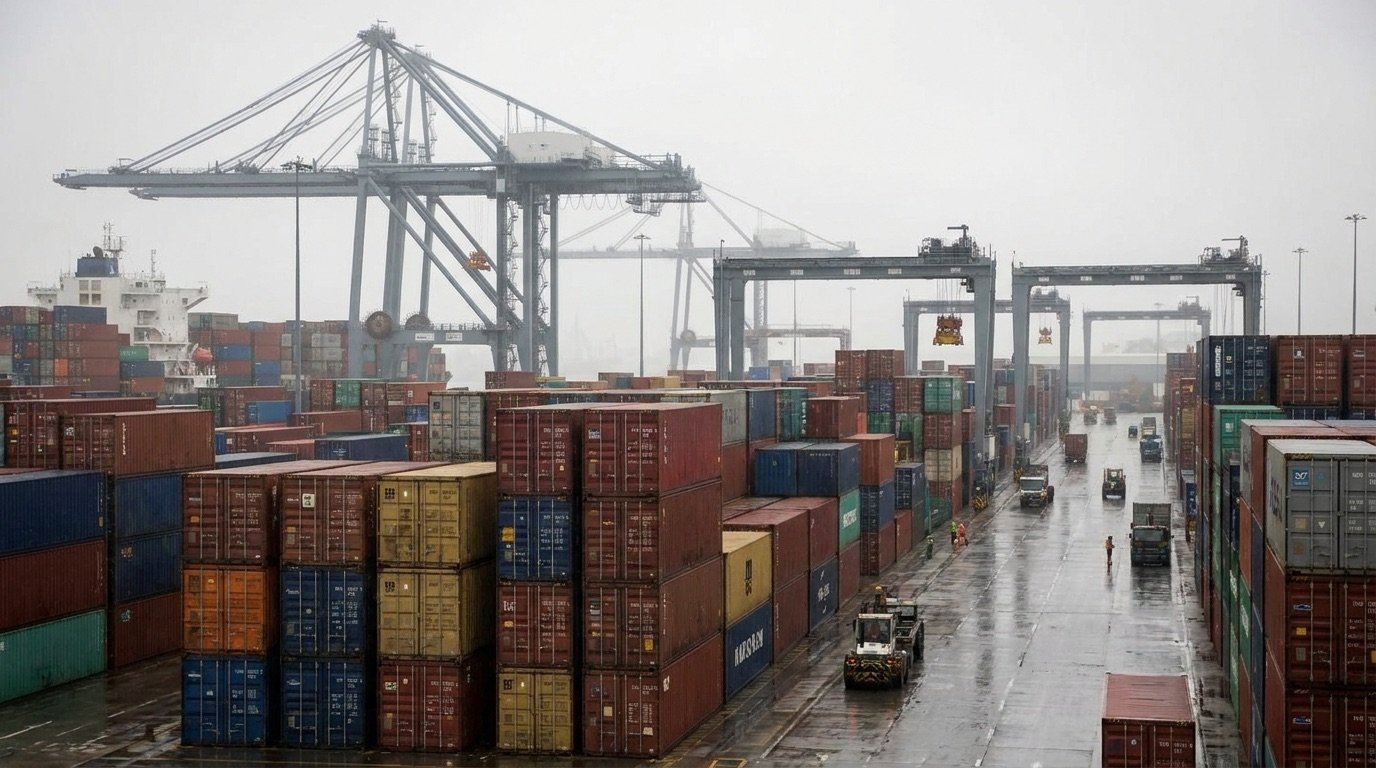
The tariffs, set out in a decree, cover some 1,463 tariff lines spanning automotive parts, textiles, steel, aluminium, plastics, electronics, furniture, footwear, glass and toys. Rates range from 10% to 50%, and crucially they apply only to imports from countries with which Mexico does not have a free-trade agreement — chiefly China, India, South Korea, Thailand and Türkiye. Goods from the United States and Canada under the USMCA are unaffected.
The timing is no accident. With the mandatory 2026 review of the United States-Mexico-Canada Agreement already under way, Mexico is signalling that it can be a reliable partner in efforts to curb China's growing footprint in North American supply chains.
Shielding domestic industry
Mexican officials have framed the tariffs primarily as a defence of local manufacturing and jobs. Domestic producers in sectors such as steel, textiles and footwear have complained for years about being undercut by a flood of cheap Asian imports, and the new duties are intended to give them breathing room in the face of that competition.
The package forms part of a broader industrial strategy aimed at strengthening Mexico's productive base and reducing its dependence on imported inputs. For an economy deeply integrated with the United States, the calculation is that a stronger domestic industry will also make Mexico a more attractive hub for nearshoring as companies seek to shorten supply chains.
“These measures are about protecting Mexican industry and Mexican jobs, while making clear we are a serious partner in building a more resilient North American market.”
— Mexican government statement
A message to Washington
Beyond domestic politics, the tariffs carry an unmistakable diplomatic signal. The United States has grown increasingly wary of Chinese products being routed through Mexico to circumvent American duties, and the new measures strategically address those concerns ahead of the USMCA review. By targeting precisely the imports that worry Washington, Mexico is positioning itself on the right side of the argument.
The review process is already in motion, with senior US and Mexican officials having met to formally launch bilateral discussions earlier in the year. Trade between the two countries is enormous, and the stakes of getting the review right — for jobs, investment and prices on both sides of the border — are correspondingly high.
- Tariffs on more than 1,400 products from China and other Asian nations
- Roughly 1,463 tariff lines covering autos, textiles, steel and more
- Rates range from 10% to 50% ad valorem
- Applies only to countries without a free-trade deal with Mexico
- US and Canadian goods under USMCA are exempt
Risks and reactions
The strategy is not without risk. Higher duties on imported components could raise costs for Mexican manufacturers that rely on Asian inputs, and there is the possibility of retaliation from affected trading partners. Some economists warn that protectionism, even when strategically deployed, can feed inflation and disrupt the very supply chains it is meant to strengthen.
Affected exporters have voiced concern about losing access to a significant market, and the measures have drawn scrutiny from countries that see themselves caught in the crossfire of a broader US-China contest playing out across third markets. How those partners respond could shape the next phase of the dispute.
Background
The USMCA replaced the earlier NAFTA agreement and governs one of the world's largest trading relationships. It includes a built-in review mechanism intended to keep the pact current, and the 2026 review is the first major test of that process. Against a backdrop of rising global trade tensions and American pressure on partners to limit Chinese imports, Mexico's tariff package reflects the delicate balancing act it must perform between its largest customer to the north and its appetite for cheaper goods from Asia.
What happens next
Attention now turns to how the USMCA review unfolds and whether Mexico's tariff gambit succeeds in easing US concerns without provoking damaging retaliation from Asian exporters. The outcome will help define North America's economic posture towards China for years to come, and will be watched closely by businesses weighing where to locate their supply chains. For Mexico, the challenge is to protect its industry and placate Washington without driving up costs for its own consumers.
Sources: reporting by FreightWaves.
The NE Times is an independent news and analysis publisher. Our articles combine factual reporting with clearly-written, impartial analysis. Content is for general information and does not constitute professional advice. Disclaimer.
You may also like to read
China Blocks Dual-Use Exports to US Defence Companies
Beijing has announced new restrictions on exports to American defence-linked firms in retaliation for expanded US sanctions on Chinese technology companies, escalating the two powers' security dispute.

Ezra Jin's Release Puts Quiet Diplomacy and China's House Churches Back in Focus
The Zion Church founder has been released from prison in China and reunited with his family in the US, in a rare case that tests case-by-case diplomacy.
Japan says China has detained two citizens in rare-earths case
Tokyo says Chinese customs notified its consular offices of detentions over alleged smuggling, reportedly linked to critical minerals.

Mexico World Cup crowd incident prompts safety questions
A vehicle hit a crowd in Cabo San Lucas after Mexico's win over Czechia, turning celebrations into a public-safety story.