MHRA approves Foundayo daily GLP-1 tablet for weight management and type 2 diabetes
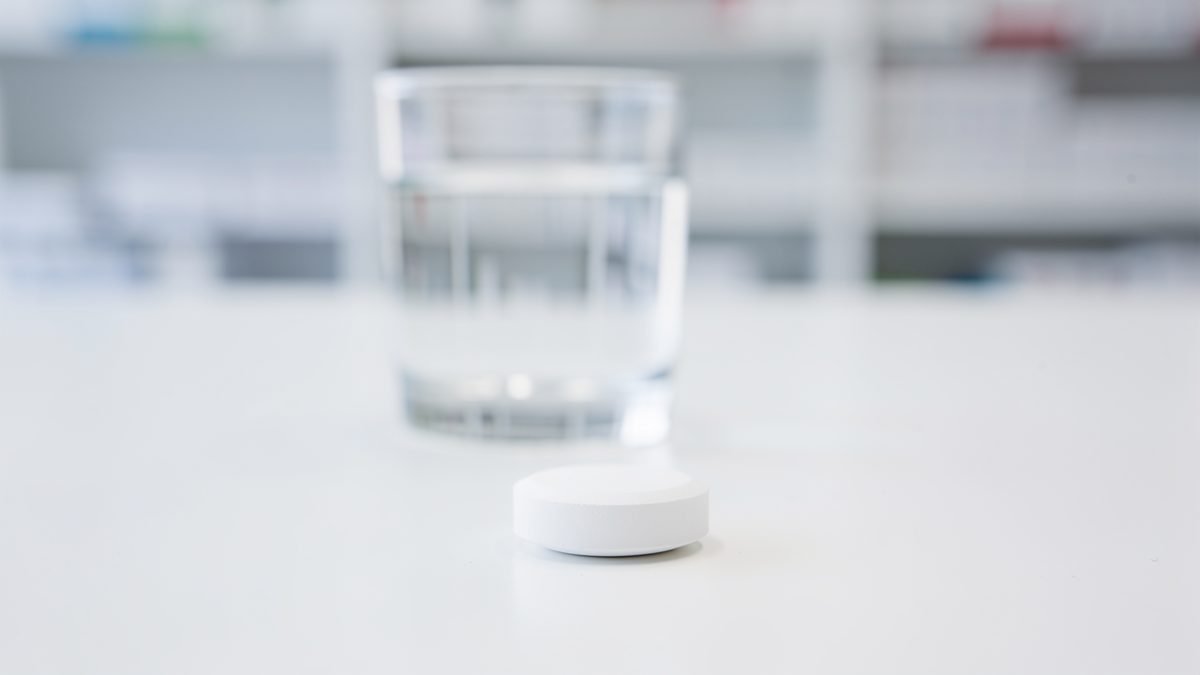
Britain has become the first country in Europe to authorise orforglipron, sold as Foundayo, a once-daily GLP-1 tablet that can be taken without coordinating the dose around meals, food or water.
Culture & Features Editor ·
Why it's trending
Britain is the first country in Europe to authorise a GLP-1 tablet that needs no timing around food or water, though NHS access still depends on NICE.
The Medicines and Healthcare products Regulatory Agency approved the Eli Lilly medicine on 10 August for weight management and for insufficiently controlled type 2 diabetes. For weight loss, eligibility starts at a BMI of 30, or at 27 with at least one weight-related condition, alongside a reduced-calorie diet and increased physical activity. The authorisation expands the GLP-1 market beyond injections, but it does not mean the drug is immediately available through the NHS.
At a glance
- MHRA: Orforglipron (Foundayo) was authorised on 10 August 2026 for weight management and type 2 diabetes, making the UK the first country in Europe to authorise the medicine.
- MHRA: For weight management it is authorised for adults with BMI 30 or above, or BMI 27 to below 30 with at least one weight-related condition, alongside diet and physical activity.
- The Pharmaceutical Journal: The once-daily tablet can be taken at any time of day without food or water timing restrictions.
- The Pharmaceutical Journal: In a phase III obesity study, the 36mg dose produced average weight loss of 11.2% over 72 weeks, compared with 2.1% with placebo.
- MHRA/The Pharmaceutical Journal: The medicine is prescription-only and is not currently available on the NHS; NICE guidance is in development.
A tablet changes the practical experience of treatment
The most obvious difference is administration. Injectable GLP-1 medicines require patients to be comfortable with pens, storage and a dosing routine. Orforglipron is swallowed once daily and, according to The Pharmaceutical Journal, has no food or water timing restrictions. That convenience could matter for adherence, especially for people who dislike injections. It also distinguishes orforglipron from oral semaglutide, whose absorption requirements make timing around food and drink more prescriptive.
The approval covers two related uses
The MHRA authorised Foundayo both for weight management and for improving blood-sugar control in adults with insufficiently controlled type 2 diabetes. The obesity indication follows familiar BMI thresholds used for several weight-management medicines: BMI 30 or above, or BMI from 27 with a related health condition. Those thresholds describe the marketing authorisation, not automatic entitlement to an NHS prescription. Clinical suitability still depends on an individual assessment and contraindications.
The trial result is substantial but not universal
The Pharmaceutical Journal reported phase III data showing average weight loss of 7.5% at 6mg, 8.4% at 12mg and 11.2% at 36mg over 72 weeks, compared with 2.1% on placebo. Average results hide a range of individual responses, and the trial combined medicine with diet and physical-activity support. The figure is therefore useful for understanding efficacy at population level, not for predicting exactly how much weight any one person will lose.
Safety monitoring remains central to GLP-1 use
The MHRA said it will keep the safety and effectiveness of orforglipron under close review, as it does with other GLP-1 receptor agonists. Prescription-only status matters because these medicines can produce gastrointestinal side effects and are not suitable for everyone. The rapid growth of private weight-management services has also increased regulatory attention on advertising and prescribing standards. Approval should not be confused with a recommendation for people to obtain the medicine without clinical supervision.
NHS access is a separate decision
The Pharmaceutical Journal says Foundayo is not currently available through the NHS and that NICE is developing guidance, due in November 2026. NICE will consider clinical effectiveness, cost effectiveness and how the medicine would fit into existing weight-management pathways. That process can produce narrower eligibility than the product licence. In the meantime, any commercial launch outside the NHS will depend on the manufacturer, prescribers and pharmacies rather than the MHRA approval alone.
What happens next
NICE’s appraisal is the key next milestone for NHS patients, while the manufacturer will determine the timing and price of wider UK availability. Clinicians will also watch real-world safety and adherence as use expands beyond trials. For patients, the central distinction is simple: the medicine is authorised, but access, funding and individual suitability still require separate decisions.
Sources & verification
- MHRA/GOV.UK — primary reporting and official updates
- Reporting reviewed on 23 August 2026; figures as published at that time
Filed under Health · Written by Sophie Bennett